

Free Helpline
We are here to assist you.
Health Advisor
+91-8877772277Available 7 days a week
10:00 AM – 6:00 PM to support you with urgent concerns and guide you toward the right care.

We are here to assist you.
Health Advisor
+91-8877772277Available 7 days a week
10:00 AM – 6:00 PM to support you with urgent concerns and guide you toward the right care.
Discover Emotional Freedom Technique (EFT) Tapping, a powerful self-help tool combining ancient Chinese acupressure with modern psychology. Learn how to tap on specific meridian points to alleviate stress, anxiety, phobias, and emotional distress, promoting healing and well-being.
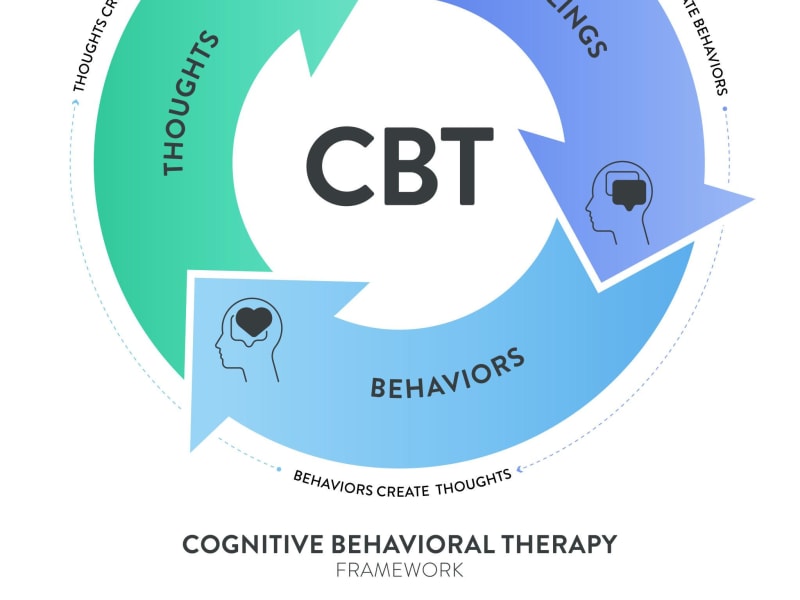
Cognitive Behavioural Therapy has one of the strongest evidence bases in mental healthcare. While professional guidance is valuable, many core CBT techniques are designed to be practised independently — and their effectiveness in self-help formats is well-documented.
April 14, 2026

Explore aversion therapy, a controversial treatment method that uses unpleasant stimuli to break unwanted habits like addiction. Learn about its methods, effectiveness, and when to seek professional help.
April 1, 2026


In our fast-paced world, stress, anxiety, and emotional burdens have become common companions for many. While traditional therapies offer invaluable support, many individuals are seeking complementary approaches to enhance their well-being. One such method gaining significant attention is the Emotional Freedom Technique (EFT), often referred to as "tapping." EFT Tapping is a groundbreaking self-help tool that combines elements of ancient Chinese acupressure with modern psychology. It involves gently tapping on specific meridian points on the body while focusing on a particular emotional or physical issue. The core principle behind EFT is that negative emotions are caused by a disruption in the body's energy system. By tapping on these meridian points, individuals can rebalance their energy system, leading to profound emotional and physical relief.
Developed by Gary Craig in the 1990s, EFT is a simplified version of Thought Field Therapy (TFT), created by psychologist Dr. Roger Callahan. Craig streamlined TFT into a more accessible and versatile technique, making it possible for individuals to learn and apply it themselves. Since its inception, EFT has grown into a globally recognized modality, utilized by therapists, coaches, and individuals alike to address a wide range of issues, from chronic pain and anxiety to phobias and performance issues. This comprehensive guide will delve into the mechanisms of EFT, explore its potential applications, provide a step-by-step guide to practicing it, and discuss when professional guidance might be beneficial.
While EFT's roots are in traditional Chinese medicine's concept of energy meridians, modern research is beginning to shed light on the neurobiological mechanisms that may explain its effectiveness. The theory posits that tapping on specific acupressure points sends signals to the amygdala, the brain's alarm center responsible for processing emotions like fear and stress. When we experience stress or trauma, the amygdala becomes overactive, triggering the body's "fight or flight" response. This can lead to a cascade of physiological changes, including increased heart rate, muscle tension, and the release of stress hormones like cortisol.
EFT tapping is believed to calm the amygdala and hippocampus (which is involved in memory and emotion), thereby reducing the stress response. Studies using fMRI scans and EEG have shown that EFT can decrease activity in these brain regions, leading to a reduction in stress markers and an increase in feelings of calm. By combining focused attention on a distressing issue with the physical stimulation of tapping, EFT helps to rewire the brain's response to negative stimuli. It essentially creates a new association, allowing the mind and body to process and release previously stuck emotional energy. This process helps to desensitize individuals to triggers, making them less reactive and more resilient.
Traditional Chinese Medicine (TCM) views the body as having a complex network of energy pathways, or meridians, through which "qi" (life energy) flows. Blockages or imbalances in this energy flow are believed to contribute to physical and emotional ailments. The tapping points used in EFT correspond to key meridian endpoints. While Western science is still exploring the concept of meridians, the practical application of stimulating these points, similar to acupuncture or acupressure, has shown therapeutic benefits for centuries. EFT adapts this ancient wisdom, suggesting that by tapping these points, we can clear emotional blockages and restore the body's natural energetic balance.
EFT Tapping has been explored as a complementary therapy for a wide array of emotional and physical conditions. It's important to note that while many individuals report significant benefits, EFT is often used in conjunction with conventional medical and psychological treatments, not as a standalone cure, especially for severe conditions.
It's crucial to approach EFT with an open mind and realistic expectations. Its effectiveness can vary from person to person, and consistent practice is often key to achieving lasting results.
The EFT tapping sequence involves stimulating nine specific meridian points on the face and upper body. These points are generally easy to locate and can be tapped gently with your fingertips. While the exact pressure isn't as critical as with acupuncture, a firm but comfortable tap is recommended. Here are the primary EFT tapping points:
It's common to tap each point approximately 5-7 times before moving to the next. You can use two or three fingertips for a broader area, or just one. The goal is gentle stimulation, not pain. The sequence typically flows from the eyebrow point down to the under-arm point, finishing often with the crown of the head.
Practicing EFT Tapping involves a simple, repeatable sequence. While it can be adapted for various issues, the core steps remain consistent. Here's a step-by-step guide to performing an EFT tapping sequence:
Before you start tapping, clearly identify the problem you want to address. Be as specific as possible. Instead of "I'm stressed," try "I'm stressed about my upcoming presentation" or "I feel anxious about my doctor's appointment tomorrow." The more specific you are, the more targeted your tapping will be.
On a scale of 0 to 10, with 10 being the highest, rate the intensity of your emotional or physical discomfort related to the issue. This helps you track your progress throughout the session.
The setup statement acknowledges the problem while simultaneously affirming self-acceptance. It typically follows this format: "Even though I have [this problem], I deeply and completely accept myself."
Repeat this setup statement three times while continuously tapping on the Karate Chop point.
Now, move through the tapping points, repeating a "reminder phrase" at each point. The reminder phrase is a short phrase that keeps your mind focused on the problem. It can be simply "this anxiety," "this headache," or "this fear."
Tap approximately 5-7 times on each of the following points, repeating your reminder phrase:
Complete one full round of tapping through these points.
After completing one full round of tapping, take a deep breath. Re-rate the intensity of your discomfort on the 0-10 scale. You'll often find that the intensity has decreased.
If the intensity is still above 0 or 1, repeat the process. You can adjust your setup statement and reminder phrase to reflect the remaining intensity (e.g., "Even though I still have some of this anxiety..."). Continue tapping rounds until you feel significant relief or the intensity reaches 0 or 1. Sometimes, as you tap, new aspects of the problem may emerge. Address these new aspects as they arise, creating new setup statements if necessary.
Important Note: It's common for emotions to shift or change during tapping. Be open to what comes up and gently guide yourself through the process. Staying hydrated is also helpful.
The consistent practice of EFT Tapping can yield a variety of benefits, impacting both emotional and physical well-being. These advantages contribute to a greater sense of calm, resilience, and overall life satisfaction.
Many people find EFT to be a gentle yet potent method for personal transformation, offering a pathway to greater emotional freedom and resilience.
While EFT Tapping is generally considered safe and has no known serious side effects, there are a few considerations and potential risks, particularly when dealing with complex or severe emotional issues.
For most individuals, practicing EFT for everyday stress and minor emotional upsets is safe and beneficial. However, for deeper, more entrenched issues, professional guidance is highly recommended.
While EFT is an excellent self-help tool, there are specific circumstances when seeking guidance from a certified EFT practitioner or a licensed mental health professional who incorporates EFT into their practice is highly advisable. Professional support can provide a safe and structured environment for deeper healing and ensure the technique is applied effectively.
A qualified EFT practitioner will have extensive training, adhere to ethical guidelines, and understand when to refer clients to other specialists if their needs fall outside the scope of EFT practice.
A1: While more large-scale, rigorous research is still needed, a growing body of scientific evidence, including randomized controlled trials and meta-analyses, supports the efficacy of EFT for various conditions like anxiety, depression, PTSD, and pain. Organizations like the National Institute for Health and Care Excellence (NICE) in the UK have acknowledged its potential, and it's recognized as an evidence-based practice for veterans with PTSD in the US.
A2: The speed of results can vary greatly. For simple issues like a headache or mild stress, relief can be almost immediate. For more complex or deeply ingrained issues, it may take multiple sessions and consistent practice over time to achieve significant and lasting change. Some people experience profound shifts in a single session, while others see gradual improvements.
A3: Yes, for common stressors and everyday emotional upsets, EFT is designed as a self-help tool that can be learned and applied independently. There are numerous free resources, books, and online tutorials available. However, for complex trauma or severe mental health conditions, working with a certified practitioner is strongly recommended.
A4: EFT is generally considered very safe with no known negative physical side effects. The main "side effect" might be an intense emotional release as underlying issues surface. This is a normal part of the healing process, but it can be overwhelming for some, which is why professional guidance is advised for sensitive topics.
A5: The frequency depends on your needs. For acute stress or sudden emotional upsets, you can tap whenever you feel the need. For chronic issues, daily practice, even for a few minutes, can be highly beneficial. Consistency is often more important than the duration of each session.
A6: While many people experience positive results with EFT, it may not work for everyone, or the degree of effectiveness may vary. Factors like an individual's openness to the process, the complexity of the issue, and consistency of practice can influence outcomes. Some individuals may find other therapeutic approaches more suitable for their specific needs.
EFT Tapping stands as a testament to the powerful connection between our mind and body. By gently stimulating meridian points while focusing on emotional distress, this technique offers a unique and accessible pathway to healing and emotional freedom. Whether you're grappling with daily stress, battling a specific phobia, or seeking a complementary tool to manage chronic pain, EFT provides a practical method to rebalance your energy system and calm your nervous system.
Its simplicity and self-applicability make it an empowering tool for anyone looking to take a proactive role in their mental and emotional well-being. While it offers remarkable potential for self-help, remember that for deeper, more complex emotional wounds or severe mental health conditions, the guidance of a certified EFT practitioner or a licensed mental health professional is invaluable. Embrace the journey of tapping, and discover the profound sense of peace and resilience that awaits you.
Discover how play therapy helps children (and adults) express emotions, process trauma, and build coping skills through the natural language of play. Learn about its benefits and when to consider it.
April 1, 2026