

Free Helpline
We are here to assist you.
Health Advisor
+91-8877772277Available 7 days a week
10:00 AM – 6:00 PM to support you with urgent concerns and guide you toward the right care.

We are here to assist you.
Health Advisor
+91-8877772277Available 7 days a week
10:00 AM – 6:00 PM to support you with urgent concerns and guide you toward the right care.
Learn effective strategies to manage and get rid of OCD intrusive thoughts. This guide covers symptoms, causes, diagnosis, and evidence-based treatments like ERP therapy, medication, and coping mechanisms to help you regain control and find lasting relief from obsessive-compulsive disorder.

Obsessive-Compulsive Disorder (OCD) is a mental health condition characterized by a cycle of obsessions and compulsions. At the heart of many OCD experiences are intrusive thoughts – unwanted, disturbing ideas, images, or urges that repeatedly enter a person's mind. These thoughts can be incredibly distressing, often revolving around fears of harm, contamination, sexuality, religion, or perfectionism. While most people experience occasional intrusive thoughts, for individuals with OCD, these thoughts are persistent, highly disturbing, and trigger intense anxiety, leading to compulsive behaviors aimed at neutralizing or suppressing them. The good news is that getting rid of OCD intrusive thoughts, or more accurately, learning to manage and neutralize their power, is absolutely possible with the right strategies and professional support. This comprehensive guide will delve into understanding these thoughts, their impact, and evidence-based methods to break free from their cycle.
Intrusive thoughts are involuntary, unwanted thoughts, images, or urges that can be disturbing and difficult to dismiss. They are a common human experience; studies suggest that up to 90% of the population experiences them occasionally. However, in the context of OCD, these thoughts differ significantly in their frequency, intensity, and the distress they cause. For someone with OCD, intrusive thoughts are:
Common themes for OCD intrusive thoughts include:
While intrusive thoughts are the core obsession, they manifest through a range of symptoms:
The exact cause of OCD is not fully understood, but research suggests a combination of genetic, neurobiological, and environmental factors:
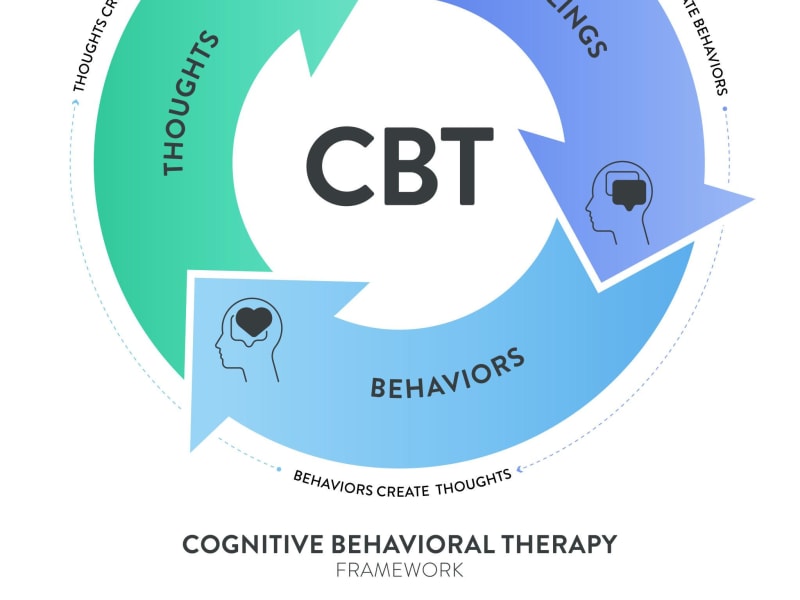
Cognitive Behavioural Therapy has one of the strongest evidence bases in mental healthcare. While professional guidance is valuable, many core CBT techniques are designed to be practised independently — and their effectiveness in self-help formats is well-documented.
April 14, 2026

Explore aversion therapy, a controversial treatment method that uses unpleasant stimuli to break unwanted habits like addiction. Learn about its methods, effectiveness, and when to seek professional help.
April 1, 2026

Discover how play therapy helps children (and adults) express emotions, process trauma, and build coping skills through the natural language of play. Learn about its benefits and when to consider it.
April 1, 2026