

Free Helpline
We are here to assist you.
Health Advisor
+91-8877772277Available 7 days a week
10:00 AM – 6:00 PM to support you with urgent concerns and guide you toward the right care.

We are here to assist you.
Health Advisor
+91-8877772277Available 7 days a week
10:00 AM – 6:00 PM to support you with urgent concerns and guide you toward the right care.
Explore the 'dead bedroom' phenomenon: understand its causes, self-assess your situation, and discover practical strategies to revive intimacy and strengthen your relationship.

In the journey of a long-term relationship, it’s common for couples to experience shifts in their intimacy. One term that sometimes surfaces in these discussions is the ‘dead bedroom.’ But what exactly does this mean? Is it a clinical condition, or something more personal to each couple? This guide aims to demystify the concept, explore its common causes, and offer practical steps towards rekindling intimacy. What is a ‘Dead Bedroom’? The term ‘dead bedroom’ refers to a situation where a couple’s sexual activity significantly decreases or ceases altogether, often leading to feelings of disconnection and dissatisfaction. It's important to understand that ‘dead bedroom’ is not a formal medical diagnosis. There are no strict rules or specific timelines that define it. What one couple considers a ‘dead bedroom’ might be perfectly acceptable for another. The key lies in the couple’s agreed-upon ‘sexual norm’ and the deviation from it. For instance, a couple who used to enjoy a vibrant sex life several times a week might feel they’re in a dead bedroom if intimacy drops to once a month. Conversely, a couple who has always had a less frequent sex life, perhaps only on special occasions, might not feel their relationship is lacking intimacy even with minimal sexual activity. The shared understanding and mutual satisfaction within the relationship are paramount. The term originally gained traction, particularly in discussions about same-sex relationships, sometimes referred to as ‘lesbian bed death.’ However, it has evolved to be gender- and sexuality-inclusive, recognizing that any couple can experience a decline in sexual frequency. The core issue isn't the frequency itself, but the disconnect and unhappiness that can arise when sexual intimacy doesn't meet the couple’s shared expectations or desires. Key Indicators of a Potential Dead Bedroom: A noticeable drop in sexual activity compared to your established ‘norm’ as a couple. One or both partners consciously avoiding sexual or physical intimacy. A perceived decrease in the pleasure or satisfaction derived from sexual encounters. One or both partners expressing significant dissatisfaction with the current frequency of sex. Common Causes of Declining Intimacy The reasons behind a decline in sexual intimacy are diverse and often interconnected. They can stem from physical, emotional, mental, or lifestyle factors affecting one or both partners. Understanding these potential causes is the first step towards addressing them. 1. Stress and Life Pressures In today’s fast-paced world, stress is a pervasive factor affecting many aspects of life, including intimacy. Job pressures, financial worries, family responsibilities, and even general anxiety can significantly impact libido. High levels of stress hormones, like cortisol, can directly interfere with the body’s natural arousal response and desire for sex. When survival and daily pressures dominate, sexual intimacy can easily fall to the bottom of the priority list. Real-life scenario: Priya and Rohan, both working professionals with a young child, found their evenings were consumed by work deadlines and household chores. The exhaustion and stress left them with little energy or desire for intimacy, and they often fell asleep scrolling through their phones, feeling more like roommates than partners. 2. Physical and Health Changes Our bodies change over time, and these changes can influence our sex lives. For individuals with vulvas, hormonal shifts during menopause can lead to decreased libido and vaginal dryness, making intercourse uncomfortable. For individuals with penises, conditions like erectile dysfunction, often more common with age, can impact sexual confidence and frequency. Chronic illnesses, injuries, hormonal imbalances, and significant weight fluctuations can also play a role. However, these physical issues are often catalysts, not direct causes, of a dead bedroom. The communication and adaptation between partners are key to navigating these changes. 3. Parenthood and Family Responsibilities Having children is a joyous experience for many, but it undeniably transforms a couple’s dynamic. The immense focus and energy directed towards childcare can often leave couples with little time, energy, or emotional bandwidth for their own intimacy. The relationship can take a backseat as parenting becomes the primary focus. Without conscious effort to nurture the couple’s bond, sexual intimacy can dwindle. 4. Relationship Issues and Communication Breakdowns Underlying conflicts, unresolved arguments, or a general lack of emotional connection can severely impact sexual intimacy. Resentment, lack of trust, or feeling unappreciated can create emotional distance that makes physical intimacy difficult. Poor communication about desires, needs, or concerns related to sex can lead to misunderstandings and unmet expectations. 5. Mental Health and Emotional Well-being Mental health conditions such as depression, anxiety, and low self-esteem can profoundly affect libido and the desire for sexual intimacy. Feeling emotionally distant, overwhelmed, or disconnected from oneself can translate into a lack of desire for physical closeness with a partner. 6. Boredom or Routine Over time, even the most passionate relationships can fall into a routine. If sexual encounters become predictable or monotonous, partners might lose interest or feel less excited about intimacy. A lack of novelty or exploration can contribute to a decline in sexual frequency and satisfaction. Diagnosing a ‘Dead Bedroom’ (Self-Assessment) Since it’s not a clinical diagnosis, assessing a ‘dead bedroom’ is a personal journey for each couple. It involves honest introspection and open communication. Ask yourselves: Are we having sex less often than we both feel comfortable with? Do we feel a lack of connection or desire for each other physically? Are we avoiding intimacy, or does it feel like a chore rather than a shared pleasure? Are we satisfied with our current level of sexual intimacy? If the answers to these questions reveal a significant gap between your current reality and your desires, it might be time to address the situation. Strategies to Revive Intimacy and Fix a ‘Dead Bedroom’ Rekindling intimacy requires effort, patience, and a willingness from both partners to work together. Here are some practical strategies: 1. Open and Honest Communication This is the cornerstone of addressing any relationship issue, especially intimacy. Create a safe space to talk about your feelings, desires, and concerns without judgment. Discuss what you miss, what you’d like more of, and any barriers you’re facing. Be specific about your needs and actively listen to your partner’s perspective. 2. Prioritize Quality Time Together In busy lives, making time for each other is essential. Schedule regular date nights, even if they're just at home after the kids are asleep. Engage in activities you both enjoy. Reconnecting emotionally outside the bedroom can pave the way for renewed physical intimacy. 3. Reintroduce Physical Affection Intimacy isn't just about intercourse. Increase non-sexual physical touch throughout the day – hugs, holding hands, cuddling on the sofa, or giving each other massages. These small gestures can rebuild a sense of closeness and connection. Practical tip: Start with a 10-minute daily massage. It’s a simple, achievable way to foster touch and relaxation without the pressure of it leading to sex. 4. Explore and Experiment If routine has set in, try introducing novelty into your sexual life. This could involve trying new positions, exploring fantasies (if you're both comfortable), using adult toys, or simply changing the time or location for intimacy. The goal is to make sex exciting and engaging again. 5. Address Underlying Issues If stress, health problems, or relationship conflicts are contributing factors, address them directly. This might involve stress management techniques, seeking medical advice for physical concerns, or working through relationship issues with a therapist. 6. Seek Professional Help Don’t hesitate to seek professional guidance. A couples therapist or a sex therapist can provide a neutral space and expert strategies to help you navigate these challenges. They can help improve communication, address underlying psychological issues, and guide you toward rebuilding a fulfilling intimate life. When to Consult a Doctor or Therapist It’s advisable to consult a doctor if you suspect underlying physical or hormonal issues are impacting your libido or sexual function. Conditions like erectile dysfunction, hormonal imbalances, or pain during intercourse require medical attention. A therapist, particularly a sex therapist or couples counselor, is invaluable if: Communication about sex is difficult or fraught with conflict. You suspect emotional or psychological factors (like depression, anxiety, past trauma) are playing a significant role. You’ve tried addressing the issue yourselves but are not seeing improvement. You feel a significant emotional disconnect that is impacting intimacy. Frequently Asked Questions (FAQs) Q1: Is it possible for a couple to have a happy relationship with very little sex? Yes, absolutely. Happiness in a relationship is multifaceted. If both partners are content with their level of intimacy, communicate well, and feel emotionally connected, a low sexual frequency doesn’t necessarily equate to an unhappy relationship. The key is mutual satisfaction and understanding. Q2: Can stress really kill your sex drive? Yes, stress can significantly impact sex drive. Chronic stress elevates cortisol levels, which can suppress libido and interfere with the body’s ability to become aroused. When you’re constantly worried or overwhelmed, sex often becomes a low priority. Q3: My partner has a physical issue affecting our sex life. What should we do? Encourage your partner to see a doctor to diagnose and treat the underlying condition. Simultaneously, maintain open
In summary, timely diagnosis, evidence-based treatment, and prevention-focused care improve long-term health outcomes.
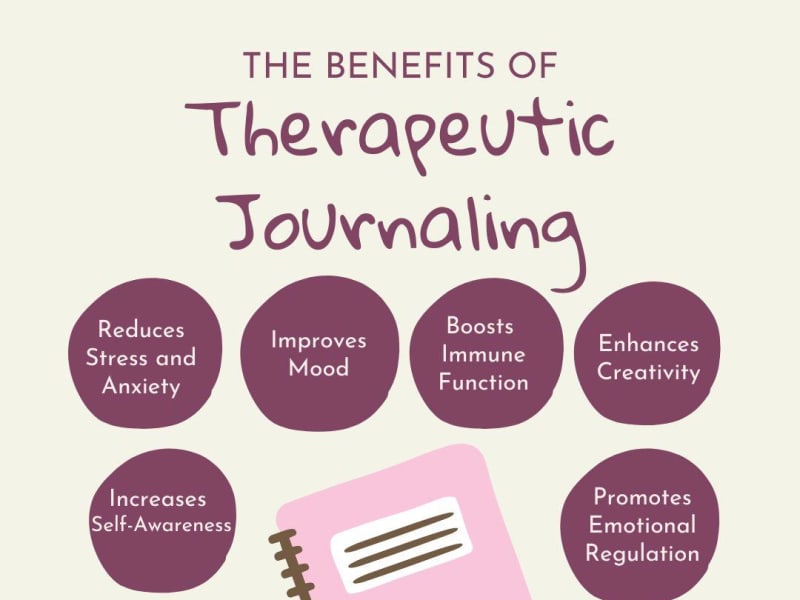
Journaling is more than a wellness trend — it's a scientifically validated tool for emotional processing, stress reduction, and psychological clarity. The evidence base, built over decades, reveals why putting pen to paper has such measurable effects on mental health
April 14, 2026

Learn when and how to take a mental health day to recharge, prevent burnout, and prioritize your overall well-being. Practical tips for Indian readers.
April 1, 2026

Feeling stuck and unmotivated due to mental health challenges? Discover practical, actionable tips to break through overwhelm and get things done, even on your toughest days.
April 1, 2026