

Free Helpline
We are here to assist you.
Health Advisor
+91-8877772277Available 7 days a week
10:00 AM – 6:00 PM to support you with urgent concerns and guide you toward the right care.

We are here to assist you.
Health Advisor
+91-8877772277Available 7 days a week
10:00 AM – 6:00 PM to support you with urgent concerns and guide you toward the right care.
Explore the nuances of social bullying, its various forms, the psychological impact on victims and perpetrators, and effective strategies for prevention and intervention.

What is Social Bullying? Social bullying, also known as relational bullying or aggression, is a form of bullying used to intentionally damage someone’s social reputation or relationships with others. Unlike physical bullying, which involves direct harm, social bullying often uses indirect methods to hurt or exclude individuals. This can happen in various settings, including schools, workplaces, and even within families and friend groups. Social bullying can affect people of all ages, from children to adults. Forms of Social Bullying Social bullying can manifest in several ways, both in person and online. Some common examples include: Exclusion: Intentionally leaving someone out of group activities, conversations, or social events. Rumour Spreading: Spreading false or damaging information about someone to tarnish their reputation. Humiliating Pranks: Playing jokes or pranks that are designed to embarrass or humiliate the target in front of others. Public Shaming: Making fun of someone, calling them names, or insulting them openly, especially in front of peers. Social Media Harassment: Posting embarrassing pictures, spreading rumours, or sending insulting messages on social media platforms. This is often referred to as cyberbullying when it occurs online. Ostracism: Encouraging others to ignore or shun the target, making them feel isolated and alone. Gossip: Spreading private or sensitive information about someone to damage their social standing. Causes and Risk Factors It’s complex to pinpoint exact reasons why some individuals engage in bullying behaviour while others become targets. However, research suggests multiple factors can contribute: Factors Increasing the Risk of Becoming a Bully: Childhood Adversity: Experiencing difficult or traumatic events during childhood. Personality Traits: Certain traits like high competitiveness or a need for control. Social Learning: Witnessing or experiencing bullying behaviour in their own environment. Risk-Taking Behaviours: Engaging in behaviours such as excessive gaming or other risk-taking activities, as suggested by some studies. Factors Increasing Vulnerability to Being Bullied: Family Environment: Growing up in a dysfunctional family setting. Minority Status: Belonging to a racial, ethnic, gender, or sexual minority group. Perceived Differences: Being seen as different from peers in terms of appearance, interests, or abilities. Mental Health Conditions: Pre-existing mental health challenges can sometimes make individuals more vulnerable. Impact of Social Bullying The effects of social bullying can be profound and long-lasting, impacting both the victim and, in some cases, the perpetrator. The damage is often to a person's self-esteem, social connections, and overall mental well-being. Effects on the Victim: Mental Health Issues: Increased risk of anxiety, depression, low self-esteem, and feelings of worthlessness. Social Isolation: Difficulty forming and maintaining relationships, leading to loneliness. Academic or Work Performance Decline: Distraction, stress, and fear can negatively affect concentration and productivity. Physical Symptoms: Stress-related symptoms like headaches, stomach aches, and sleep disturbances. Suicidal Thoughts and Behaviours: In severe cases, bullying has been linked to increased suicidal ideation and attempts, particularly among adolescents. Effects on the Bully: Continued Aggressive Behaviour: A tendency to continue aggressive or antisocial behaviours into adulthood. Relationship Problems: Difficulty maintaining healthy relationships due to their aggressive tendencies. Legal Issues: In some cases, bullying behaviours can lead to legal consequences. Diagnosis and Recognition Recognizing social bullying can be challenging because it often involves subtle or indirect actions. However, observing changes in behaviour or emotional state can be indicators: Changes in Mood: Increased irritability, sadness, or withdrawal. Avoidance: Avoiding social situations, school, or work. Loss of Interest: Disinterest in activities previously enjoyed. Physical Complaints: Frequent, unexplained physical ailments. Decreased Self-Esteem: Expressing feelings of worthlessness or self-blame. If you suspect someone is being socially bullied, encourage them to talk about their experiences. Open communication is key to understanding the situation. Treatment and Coping Strategies Addressing social bullying requires a multi-faceted approach involving support for the victim, intervention with the bully, and fostering a more positive social environment. For the Victim: Seek Support: Talk to trusted friends, family members, teachers, or a mental health professional. Build Resilience: Focus on developing self-esteem and coping mechanisms. Assertiveness Training: Learn to respond to bullying in a confident and assertive manner. Document Incidents: Keep a record of bullying incidents, including dates, times, and what happened. Professional Help: Therapy can be very effective in processing the emotional impact of bullying. For the Bully: Understanding Impact: Help them understand the harm their actions cause. Developing Empathy: Interventions aimed at building empathy and social skills. Consequences: Clear and consistent consequences for bullying behaviour. Creating a Positive Environment: Promote Kindness: Encourage empathy, respect, and inclusivity in all social settings. Education: Educate individuals about the nature and impact of social bullying. Clear Policies: Implement and enforce anti-bullying policies in schools and workplaces. Prevention Preventing social bullying involves creating a culture of respect and empathy: Early Intervention: Address aggressive behaviours early on. Promote Positive Social Skills: Teach children and adults how to interact positively and respectfully. Open Dialogue: Encourage open conversations about social dynamics and peer relationships. Role Modelling: Adults should model respectful and inclusive behaviour. When to Consult a Doctor or Mental Health Professional It is crucial to seek professional help if social bullying is significantly impacting an individual's mental health or daily functioning. Consult a doctor or mental health professional if you or someone you know experiences: Persistent feelings of depression, anxiety, or hopelessness. Suicidal thoughts or self-harm behaviours. Significant changes in eating or sleeping patterns. Withdrawal from social activities and relationships. Difficulty functioning at school or work. Unexplained physical symptoms that persist. Early intervention and professional support can make a significant difference in overcoming the
In summary, timely diagnosis, evidence-based treatment, and prevention-focused care improve long-term health outcomes.
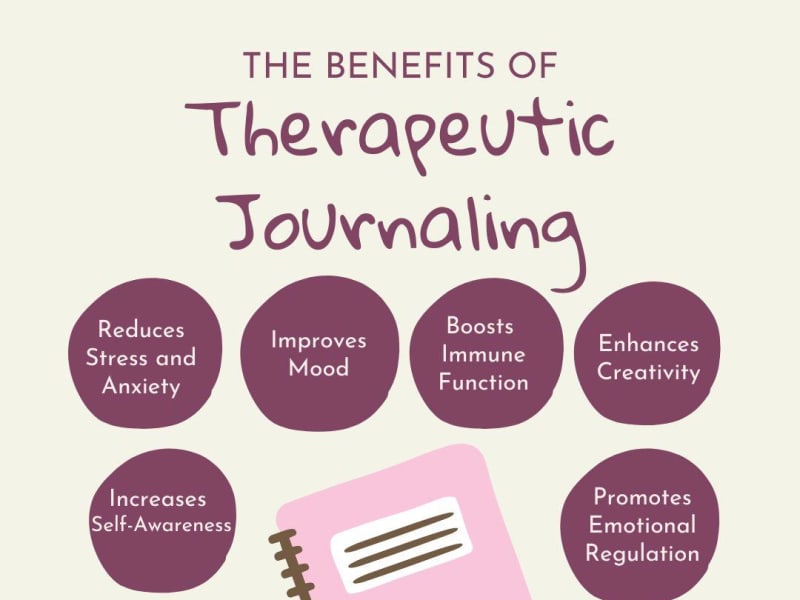
Journaling is more than a wellness trend — it's a scientifically validated tool for emotional processing, stress reduction, and psychological clarity. The evidence base, built over decades, reveals why putting pen to paper has such measurable effects on mental health
April 14, 2026

Learn when and how to take a mental health day to recharge, prevent burnout, and prioritize your overall well-being. Practical tips for Indian readers.
April 1, 2026

Feeling stuck and unmotivated due to mental health challenges? Discover practical, actionable tips to break through overwhelm and get things done, even on your toughest days.
April 1, 2026