

Free Helpline
We are here to assist you.
Health Advisor
+91-8877772277Available 7 days a week
10:00 AM – 6:00 PM to support you with urgent concerns and guide you toward the right care.

We are here to assist you.
Health Advisor
+91-8877772277Available 7 days a week
10:00 AM – 6:00 PM to support you with urgent concerns and guide you toward the right care.
Explore the meaning of sex positivity, its core principles like consent and pleasure, and how to cultivate a healthier, shame-free attitude towards sexuality. Learn to challenge sex-negative beliefs and embrace your own sexual well-being.

In today's world, conversations about sex are becoming more open, yet many of us still carry deep-seated feelings of shame or judgment around sexuality. The term sex positivity is gaining traction, but what does it truly mean? It's more than just advocating for sexual freedom; it's a fundamental shift in how we view and experience sex and our own bodies. This approach aims to replace societal conditioning of shame and fear with pleasure, freedom, and acceptance.
The concept of sex positivity isn't entirely new. Psychoanalyst Wilhelm Reich is often credited with coining the term back in the 1920s. He proposed that sex is fundamentally a healthy and good aspect of human life, a radical idea for his time. While his ideas didn't gain widespread acceptance then, the concept resurfaced and gained momentum during the sexual revolution in the 1960s. Today, with the rise of social media and increased awareness around sexual health and rights, sex positivity is experiencing a significant resurgence.
At its core, sex positivity asserts that sex can be a positive and enriching part of a person's life. It champions the idea that individuals should have the space to explore, learn about, and express their sexuality and gender identity without facing judgment or shame. This doesn't mean endorsing risky behaviour; rather, it emphasizes a respectful and non-judgmental attitude towards diverse sexual and gender expressions, provided that consent is always present.
Key pillars of sex positivity include:
To truly grasp sex positivity, it's helpful to understand its opposite: sex negativity. Sex negativity is deeply ingrained in many societal structures and norms. It's the underlying current of fear, oppression, and stigma that often surrounds discussions about sex. Examples abound in daily life:
Sex negativity often assumes that human sexuality is inherently sinful, dangerous, or something to be controlled and suppressed. This pervasive negativity can lead to feelings of guilt, anxiety, and a lack of self-acceptance regarding one's own sexuality.
Adopting a sex-positive outlook can have profound benefits for overall health and well-being. By dismantling shame and judgment, sex positivity allows individuals to:
A common scenario might involve a young couple, Priya and Rohan, who are hesitant to discuss their sexual needs and preferences due to past conditioning. They worry about judgment or disappointing each other. By learning about sex positivity, they understand the importance of open communication and consent. They begin to have honest conversations, leading to a more fulfilling and mutually satisfying intimate life, free from the unspoken anxieties they once harbored.
Becoming sex-positive is an ongoing journey, not a destination. It requires conscious effort and a willingness to unlearn harmful societal messages. Here are practical steps you can take:
Seek out reliable sources of information about sexual health, anatomy, consent, and diverse sexualities. This includes reading books, reputable websites, and attending workshops if available.
Reflect on the messages you received about sex growing up. Identify any internalized shame or judgment and challenge these beliefs. Ask yourself: Where did these ideas come from? Are they serving me?
Strive to approach discussions about sex and sexuality with an open mind. Avoid judging others' choices or expressions of sexuality, as long as they are consensual and legal.
Make consent a cornerstone of all sexual interactions. Learn how to communicate your desires and boundaries clearly and respectfully, and actively listen to your partner's needs.
Acknowledge that sexual pleasure is a natural and healthy part of life. Give yourself permission to explore and enjoy your own sexuality.
Engage with and support communities and resources that promote sex positivity, inclusivity, and accurate sexual health information. Resources like @sexpositive_families, founded by sexuality educator Melissa Pintor Carnagey, offer valuable guidance.
Absolutely not. You do not need to be sexually active to embrace sex positivity. The core principle is believing in and advocating for the right of others to explore their sexuality freely and consensually. It's about fostering an environment where everyone feels safe, respected, and empowered in their sexual lives, regardless of their personal choices or activities.
While cultivating a sex-positive outlook is largely a personal journey, sometimes professional help can be beneficial. If you experience significant anxiety, guilt, or shame related to your sexuality, or if you're struggling with communication in intimate relationships, consider consulting:
No. Sex positivity is about promoting healthy attitudes, consent, and respect around sexuality. It doesn't advocate for any specific number of partners or types of sexual activity, but rather for the freedom to explore and express sexuality without shame, provided consent is central.
Yes. Asexuality is a valid sexual orientation. Someone who is asexual can be sex-positive by supporting and respecting the sexual choices and experiences of others, and by advocating for a shame-free approach to sexuality for everyone.
Consent is a fundamental pillar of sex positivity. Sex positivity insists that all sexual encounters must be consensual, enthusiastic, and freely given. It actively works against the historical normalization of non-consensual acts or the pressure to engage in sex.
Common sex-negative messages include beliefs that sex is dirty or sinful, that women should be modest and not express sexual desire, that certain sexual acts are wrong or unnatural, or that virginity is paramount. These messages often stem from cultural, religious, or societal conditioning.
Start by being mindful of the language you use around sex and sexuality. Challenge any negative thoughts or judgments you have about yourself or others. Seek out accurate information and engage in respectful conversations about sexual health and pleasure.
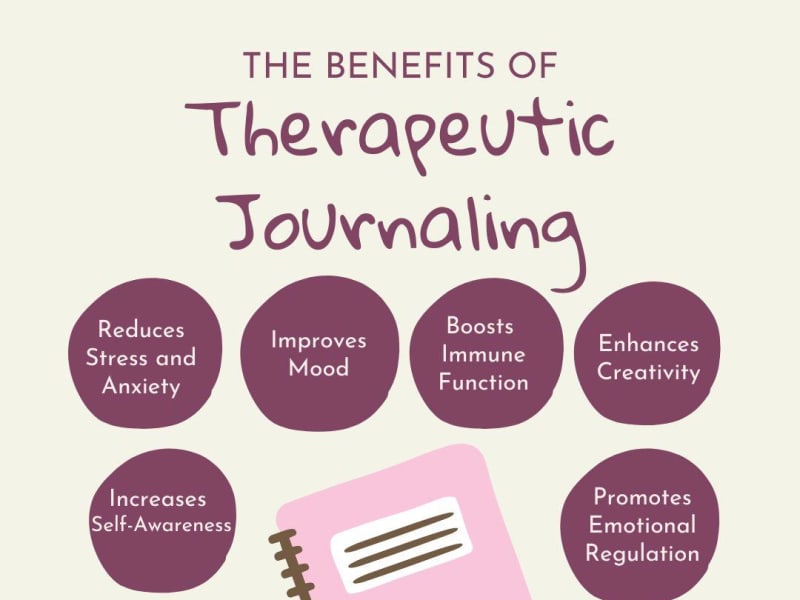
Journaling is more than a wellness trend — it's a scientifically validated tool for emotional processing, stress reduction, and psychological clarity. The evidence base, built over decades, reveals why putting pen to paper has such measurable effects on mental health
April 14, 2026

Learn when and how to take a mental health day to recharge, prevent burnout, and prioritize your overall well-being. Practical tips for Indian readers.
April 1, 2026

Feeling stuck and unmotivated due to mental health challenges? Discover practical, actionable tips to break through overwhelm and get things done, even on your toughest days.
April 1, 2026