

Free Helpline
We are here to assist you.
Health Advisor
+91-8877772277Available 7 days a week
10:00 AM – 6:00 PM to support you with urgent concerns and guide you toward the right care.

We are here to assist you.
Health Advisor
+91-8877772277Available 7 days a week
10:00 AM – 6:00 PM to support you with urgent concerns and guide you toward the right care.
Explore the nature of emotional attachment, how it differs from love, its various types (secure, anxious, avoidant), and its impact on relationships and well-being. Learn to nurture healthy connections and identify when attachment becomes problematic.

Emotional attachment is a fundamental aspect of the human experience, weaving the fabric of our relationships and providing a sense of security and belonging. It’s that deep sense of connection and affection that helps relationships endure and flourish over time. While often intertwined with love, emotional attachment is a distinct concept, playing a vital role in how we bond with others, from our earliest caregivers to our closest friends and romantic partners. This article explores the nuances of emotional attachment, its different forms, and how it impacts our lives.
At its core, emotional attachment refers to the feelings of closeness, warmth, and affection that bind us to others. It’s the invisible thread that strengthens meaningful connections, making relationships feel safe, comfortable, and deeply satisfying. Think about the comfort you feel when you’re with someone you trust implicitly, or the sense of ease that comes from shared experiences and mutual understanding. These are hallmarks of emotional attachment. This deep connection isn't limited to romantic partners; it extends to family, friends, and even pets, contributing to our overall sense of well-being.
The earliest bonds we form, particularly with our parents or primary caregivers, lay the groundwork for future relationships. These early attachments shape our expectations and behaviours in adulthood, influencing how we approach intimacy, trust, and commitment. A secure foundation in childhood often translates to healthier, more stable relationships later in life.
Our bodies play a significant role in fostering emotional bonds. Hormones like oxytocin, often dubbed the “love hormone,” are central to this process. Oxytocin is released during physical touch, social bonding, and intimate moments, promoting feelings of trust, security, and connection. It helps solidify the initial stages of a relationship, creating a sense of safety and comfort.
While oxytocin is key to bonding, other hormones are involved in the initial rush of romantic love, contributing to feelings of euphoria, desire, and excitement. However, as these intense emotions naturally mellow over time, emotional attachment remains, providing a stable anchor for lasting love and companionship. It’s this enduring connection, built on trust and mutual reliance, that sustains relationships through life’s ups and downs.
While often used interchangeably, love and emotional attachment are not the same. Love is a complex emotion that often transcends specific needs or benefits; we love someone for who they are. Romantic relationships, for instance, are built on a foundation of mutual care, respect, and support, involving a give-and-take dynamic.
Attachment, on the other hand, can develop when certain needs – like intimacy, companionship, validation, or even practical support – are met. When someone consistently fulfills these needs, a strong attachment can form. For example, a person who has always felt lonely might develop a strong attachment to a friend who offers consistent companionship and makes them feel seen and heard. This doesn’t diminish the value of the connection but highlights a key difference in their origins.
Understanding the different styles of emotional attachment can offer valuable insights into our relationship patterns. These styles, often rooted in early life experiences, can influence how we interact with others in adulthood.
This is considered the healthiest form of attachment. Individuals with a secure attachment style feel comfortable with intimacy and interdependence. They trust their partners, communicate their needs effectively, and are generally confident in their relationships. They can rely on others and allow others to rely on them, fostering strong, stable bonds.
These styles arise when early bonding experiences were inconsistent or unmet. They can manifest in several ways:
Absolutely! Emotional attachment isn't exclusive to people. We can form deep bonds with objects, places, and even abstract concepts. Think about a cherished childhood toy, a favourite armchair that holds memories, or a hometown that evokes a sense of belonging. These attachments provide comfort, security, and a connection to our past or identity.
For instance, someone might feel a strong attachment to their grandmother’s old saree, not just for its material value, but for the memories and feelings it represents. This connection can bring solace and a sense of continuity. Similarly, a favourite park bench might be a place of reflection and peace, fostering a gentle attachment.
While a certain level of attachment is healthy and necessary for human connection, it can become problematic when it’s excessive or unhealthy. This is often referred to as being “too attached,” which can manifest as:
Consider a scenario where Priya constantly checks her phone, anxiously awaiting a reply from her boyfriend, and becomes visibly upset if he doesn’t respond within minutes. She might also feel immense guilt if she spends time with her friends without him, fearing he might feel neglected or worse, that he might drift away. This level of anxiety and dependence goes beyond healthy attachment.
Building and maintaining healthy emotional attachments involves conscious effort and self-awareness:
If you find that your attachments are causing significant distress, interfering with your daily life, or leading to unhealthy relationship dynamics like codependency, possessiveness, or extreme anxiety, it’s time to seek professional help. A mental health professional can provide support and tools to navigate these challenges, helping you build more secure and fulfilling connections.
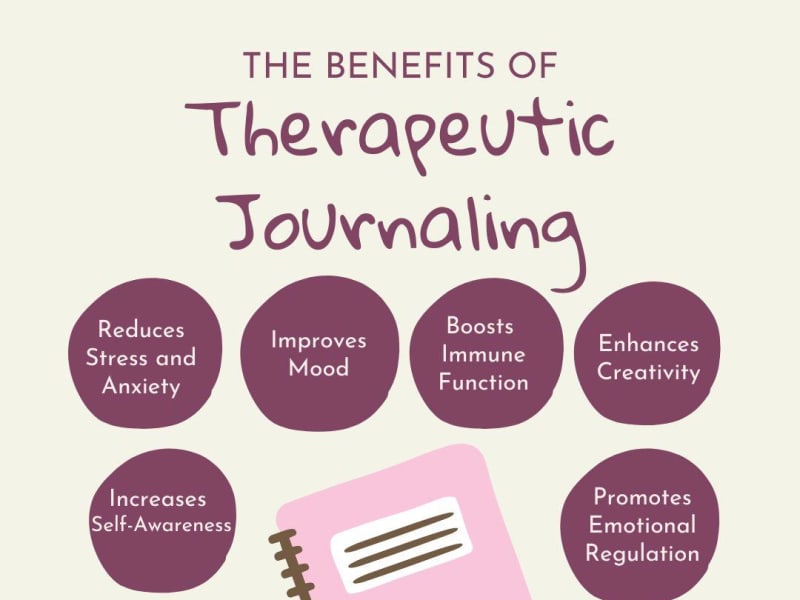
Journaling is more than a wellness trend — it's a scientifically validated tool for emotional processing, stress reduction, and psychological clarity. The evidence base, built over decades, reveals why putting pen to paper has such measurable effects on mental health
April 14, 2026

Learn when and how to take a mental health day to recharge, prevent burnout, and prioritize your overall well-being. Practical tips for Indian readers.
April 1, 2026

Feeling stuck and unmotivated due to mental health challenges? Discover practical, actionable tips to break through overwhelm and get things done, even on your toughest days.
April 1, 2026