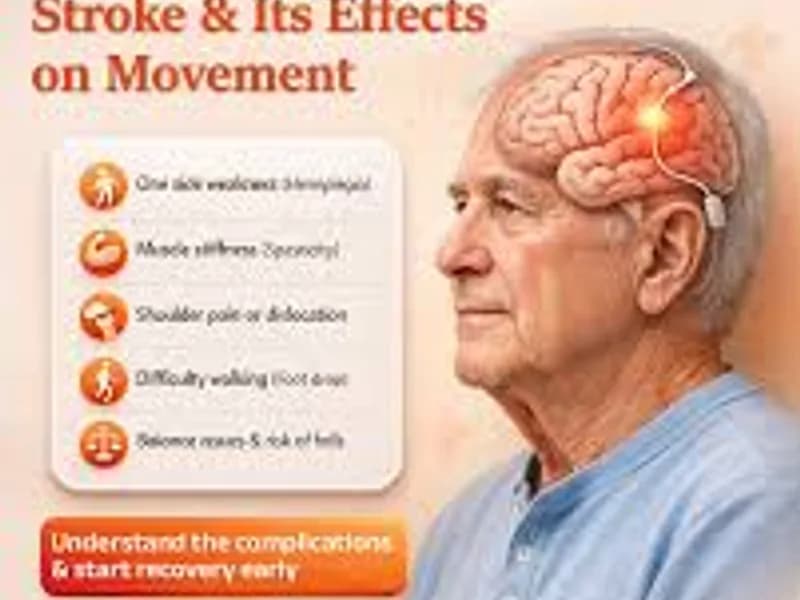
Understanding Stroke Rehabilitation in Munger
A stroke can be a life-altering event, affecting not just the individual but their entire family. In Munger, like elsewhere, recovery is a journey. Stroke rehabilitation is a vital, structured process designed to help people regain lost function and adapt to any lasting effects.
The reality is, the sooner rehabilitation begins, the better the outcomes tend to be. We often see remarkable progress when care starts promptly.
This approach focuses on restoring abilities, preventing complications, and enhancing overall quality of life for those affected. It’s a coordinated effort involving a team of specialists working towards common goals.
The Crucial Role of a Multidisciplinary Team
Effective stroke rehabilitation hinges on a team of experts. In Munger, accessing such a team is key to optimal recovery. This team typically includes:
Neurologists: They manage medical aspects and oversee recovery.
Physiotherapists: They focus on restoring movement, balance, and strength.
Occupational Therapists: These specialists assist relearn daily living activities, like dressing and eating.
Speech-Language Pathologists: They address communication and swallowing difficulties.
Psychologists/Counselors: Mental health support is vital.
Nurses: Providing ongoing care and monitoring.
Worth knowing: Each member brings unique skills to aid recovery.
Key Rehabilitation Therapies Available
Several proven therapies are central to stroke recovery programs. These are tailored to each person's specific needs and challenges.
Physiotherapy: Rebuilding Movement
Physiotherapy is fundamental. It involves exercises to improve muscle strength, coordination, and mobility. Therapists use techniques like:
Range-of-motion exercises: To prevent stiffness.
Strengthening exercises: To rebuild weakened muscles.
Balance and gait training: Crucial for walking safely.
Assistive device training: Learning to use canes or walkers.
How serious is this really? Even small improvements in mobility can significantly boost independence.
Occupational Therapy: Mastering Daily Tasks
Occupational therapy (OT) empowers individuals to perform everyday activities. OT specialists might suggest adaptive equipment or modify the home environment. They aid with tasks such as:
The goal is to maximize independence in self-care and household chores.
Speech and Language Therapy: Restoring Communication
Aphasia (difficulty speaking or understanding language) and dysphagia (swallowing problems) are typical after a stroke. Speech-language pathologists (SLPs) employ targeted strategies:
Language exercises: To elevate word-finding and comprehension.
Swallowing therapy: To ensure safe eating and drinking.
Alternative communication methods: Using gestures or communication boards.
This support enables clearer communication and safer nutrition.
Patient Experiences and Support in Munger
Many individuals in Munger have navigated their stroke recovery with determination. We've heard stories of people initially struggling with basic movements, who, through consistent therapy, were able to walk short distances again.
One patient shared how occupational therapy helped them regain the ability to hold a cup of tea independently – a small victory that meant the world.
Living with the effects of a stroke is genuinely hard. The emotional toll can be significant, leading to frustration or depression. Accessing support groups or counseling can make a substantial difference. Local resources in Munger, including community centers and patient advocacy groups, can offer invaluable peer support and practical advice.
That alone changes everything.
When to Seek Professional benefit
Recognizing the signs of a stroke and seeking immediate medical attention is paramount. If you or someone you know experiences sudden numbness, confusion, trouble speaking, vision problems, or severe headache, call emergency services immediately.
Prompt treatment at a hospital like Sadar Hospital Munger or other major facilities can limit brain damage.
Following the acute phase, a neurologist or your primary care physician will guide you toward appropriate rehabilitation services. Early referral to a rehabilitation program is crucial for the best possible outcome. Many specialists in Munger are equipped to provide this care.
Enhancing Recovery: Lifestyle and Prevention
Rehabilitation doesn't stop when formal therapy ends. Long-term lifestyle adjustments are vital for continued recovery and preventing future strokes. Key strategies include:
Healthy Diet: Following guidelines similar to those for managing hypertension (high blood pressure) and diabetes, focusing on fruits, vegetables, and whole grains. Organizations like the World Health Organization (WHO) provide extensive dietary recommendations.
Regular Exercise: As advised by your physician, tailored to your abilities.
Medication Adherence: Taking prescribed medications consistently to manage blood pressure, cholesterol, and other risk factors.
Smoking Cessation: Quitting smoking dramatically reduces stroke chance.
Stress Management: Techniques like mindfulness or yoga can be beneficial.
So what does this mean for you? Proactive health management significantly boosts your chances of a stronger recovery and a healthier future.
Conclusion: Your Path Forward
Stroke rehabilitation in Munger offers a structured pathway back to independence and improved well-being. While the road can be challenging, with the right team, therapies, and personal commitment, notable progress is achievable. Remember, every step forward, no matter how small, is a victory.
Always consult a qualified physician before making medical decisions.
Frequently Asked Questions
Can I eat rice if I have diabetes and am recovering from a stroke?
Managing diabetes is crucial for stroke recovery. While rice can be part of a diabetic diet, portion control and choosing brown rice over white rice are generally recommended. Focus on a balanced meal plan advised by your doctor or a dietitian.
That alone changes everything.
How long does stroke rehabilitation typically last?
The duration varies greatly depending on the stroke's severity and the individual's progress. Rehabilitation can last weeks, months, or even years. Continuous therapy and adaptation are key throughout the recovery process.
What are the most usual challenges after a stroke?
widespread challenges include physical impairments (weakness, paralysis, balance issues), cognitive difficulties (memory, attention problems), communication disorders (aphasia), emotional changes (depression, anxiety), and fatigue. Addressing these requires a tailored, multidisciplinary approach.
Can I prevent another stroke after the first one?
Yes, you can significantly reduce the likelihood of a second stroke. This involves strict adherence to medical advice, managing underlying conditions like high blood pressure and diabetes, maintaining a healthy lifestyle (diet, exercise, no smoking), and taking prescribed medications diligently.