

Free Helpline
We are here to assist you.
Health Advisor
+91-8877772277Available 7 days a week
10:00 AM – 6:00 PM to support you with urgent concerns and guide you toward the right care.

We are here to assist you.
Health Advisor
+91-8877772277Available 7 days a week
10:00 AM – 6:00 PM to support you with urgent concerns and guide you toward the right care.
Feeling a lack of interest in sex? It's common and valid. Explore potential physical, emotional, and relationship factors, and discover practical steps for understanding and addressing low libido.

It's completely okay if you're not interested in sex. Your feelings are valid, whether this lack of interest is something new or has always been a part of your life. Many things can influence our sex drive, from our physical health to our emotional well-being and even our relationships. This article aims to explore the various reasons behind a low or absent sex drive and offer practical advice for navigating these feelings in a healthy and supportive way, especially for our readers in India.
The reasons for a lack of sexual interest are as diverse as people themselves. It's not a one-size-fits-all situation. Let's break down some common factors:
It's important to remember that you're not alone, and there are steps you can take to understand and potentially improve your situation. The key is to be patient and compassionate with yourself.
Take some time to think about your feelings. Grab a notebook or open a note on your phone and try to answer these questions:
This self-reflection can provide valuable clues about the root causes.
If you have a partner, open and honest communication is vital. Explain how you're feeling without blame. Your partner may be feeling confused or hurt, and sharing your experience can help them understand and offer support. Sometimes, just talking about it can ease pressure.
Real-life scenario: Priya noticed she hadn't felt interested in intimacy with her husband, Rohan, for months. She worried he might think she was unhappy with him. One evening, she sat down with Rohan and gently explained, "I've been feeling really disconnected from my desires lately, and I'm not sure why. It's not about you at all, but I wanted to share what I'm experiencing." Rohan, relieved it wasn't a reflection on their relationship, offered his support and suggested they focus on other forms of connection for a while.
Intimacy isn't just about sex. Strengthen your bond through:
These actions can rebuild emotional connection, which often paves the way for renewed sexual desire.
Sometimes, the goal isn't necessarily to increase libido but to make any sexual activity more pleasurable if and when it happens. Consider:
Your general health significantly impacts your sexual health:
While it's normal to experience fluctuations in sexual desire, persistent lack of interest that causes distress or impacts your relationships warrants professional attention. Don't hesitate to consult a doctor or therapist.
Your primary care physician can help rule out underlying medical conditions or medication side effects. They can:
A therapist specializing in sexual health or relationship counseling can be incredibly beneficial. They can help you:
Sometimes, a combination of medical and psychological support is the most effective approach.
Yes, it is perfectly normal. Asexuality is a sexual orientation characterized by a lack of sexual attraction to others. Your feelings and experiences are valid, regardless of whether they align with societal expectations.
Absolutely. When your body is in a high-stress state, it prioritizes survival over pleasure. Cortisol, the stress hormone, can interfere with the hormones that regulate sex drive, leading to a significantly reduced libido.
The most important step is open and empathetic communication. Try to understand their feelings without judgment. Offer support and suggest exploring non-sexual forms of intimacy. Encourage them to seek professional advice if the lack of interest is causing distress.
While there's no magic bullet, focusing on overall well-being can help. This includes managing stress, getting adequate sleep, eating a balanced diet, and regular exercise. Exploring your own sensuality through self-pleasure and fantasy can also be beneficial.
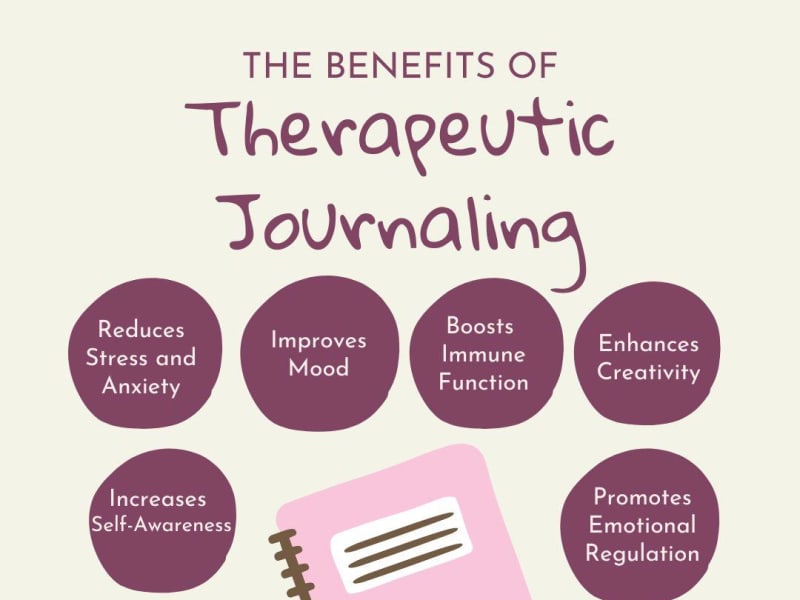
Journaling is more than a wellness trend — it's a scientifically validated tool for emotional processing, stress reduction, and psychological clarity. The evidence base, built over decades, reveals why putting pen to paper has such measurable effects on mental health
April 14, 2026

Learn when and how to take a mental health day to recharge, prevent burnout, and prioritize your overall well-being. Practical tips for Indian readers.
April 1, 2026

Feeling stuck and unmotivated due to mental health challenges? Discover practical, actionable tips to break through overwhelm and get things done, even on your toughest days.
April 1, 2026