

Free Helpline
We are here to assist you.
Health Advisor
+91-8877772277Available 7 days a week
10:00 AM – 6:00 PM to support you with urgent concerns and guide you toward the right care.

We are here to assist you.
Health Advisor
+91-8877772277Available 7 days a week
10:00 AM – 6:00 PM to support you with urgent concerns and guide you toward the right care.
Discover the calming and grounding benefits of moon gazing meditation. Learn simple techniques to find peace and connect with the universe under the night sky.

In our fast-paced world, finding moments of calm can feel like a luxury. We juggle work, family, and endless to-do lists, often leaving us feeling stressed and disconnected. But what if a simple, ancient practice could offer a pathway to peace and a deeper connection to ourselves and the universe? Moon gazing meditation, an extension of traditional contemplative practices, offers just that. While it might sound mystical, the benefits are surprisingly grounded in our well-being.
For centuries, cultures worldwide have revered the moon. Its gentle light pierces the darkness, its phases mark the passage of time, and its presence in the night sky inspires wonder. It's no surprise that this celestial body has found its way into spiritual and meditative practices. Moon gazing meditation harnesses these natural qualities, blending the calming effects of meditation with the awe-inspiring presence of the moon.
At its core, moon gazing meditation is a practice of contemplative focus on the moon. It's a variation of Trataka, a yogic technique that involves fixing one's gaze on an object to improve concentration and clarity. While Trataka often uses a candle flame, moon gazing shifts the focus to the moon itself. This practice invites you to step outside, connect with nature, and immerse yourself in the moon's tranquil light.
Unlike traditional seated meditation, moon gazing can be done standing, with your bare feet on the ground. This physical connection to the earth can enhance the feeling of being grounded and connected to the cosmos. It’s about allowing the moon's serene energy to wash over you, promoting a sense of peace and relaxation.
While the idea of moon gazing might seem poetic, research suggests there are tangible benefits to this practice:
Consider Meena, a busy professional in Mumbai. After a particularly stressful week, she felt overwhelmed. Remembering a conversation about moon gazing, she decided to try it. One evening, she stepped onto her balcony, looked up at the full moon, and began to breathe deeply. For fifteen minutes, she simply observed its glow. She found that the simple act of focusing on the moon helped quiet her racing thoughts and brought a much-needed sense of calm. By the end, she felt more centered and less burdened by her worries.
Starting a moon gazing meditation practice is simple and accessible. Here’s how you can begin:
In Ayurveda, the ancient Indian system of medicine, the concept of 'moon bathing' or 'Chandra Snana' exists. This practice involves exposing oneself to moonlight, believing it has cooling and calming properties that can balance the body's energies (doshas). While not strictly meditation, it shares the principle of drawing restorative benefits from the moon's natural radiance.
While the full moon often captures our attention, you don't need a full moon to practice. Any phase of the moon offers a unique beauty and a focal point for meditation. Even on cloudy nights, you can visualize the moon or practice the breathing and grounding techniques indoors, perhaps by a window.
Moon gazing meditation is a complementary practice and not a substitute for professional medical or mental health treatment. If you are experiencing severe anxiety, depression, or other mental health concerns, it is essential to consult a qualified healthcare professional. This practice can be a supportive tool alongside conventional therapies, but it should not replace them.
Yes, absolutely. If you don't have easy access to an outdoor space or the weather isn't cooperating, you can practice near a window. You can also visualize the moon or focus on the breathing and grounding aspects of the meditation.
No, any phase of the moon can be used. Each phase offers a different visual and energetic experience. The crescent moon, for example, can be a delicate focal point, while a gibbous moon offers a fuller presence.
Mind-wandering is a normal part of meditation. The key is not to get frustrated but to gently acknowledge the wandering thought and softly redirect your attention back to the moon and your breath. This practice of returning your focus is itself a form of mental training.
Beginners can start with 5 to 10 minutes and gradually increase the time. Experienced meditators might find 20 to 30 minutes or more beneficial. The most important factor is consistency and finding a duration that feels comfortable and sustainable for you.
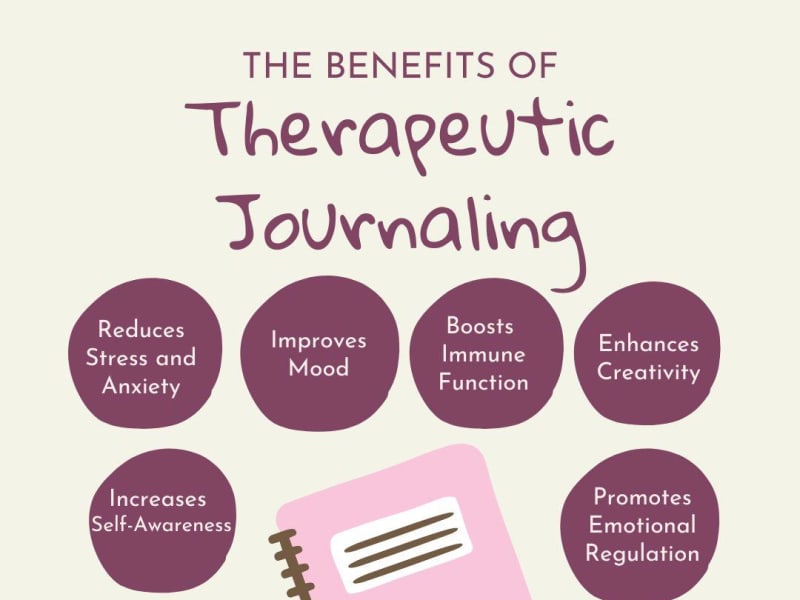
Journaling is more than a wellness trend — it's a scientifically validated tool for emotional processing, stress reduction, and psychological clarity. The evidence base, built over decades, reveals why putting pen to paper has such measurable effects on mental health
April 14, 2026

Learn when and how to take a mental health day to recharge, prevent burnout, and prioritize your overall well-being. Practical tips for Indian readers.
April 1, 2026

Feeling stuck and unmotivated due to mental health challenges? Discover practical, actionable tips to break through overwhelm and get things done, even on your toughest days.
April 1, 2026