

Free Helpline
We are here to assist you.
Health Advisor
+91-8877772277Available 7 days a week
10:00 AM – 6:00 PM to support you with urgent concerns and guide you toward the right care.

We are here to assist you.
Health Advisor
+91-8877772277Available 7 days a week
10:00 AM – 6:00 PM to support you with urgent concerns and guide you toward the right care.
Explore the fascinating interplay between genetics and environment in shaping your personality. Discover what science says about nature vs. nurture and how your traits develop.

Have you ever wondered why you are the way you are? The age-old debate of nature versus nurture has long fascinated scientists, philosophers, and everyday people alike. Are our personalities largely predetermined by our genes, or are they shaped primarily by our upbringing and life experiences? While a definitive answer remains elusive, modern science is shedding light on the complex interplay between our genetic makeup and environmental influences in shaping who we become.
Research, particularly studies involving twins and adopted individuals, suggests that a significant portion of our personality traits can be inherited. Estimates vary, but scientists generally agree that between 30% and 60% of our personality may be influenced by our genes. This means that certain predispositions towards specific ways of thinking, feeling, and behaving could be passed down from our parents.
Scientists have identified several gene variants that appear to be strongly linked to personality traits. For example:
It's important to note that these are not deterministic genes; they represent predispositions. The exact extent to which these genes influence specific traits is still an active area of research, and some studies suggest that certain traits, like openness to experience and neuroticism, might have a heritability of around 15%.
While genetics lays a foundation, our environment plays a crucial role in how these genetic predispositions manifest. Early childhood experiences, family dynamics, cultural influences, and life events all contribute significantly to shaping our personality. For instance:
This highlights the dynamic interaction between our genes and our surroundings. Our environment doesn't just passively influence us; it can actively interact with our genetic makeup, influencing gene expression and, consequently, our personality development.
The development of personality is a lifelong process, and it's not something that suddenly appears at a specific age. However, the roots of personality can be observed quite early.
According to research, one's personality has roots in early temperament, which is observable as early as 4 months of age. Temperament consists of two main components:
An infant who is highly reactive and also smiles and vocalizes frequently might be considered high in positive affect, a trait linked to extraversion. However, it's crucial to understand that the link between early temperament and adult personality is not always strong. An introverted child, for instance, might develop into a highly sociable adult.
Personality traits continue to evolve throughout childhood and adulthood. Research suggests that significant changes in personality tend to occur between the ages of 20 and 40. This period is often marked by major life events such as pursuing higher education, starting careers, forming long-term relationships, and potentially starting families, all of which can influence and refine one's personality.
Much of the research into personality heritability focuses on the widely accepted
This section adds practical context and preventive advice to help readers make informed healthcare decisions. It is important to verify symptoms early, consult qualified doctors, and avoid self-medication for persistent health issues.
Maintaining healthy routines, following prescribed treatment plans, and attending regular checkups can improve outcomes. If symptoms worsen or red-flag signs appear, immediate medical evaluation is recommended.
Track symptoms and duration.
Follow diagnosis and treatment from a licensed practitioner.
Review medication side effects with your doctor.
Seek urgent care for severe warning signs.
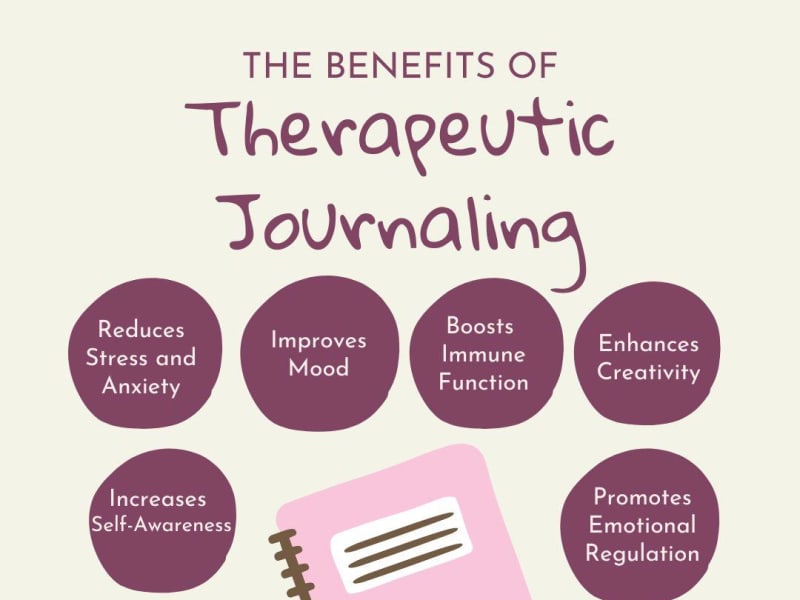
Journaling is more than a wellness trend — it's a scientifically validated tool for emotional processing, stress reduction, and psychological clarity. The evidence base, built over decades, reveals why putting pen to paper has such measurable effects on mental health
April 14, 2026

Learn when and how to take a mental health day to recharge, prevent burnout, and prioritize your overall well-being. Practical tips for Indian readers.
April 1, 2026

Feeling stuck and unmotivated due to mental health challenges? Discover practical, actionable tips to break through overwhelm and get things done, even on your toughest days.
April 1, 2026