

Free Helpline
We are here to assist you.
Health Advisor
+91-8877772277Available 7 days a week
10:00 AM – 6:00 PM to support you with urgent concerns and guide you toward the right care.

We are here to assist you.
Health Advisor
+91-8877772277Available 7 days a week
10:00 AM – 6:00 PM to support you with urgent concerns and guide you toward the right care.
Learn about anxiety tics: what they are, their causes, triggers, and effective management strategies for stress and involuntary movements.

What Are Anxiety Tics? Anxiety tics are sudden, involuntary movements or vocalizations that occur during periods of heightened anxiety or stress. While they are not a formal symptom of anxiety disorders and don't necessarily indicate a condition like Tourette Syndrome (TS), they can be distressing for those who experience them. Understanding what causes them and how to manage them is crucial for improving quality of life. Tics Explained: Motor and Vocal Movements A tic is defined as a sudden, recurrent, involuntary movement or vocalization. Tics can be broadly categorized into two types: Motor Tics: These involve physical movements. Simple motor tics might include eye blinking, head jerking, shoulder shrugging, or nose twitching. Complex motor tics can be more coordinated and purposeful-looking, such as touching objects, jumping, or making specific gestures. Vocal Tics (Phonic Tics): These involve sounds or words. Simple vocal tics can include throat clearing, grunting, sniffing, or coughing. Complex vocal tics might involve repeating words or phrases (echolalia), or uttering socially unacceptable words or phrases (coprolalia), though the latter is more commonly associated with Tourette Syndrome. It's important to note that tics can vary significantly from person to person in their type, frequency, and intensity. They can affect any part of the body but are often observed in the face, neck, shoulders, arms, and hands. Anxiety Tics vs. Tic Disorders While tics are a hallmark of certain neurological conditions like Tourette Syndrome, they can also appear in individuals without a formal tic disorder diagnosis. Anxiety tics specifically arise in the context of anxiety or stress. Key distinctions include: Diagnostic Criteria: Tic disorders, such as Tourette Syndrome, have specific diagnostic criteria outlined in the Diagnostic and Statistical Manual of Mental Disorders (DSM-5-TR). For instance, a TS diagnosis typically requires the presence of both motor and vocal tics for at least one year, with onset before age 18. Anxiety as a Trigger: Anxiety tics are directly linked to episodes of anxiety. The intensity and frequency of these tics often increase with the level of anxiety experienced. While anxiety doesn't cause Tourette Syndrome, it can exacerbate existing tic symptoms. Prevalence: Not everyone who experiences anxiety will develop tics. Anxiety tics are a specific manifestation that occurs in some individuals when their stress response is activated. What Causes Anxiety Tics? The exact mechanisms behind anxiety tics are still being researched, but experts believe they are related to the body's stress response and brain signaling. The Stress Response: When you experience anxiety, your body releases stress hormones like adrenaline and cortisol. This triggers the 'fight or flight' response, which can lead to a cascade of physiological changes, including altered brain activity. Dopamine Signaling: It's hypothesized that anxiety tics may be associated with unusual dopamine signaling in the basal ganglia, a brain region crucial for motor control and emotional regulation. Dopamine plays a key role in transmitting signals between nerve cells, and disruptions in its pathways can affect movement and behavior. Underlying Anxiety: For individuals prone to anxiety tics, anxiety itself is the primary trigger. Situations that induce stress or panic attacks can intensify these involuntary movements and vocalizations. Common Triggers for Anxiety Tics Triggers for anxiety tics are highly personal and depend on an individual's specific stressors and anxieties. Some common situations that can provoke anxiety tics include: Major life changes (e.g., moving, starting a new job) Loss of a loved one or significant personal loss High-pressure work or academic environments Social situations that cause discomfort or fear Financial worries Relationship conflicts Public speaking or performance anxiety Sudden loud noises or unexpected events The Role of Diet and Lifestyle While the direct impact of diet on anxiety tics isn't fully understood, research suggests that certain dietary factors might influence tic-related symptoms, particularly in conditions like Tourette Syndrome. Caffeine: High caffeine intake, equivalent to about 5 cups of coffee daily, has been linked to increased feelings of anxiety and a higher frequency of panic attacks. For individuals experiencing anxiety tics, caffeine could potentially act as a trigger. Refined Sugars: Some studies suggest that refined sugars might also exacerbate tic symptoms in certain neurological conditions. It's advisable for individuals experiencing anxiety tics to monitor their diet and observe if certain foods or beverages seem to worsen their symptoms. Consulting with a healthcare provider or a registered dietitian can provide personalized dietary advice. Managing and Reducing Anxiety Tics While anxiety tics are involuntary and not always preventable, several strategies can help manage stress, promote relaxation, and reduce their frequency and intensity. 1. Stress Management Techniques: Mindfulness and Meditation: Practicing mindfulness and meditation can help calm the nervous system and reduce overall anxiety levels. Regular practice can train the brain to respond less intensely to stressors. Deep Breathing Exercises: Simple deep breathing techniques can activate the body's relaxation response, counteracting the effects of anxiety. Progressive Muscle Relaxation: This technique involves tensing and then releasing different muscle groups to promote physical relaxation. Yoga and Tai Chi: These practices combine physical movement, breathing, and meditation, offering a holistic approach to stress reduction. 2. Cognitive Behavioral Therapy (CBT): CBT is a highly effective form of psychotherapy that helps individuals identify and change negative thought patterns and behaviors associated with anxiety. Therapists can teach coping mechanisms and strategies to manage anxiety triggers more effectively. 3. Lifestyle Adjustments: Regular Exercise: Physical activity is a powerful stress reliever and can improve mood and overall well-being. Adequate Sleep: Prioritizing 7-9 hours of quality sleep
In summary, timely diagnosis, evidence-based treatment, and prevention-focused care improve long-term health outcomes.
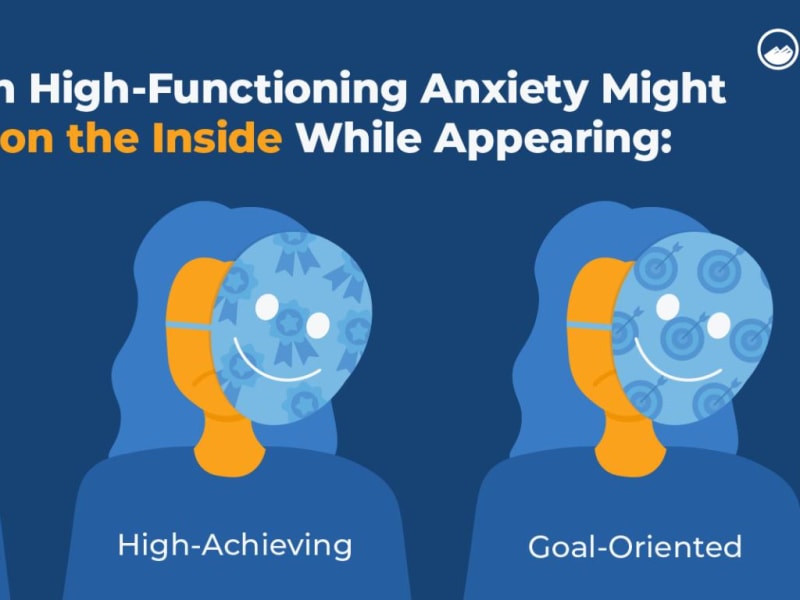
High-functioning anxiety is not a clinical diagnosis — but it describes a real and pervasive experience. People with high-functioning anxiety appear capable and successful on the outside while experiencing persistent internal distress. Recognising the pattern is the first step to changing it.
April 14, 2026
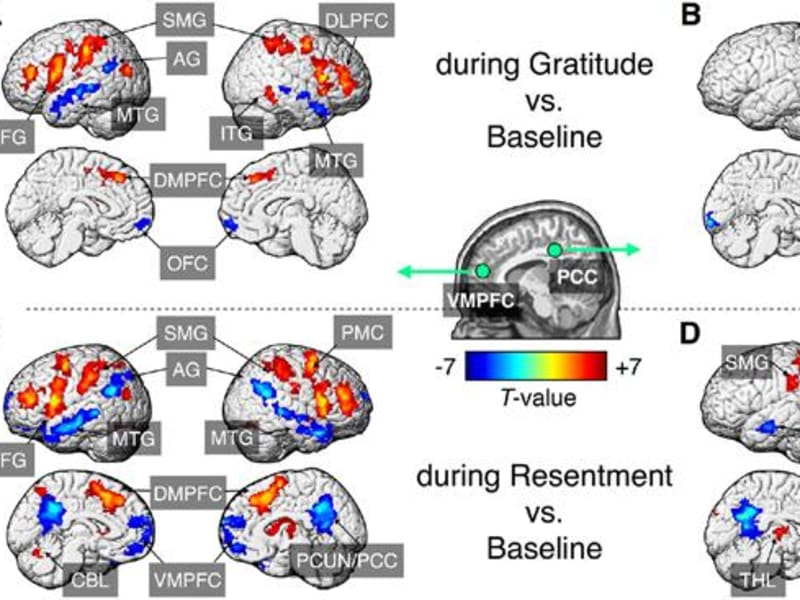
Gratitude practices have moved from self-help cliché to serious neuroscience. Brain imaging studies, randomised trials, and neurochemical research now reveal how consistent gratitude practice physically alters neural circuits linked to mood, anxiety, and social connection.
April 14, 2026
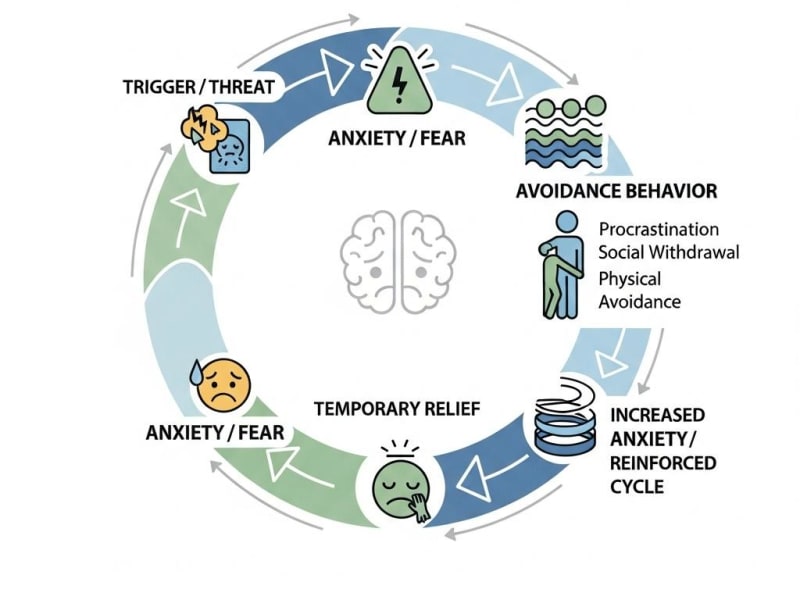
Avoiding anxiety-provoking situations feels like relief — but it's actually the mechanism that makes anxiety chronic. Understanding and interrupting the anxiety-avoidance cycle is the foundation of every effective psychological treatment for anxiety disorders.
April 14, 2026