

Emergency & Help
24/7 Emergency & General Advisory
🚨 24/7 Medical Emergency
Welcome to Doctar
Join our healthcare community
Free Eye Test
AI powered and calibrated eye test
24/7 Emergency & General Advisory
🚨 24/7 Medical Emergency
Join our healthcare community
Understand if Indian chemists can legally prescribe medicines. Learn about pharmacist roles and patient safety.

Many of us have wondered if a chemist, also known as a pharmacist, can legally prescribe medicines. This is a crucial question for patient safety and understanding healthcare access in India. While pharmacists play a vital role, their authority to prescribe is limited.
Pharmacists are highly trained healthcare professionals. They ensure people receive the correct medications. They also educate patients on proper drug usage and potential side effects. Their expertise is vital for safe medication management.
It's important to differentiate between prescribing and dispensing. A prescription is an order from a qualified medical practitioner authorizing a specific drug. Dispensing is the act of providing the medicine based on that prescription. In India, only registered medical practitioners (doctors) are legally authorized to prescribe medicines.
Worth knowing: The Drugs and Cosmetics Act, 1940, and subsequent rules govern drug sales and distribution. This legislation clearly outlines who can prescribe and who can dispense.
Chemists can provide medicines that are classified as 'Over-The-Counter' (OTC) drugs. These are generally non-prescription medicines for common ailments like headaches or mild fevers.
For anything requiring a prescription, a doctor's note is mandatory. As per the Indian Pharmacopoeia guidelines, pharmacists must verify a valid prescription before dispensing prescription-only medications.
That's the part worth remembering.
So what does this mean for you? You can buy widespread pain relievers or antacids directly. However, for antibiotics or chronic condition medications, a doctor's visit is essential.
But why does this happen? Medical diagnosis requires a deep understanding of a patient's complete health history and issue. Physicians conduct physical examinations and order tests. This thorough process ensures the correct diagnosis and appropriate treatment plan. An incorrect diagnosis or therapy can have serious health consequences.
In real-world terms, imagine trying to fix a complex electrical issue without understanding circuits. Similarly, prescribing medication without a full medical picture can be risky. A 2023 study published in The Lancet highlighted the importance of physician-led diagnosis for better patient outcomes.
While they don't prescribe, pharmacists are medication experts. They can offer valuable advice on drug interactions and dosage adjustments under a doctor's supervision. They act as a crucial link between the patient and the physician.
We often see pharmacists assisting those affected with understanding their prescriptions and managing side effects. Their role is indispensable in the healthcare ecosystem.
Honestly, their guidance can significantly improve how people manage their health. They help make sure prescribed therapies are used safely and effectively.
Living with a chronic illness is genuinely hard. Having clear guidelines on who can prescribe and dispense medicines ensures everyone receives safe and appropriate care.
Relying on a chemist for a prescription can lead to misdiagnosis and delayed therapy for serious conditions. The All India Institute of Medical Sciences (AIIMS) emphasizes that self-medication based on a chemist's advice, especially for non-OTC drugs, poses significant health risks.
It sounds simple. It rarely is.
We have seen instances where individuals, seeking quick relief, took advice from non-medical personnel. This often complicated their actual medical problem later.
The Indian government and regulatory bodies, like the Pharmacy Council of India, are continuously working to strengthen healthcare delivery. Efforts are underway to enhance the pharmacist's role in medication management and patient counselling. However, the core responsibility of diagnosis and prescription remains with qualified physicians.
Key Takeaways:
Only healthcare providers can legally prescribe medicines in India.
Chemists/pharmacists dispense medicines based on valid prescriptions.
Pharmacists can provide Over-The-Counter (OTC) drugs without a prescription.
Seeking medical advice from a physician is vital for accurate diagnosis and therapy.
Always consult a qualified physician before making any medical decisions. Your health is paramount, and seeking professional medical advice ensures you receive the best possible care tailored to your unique needs.
No, chemists cannot legally prescribe or provide antibiotics without a valid prescription from a registered medical practitioner. Antibiotics are prescription-only drugs and require a doctor's diagnosis.
Chemists can sell Over-The-Counter (OTC) medications without a prescription. These typically include basic pain relievers, antacids, cough syrups, and certain vitamins.
It is generally not safe to take prescription medicines recommended by a chemist without consulting a doctor. While they can advise on OTC drugs, they are not authorized to diagnose or prescribe for conditions requiring medical evaluation.
The numbers don't lie.
Medically reviewed by a qualified physician. Last updated April 2025. For informational purposes only.
Visit Hospital
Near You

Montek LC tablet is applied in the treatment of allergies and asthma symptoms. This is an instructional manual on the usage, benefits, dosage and precautions to treat it safely and effectively.
April 11, 2026
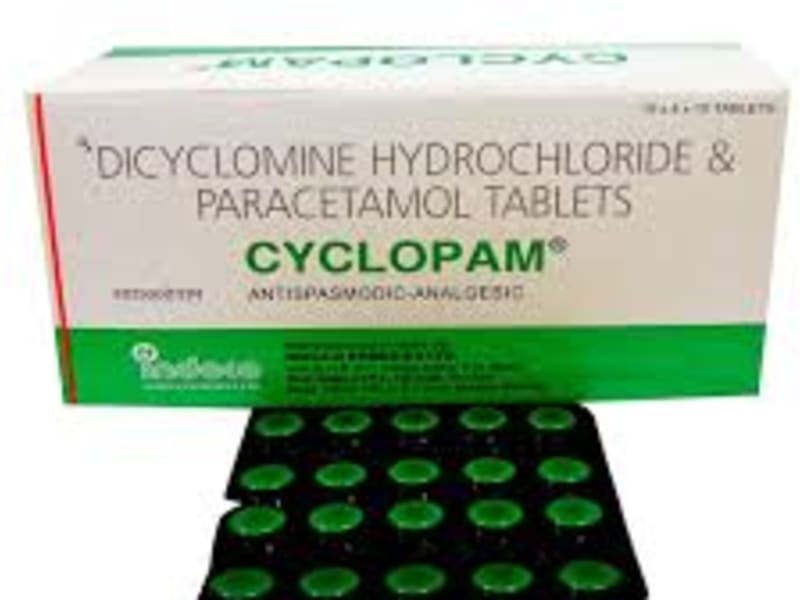
Cyclopam tablet is commonly used for abdominal pain and cramps. This guide explains its uses, benefits, dosage, and safety precautions for effective relief.
April 11, 2026
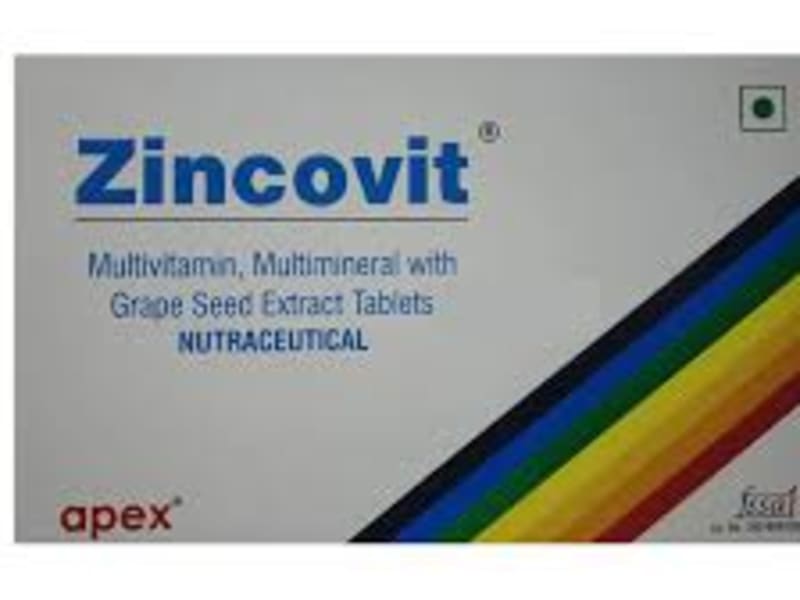
Zincovit tablet is a multivitamin supplement that supports immunity and overall health. This guide explains its uses, benefits, dosage, and safety precautions for proper use.
April 11, 2026