Understanding Dermatological Issues in Sahebganj
Dermatological ailments represent prevalent concerns impacting many individuals in Sahebganj and throughout India. These presentations can range from minor rashes to debilitating chronic illnesses, influencing both physical comfort and emotional well-being. Maintaining skin wellness is integral to holistic well-being.
Healthcare providers frequently encounter individuals experiencing disorders such as atopic dermatitis, psoriasis, acne, and sundry microbial invasions. Timely and precise diagnosis proves essential for efficacious management. Accessing appropriate care can present challenges; however, comprehending available therapeutic avenues represents the initial stride toward alleviation.
Across India, dermatological concerns pose a substantial public health challenge. According to the Indian Council of Medical Research (ICMR), skin-related issues account for a significant percentage of outpatient visits to healthcare facilities. Similar to other districts, Sahebganj observes numerous individuals impacted by these afflictions.
Improving outcomes for those affected hinges on access to qualified specialists and modern therapeutic approaches. Consequently, individuals should understand that effective medical attention is available, and actively seeking it is paramount.
The numbers don't lie.
Common Skin Presentations in Sahebganj
Atopic Dermatitis (Eczema)
Atopic dermatitis, commonly known as eczema, is a chronic inflammatory skin disorder marked by itchy, red, and inflamed patches. In India, a considerable portion of the population, particularly children, experiences this condition. Symptoms frequently include dry, sensitive skin, intense pruritus (itching), and recurring flare-ups.
In many instances, specific foods, soaps, or environmental factors can act as triggers. Managing atopic dermatitis involves a combination of topical medications, emollients (moisturizers), and lifestyle modifications.
Psoriasis
Psoriasis is an autoimmune disease characterized by the rapid accumulation of skin cells. This leads to the formation of thick, silvery scales and itchy, dry, erythematous (red) patches. As a chronic problem, it often cycles through periods of exacerbation and remission.
The World Health Organization (WHO) reports that psoriasis affects approximately 2-3% of the global population, with a comparable prevalence noted in India. Therapy aims to reduce inflammation and decelerate skin cell proliferation.
That alone changes everything.
Acne Vulgaris
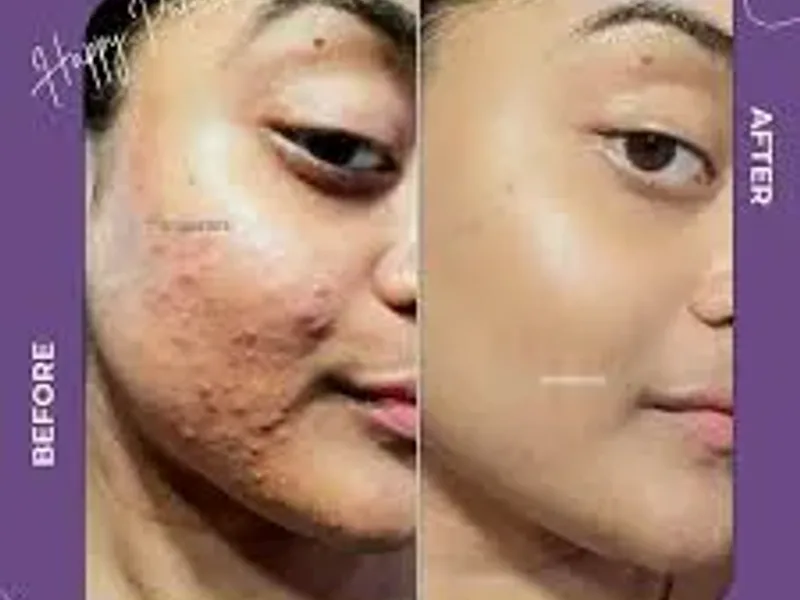
Acne is a widespread skin issue, particularly among adolescents and young adults, resulting from obstructed hair follicles. Pores may become blocked by sebum (oil) and dead skin cells, leading to papules (pimples), comedones (blackheads), and whiteheads.
Although often viewed as a cosmetic concern, severe acne can cause scarring and considerable emotional distress. Millions of cases are observed annually in India, with reliable interventions available, including topical creams, oral medications, and advanced procedures.
Fungal Skin Afflictions
Fungal skin afflictions, such as ringworm (tinea) and athlete's foot, flourish in warm, moist environments. These are particularly prevalent in regions with humid climates, like parts of India. They manifest as itchy, red, and sometimes scaly rashes.
To prevent spreading and recurrence, prompt therapy with antifungal medications is essential. Therefore, early intervention is critical for fungal ailments.
Bacterial Dermatological Issues
Dermatological issues like impetigo and cellulitis originate from bacterial causes. Impetigo typically presents as red sores that quickly rupture, ooze, and develop a yellowish-brown crust. Cellulitis affects deeper dermal layers, causing redness, swelling, and pain.
Recovery is rarely linear.
These require swift antibiotic therapy, often prescribed by a physician following diagnosis. The Infectious Diseases Society of America (IDSA) guidelines underscore the importance of timely antibiotic use for such microbial invasions.
Finding Expert Dermatologists in Sahebganj
Identifying the appropriate specialist is crucial for successful management of skin disorders. Qualified dermatologists and skin specialists can be located through various channels within Sahebganj. Numerous hospitals and clinics across the district house dedicated dermatology departments staffed by experienced physicians.
Online healthcare platforms, such as Doctar, also provide listings of verified specialists in your vicinity, complete with their qualifications and patient reviews. This accessibility empowers individuals to find optimal care.
The Role of General Physicians
Frequently, a general physician serves as the initial point of contact for a dermatological concern. They possess the capability to diagnose and address many prevalent skin presentations. Should a disorder prove more complex or necessitate specialized attention, your general practitioner will issue a referral to a dermatologist.
It sounds simple. It rarely is.
This referral system ensures that patients receive the appropriate level of expertise for their specific requirements. In practical terms, this collaborative approach between general practitioners and specialists fortifies the healthcare network.
Specialist Consultations
Dermatologists are medical doctors who specialize in conditions involving the integumentary system (skin), hair, and nails. They possess the expertise to diagnose intricate dermatological issues through visual examination, skin biopsies, and other diagnostic procedures. Their advanced knowledge permits the prescription of potent topical or systemic therapies.
For example, managing severe psoriasis often necessitates the involvement of a dermatologist. They can devise a personalized therapeutic plan that may incorporate biologic agents or phototherapy, modalities not typically managed by general physicians.
Therapeutic Approaches and Interventions
The therapeutic approach for any skin complaint is highly individualized, contingent upon the diagnosis, severity, and the patient's overall well-being. An initial thorough consultation with a healthcare provider is essential.
This is where most sufferers struggle.
This ensures that the selected therapy is both safe and impactful for the specific situation. Living with chronic skin disorders is genuinely challenging, and discovering an efficacious regimen can be a prolonged process.
Topical Applications
Topical medications, which include creams, ointments, lotions, or gels, are applied directly to the skin. They form a cornerstone for addressing many conditions like atopic dermatitis, acne, and fungal afflictions. Corticosteroids are frequently prescribed to diminish inflammation in atopic dermatitis and psoriasis.
Antibiotic or antifungal creams are standard for bacterial and fungal microbial invasions, respectively. Consistent application as directed by a physician is vital for these therapies to be impactful.
Systemic Medications
When topical applications prove inadequate, systemic medications (administered orally or via injection) may become necessary. For severe autoimmune disorders like psoriasis, agents such as methotrexate or biologics are often employed.
It sounds simple. It rarely is.
These pharmaceutical agents act throughout the body to regulate the immune response or inflammation. The American Academy of Dermatology (AAD) provides guidelines for the use of systemic therapies, emphasizing meticulous patient selection and monitoring.
Phototherapy
Phototherapy involves exposing the skin to specific wavelengths of ultraviolet (UV) light under controlled medical supervision. It is a proven intervention for disorders like psoriasis and atopic dermatitis that have not responded to other regimens.
While impactful, it necessitates specialized equipment and trained personnel, typically found in larger hospitals or specialized clinics. Ultimately, it represents an option for specific, resistant presentations.
Lifestyle and Home Care
Beyond medical interventions, lifestyle modifications play a critical role. This encompasses identifying and avoiding triggers, maintaining proper skin hygiene, and utilizing gentle, fragrance-free skincare products. For disorders like atopic dermatitis, consistent moisturization is as important as medication.
This is where most sufferers struggle.
Similarly, for acne, an appropriate skincare routine can significantly enhance therapeutic effectiveness. These simple, often overlooked, steps can markedly improve the management of chronic skin ailments.
Patient Journeys in Sahebganj
Many individuals residing in Sahebganj have successfully managed their skin complaints with the assistance of local healthcare providers. For instance, Mrs. Sharma, a resident of the district, shared her experience managing chronic atopic dermatitis.
Initially, she found relief using prescribed topical steroids and a strict moisturizing regimen. Her dermatologist also aided her in identifying specific food triggers, which substantially reduced flare-ups. This personal narrative underscores the importance of a tailored approach.
Another patient, Mr. Gupta, contended with severe acne for several years. He eventually consulted a dermatologist in the area who recommended a course of oral medication combined with a prescription skincare routine.
This is where most those affected struggle.
Within six months, his skin had dramatically improved, significantly boosting his confidence. His account highlights the effectiveness of timely specialist intervention. These examples illustrate that with appropriate care, people can achieve healthier skin and an enhanced quality of life.
Preventive Measures and Skin Wellness
Preventing dermatological issues often entails simple yet reliable habits. Protecting skin from excessive sun exposure using sunscreen is paramount, as UV radiation can cause sunburn, premature aging, and elevate the risk of skin cancer. Maintaining a balanced diet rich in vitamins and antioxidants also supports skin wellness.
Hydration is equally vital; consuming ample water helps keep the skin supple and assists in toxin elimination. Regular cleansing with mild soaps removes dirt and excess oil, preventing pore blockages.
Understanding one's skin type and using suitable skincare products can prevent irritation and breakouts. For individuals prone to allergies, identifying and avoiding allergens is crucial.
In many cases, a proactive stance on skin wellness can prevent the onset or severity of numerous frequent presentations. This signifies that consistent, minor adjustments can yield substantial long-term benefits for skin integrity.
This is where most those affected struggle.
Key Takeaways
- Sahebganj provides access to dermatologists and general physicians for skin disorder management.
- frequent presentations like atopic dermatitis, psoriasis, and acne necessitate tailored therapeutic approaches.
- Therapeutic options include topical and systemic medications, phototherapy, and lifestyle adjustments.
- Early diagnosis and consistent adherence to medical plans are vital for managing dermatological issues effectively.
- Preventive measures such as sun protection and proper skincare are crucial for maintaining skin wellness.
Frequently Asked Questions
Can I consume spicy food if I have acne?
While spicy foods do not directly cause acne, they can occasionally trigger flare-ups in sensitive individuals by elevating body temperature and perspiration. It is advisable to observe your skin's reaction and discuss potential dietary triggers with your dermatologist. Generally, focusing on a balanced diet benefits overall skin wellness.
How long does management for atopic dermatitis typically take?
Atopic dermatitis is a chronic disorder, implying that management focuses on control rather than a complete cure. With consistent therapy, including emollients and prescribed medications, warning signs can be mitigated, leading to extended periods of remission.
The duration of management varies considerably depending on severity and individual response.
Is psoriasis contagious?
No, psoriasis is not contagious and cannot be transmitted from person to person through direct contact. It is an autoimmune disorder affecting the immune system. While it can cause meaningful discomfort and visible skin alterations, it poses no likelihood of microbial invasion to others.
What is the most powerful way to prevent fungal skin afflictions?
Preventing fungal skin afflictions involves keeping the skin clean and dry, especially in areas prone to moisture like feet and groin. Wearing breathable clothing and footwear, promptly changing out of wet clothes, and avoiding sharing personal items such as towels and shoes can significantly help.
And yet, so many people miss it.
Antifungal powders can also be used preventatively in susceptible individuals.
Always consult a qualified physician before making medical decisions.