Keloid Scar Treatment in Kolkata
Keloids are raised scars that develop when the skin heals after an injury. Unlike normal scars, keloids may continue to grow beyond the original wound area. They can appear after acne, surgery, burns, ear piercing, or even minor skin injuries.
Many people seek keloid scar treatment in Kolkata to reduce discomfort, itching, or cosmetic concerns. Early diagnosis and proper medical care can help improve the appearance of the scar and reduce the risk of recurrence.
What Are Keloid Scars?
A keloid is a thick, raised scar caused by excess collagen production during wound healing. These scars may appear smooth, shiny, and darker than the surrounding skin.
Common features of keloid scars include:
• Raised and thick skin growth
• Scar extending beyond the original injury
• Itching or tenderness
• Pink, red, brown, or darker discoloration
• Slow and gradual enlargement over time
Keloids can develop on different body areas, but they are more common on:
• Chest
• Shoulders
• Earlobes
• Jawline
• Upper back
Although keloids are not dangerous, they may affect confidence or cause discomfort in daily life.
Causes and Risk Factors of Keloids
Keloids form when the body produces too much scar tissue during healing. The exact reason is not always clear, but several factors may increase the risk.
Common Causes
Keloids may develop after:
• Acne scars
• Surgical cuts
• Burns
• Ear piercing
• Vaccination marks
• Insect bites
• Skin infections
Risk Factors
Certain people are more likely to develop keloids, including:
• Individuals with a family history of keloids
• People with darker skin tones
• Teenagers and young adults
• Patients with repeated skin injuries
• Individuals prone to abnormal scar formation
Understanding these factors can help patients take preventive steps after injuries or cosmetic procedures.
Symptoms That May Need Medical Attention
Some scars heal naturally, while others continue to enlarge and become uncomfortable. A dermatologist can help identify whether the scar is a keloid or another skin condition.
You should consider medical evaluation if you notice:
• Continuous growth of the scar
• Pain or itching
• Tightness around joints or movement areas
• Cosmetic concerns affecting confidence
• Frequent irritation from clothing or accessories
In some cases, untreated keloids may become harder to manage over time.
Keloid Scar Treatment Options in Kolkata
Treatment depends on the size, location, and severity of the keloid. Dermatologists often combine different methods to improve results and reduce recurrence risk.
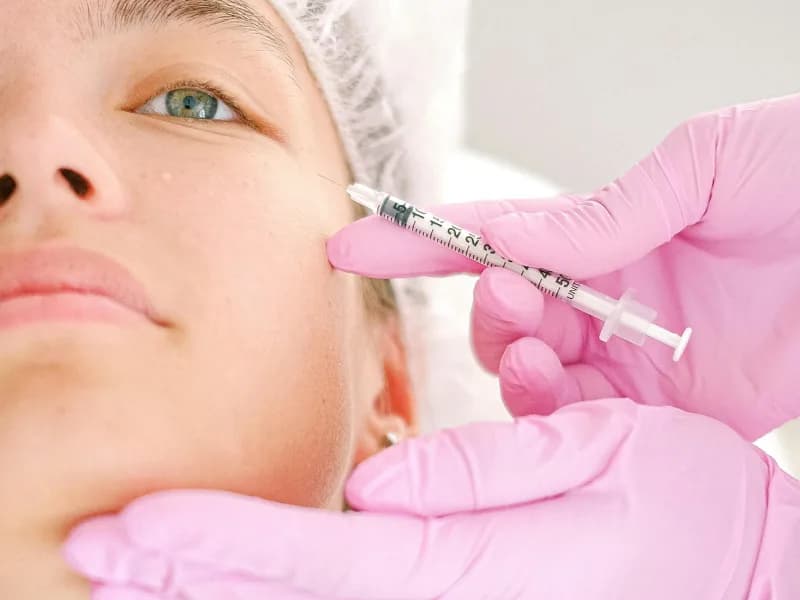
Injection Therapy
Steroid injections are commonly used to flatten and soften keloids.
Benefits may include:
• Reduced thickness
• Less itching and redness
• Improved appearance over time
Multiple sessions are often required for better results.
Laser Treatment
Laser therapy may help reduce redness and improve skin texture.
It is often recommended for:
• Smaller keloids
• Pigmented scars
• Cosmetic improvement
Laser treatment is usually combined with other therapies for better outcomes.
Cryotherapy
Cryotherapy involves freezing the scar tissue.
It may help:
• Reduce scar size
• Improve texture
• Control smaller keloids
This treatment is generally more effective for early or smaller lesions.
Surgical Removal
Large or stubborn keloids may require surgical removal. However, surgery alone may not prevent recurrence.
Doctors may combine surgery with:
• Steroid injections
• Silicone sheets
• Pressure therapy
• Radiation therapy in selected cases
A dermatologist will recommend the safest option based on individual skin type and scar history.
Tips to Prevent Keloid Formation
People with a history of keloids should take extra care after skin injuries or procedures.
Helpful prevention tips include:
• Avoid unnecessary skin piercings or tattoos
• Keep wounds clean and protected
• Follow post-surgery care instructions carefully
• Use silicone gel or pressure dressings if advised
• Avoid scratching healing wounds
• Consult a dermatologist early if a scar thickens
Early treatment may help limit scar growth and improve long-term outcomes.
Choosing a Dermatologist for Keloid Treatment in Kolkata
Selecting an experienced skin specialist is important for safe and effective care. Treatment plans should be personalized based on skin type, scar size, and recurrence risk.
When choosing a dermatologist, consider:
• Experience in scar management
• Availability of advanced treatment options
• Proper diagnosis and follow-up care
• Transparent discussion of expected results
• Patient reviews and clinic hygiene standards
A qualified dermatologist can explain realistic expectations and recommend evidence-based treatments.
FAQs
1. Can keloid scars go away naturally?
Keloids usually do not disappear on their own. Some may become less noticeable over time, but medical treatment is often needed for significant improvement.
2. Is keloid treatment painful?
Most treatments cause minimal discomfort. Doctors may use numbing creams or local anesthesia during certain procedures.
3. Can keloids come back after treatment?
Yes, keloids can recur, especially after surgery. Combination therapy and follow-up care may help reduce recurrence risk.
4. Which treatment is best for keloids?
The best treatment depends on the scar’s size, location, and severity. Dermatologists may combine injections, laser therapy, cryotherapy, or surgery.
5. When should I see a dermatologist for a keloid?
You should seek medical advice if the scar is growing, painful, itchy, or causing cosmetic concerns.
Conclusion
Keloid scars can affect both physical comfort and self-confidence, but several treatment options are available to help manage them. Early diagnosis, proper skin care, and guidance from an experienced dermatologist can improve treatment outcomes.
If you are considering keloid scar treatment in Kolkata, consult a qualified skin specialist for a personalized evaluation and safe treatment plan.
Author: Doctar Team