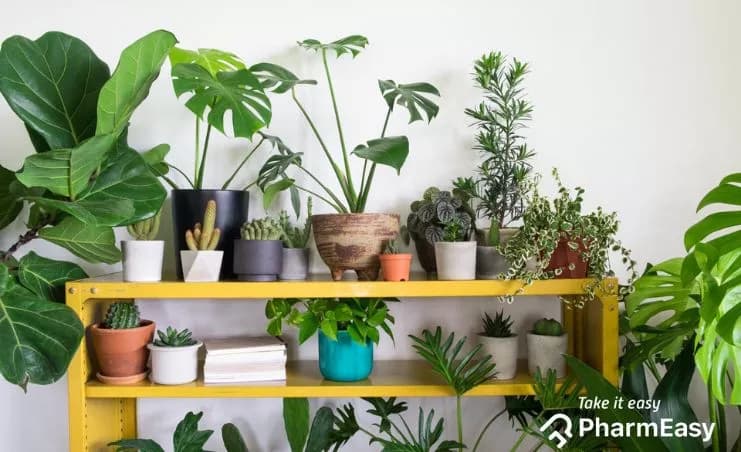
The Aura of Abundance: Choosing Auspicious Indoor Flora for Your Indian Home
Meena, 45, a homemaker from Jaipur, noticed her home felt a little dim, even with the afternoon sun streaming in. She'd always been drawn to greenery, but after a conversation with her neighbour about the upcoming Diwali decorations, she started thinking about more than just aesthetics.
" she pondered, remembering her grandmother’s tales of specific specimens ushering in prosperity. This curiosity led her down a path of discovering the profound connection between nature, beneficial energy, and our living spaces, a connection deeply woven into Indian traditions.
The desire for a harmonious and prosperous home is universal. In India, this often extends beyond mere cleanliness and good Vastu Shastra principles. Many believe that incorporating specific flora can significantly enhance the flow of beneficial energy, attract wealth, and promote overall well-being.
What most people miss: these aren't just decorative items; they are living entities that can actively contribute to your home's atmosphere. Honestly, the impact of greenery on our mental and emotional states is well-documented, but the concept of 'auspicious' flora adds a fascinating spiritual and energetic dimension.
That's the part worth remembering.
Why Indoor Flora Matter for Good Fortune
But why does this happen? Flora are natural air purifiers. The World Health Organization (WHO) highlights that indoor air can be two to five times more polluted than outdoor air. Flora absorb toxins like formaldehyde and benzene, releasing fresh oxygen.
This improved air quality can lead to better sleep, reduced headaches, and increased concentration. Think about it this way: a healthier environment naturally fosters a more beneficial outlook. Beyond air purification, many cultures, including ours, associate certain flora with specific beneficial attributes like wealth, health, and good fortune. This belief system, often rooted in ancient practices, adds a psychological boost, encouraging mindfulness and care, which in turn can foster a sense of abundance.
The reality is, cultivating these flora can be a mindful practice. The act of watering, pruning, and watching them grow provides a sense of accomplishment and connection to nature. This daily interaction can be incredibly grounding, especially in our fast-paced lives. For instance, studies published in journals like The Lancet have shown that even visual exposure to nature can reduce stress levels. So, when you introduce an 'auspicious' specimen into your home, you're not just adding a splash of green; you're inviting a source of calm, clean air, and a potent symbol of growth and prosperity. For many Indians, especially during festive seasons like Navratri or Diwali, the placement of propitious flora is as crucial as decorating the puja room.
The Top 10 Auspicious Indoor Flora
Let's explore the top 10 flora widely believed to usher in good fortune and prosperity into your home. We've considered ease of care, aesthetic appeal, and their traditional associations with fortune.
1. Money Plant (Epipremnum aureum)
Perhaps the most popular 'auspicious' specimen in India, the Money Plant is synonymous with wealth and prosperity. Its cascading vines are believed to attract financial abundance. It’s incredibly resilient and thrives in various atmospheric conditions, making it perfect for beginners.
Recovery is rarely linear.
Over 101 million Indians have diabetes (ICMR, 2023), highlighting the prevalence of health concerns; while not a direct cure, a healthier home environment fostered by flora can contribute to overall well-being. This specimen is often gifted to signify wishes of prosperity.
2. Lucky Bamboo (Dracaena sanderiana)
Despite its name, Lucky Bamboo is not a true bamboo. It's a symbol of good fortune, strength, and happiness, particularly popular in Feng Shui. The number of stalks has specific meanings: two for love, three for happiness, five for wealth, and seven for good health.
It requires minimal care, thriving in indirect illumination and needing only water changes. Its stalks are often arranged in intricate spirals, adding an artistic touch to any space. The International Diabetes Federation (IDF) estimates that diabetes cases in India will rise significantly, underscoring the need for holistic wellness approaches, including stress reduction through calming environments.
3. Snake Plant (Sansevieria trifasciata)
Known for its striking, upright leaves, the Snake Plant is not only aesthetically pleasing but also a powerful air purifier. It's believed to ward off negative energy and usher in good fortune. It’s exceptionally hardy, tolerating low illumination and infrequent watering – a lifesaver for busy individuals.
Most people overlook this completely.
Its ability to convert carbon dioxide into oxygen at night makes it ideal for bedrooms. Honestly, its low maintenance is a huge plus.
4. Areca Palm (Dypsis lutescens)
The Areca Palm is thought to usher in beneficial energy and good fortune. Its lush, feathery fronds add a tropical feel to any room, instantly enhancing the ambiance. This specimen is also an excellent natural air humidifier and purifier, removing toxins from the air.
It prefers bright, indirect illumination and consistent moisture, making it a slightly more demanding, yet rewarding, addition. Its presence is often associated with peace and tranquility.
5. Jade Plant (Crassula ovata)
' It symbolizes good fortune, prosperity, and friendship. It thrives in bright illumination and requires infrequent watering, making it an excellent choice for those who might forget to water regularly.
Many families in India place a Jade specimen near the entrance of their homes or businesses to welcome wealth. Its sturdy nature reflects resilience.
6. Peace Lily (Spathiphyllum)
The elegant Peace Lily, with its beautiful white blooms, is believed to usher in peace, harmony, and good fortune. It's also a fantastic air purifier, removing pollutants like ammonia and benzene. This specimen thrives in low to medium indirect illumination and communicates its needs by drooping its leaves when thirsty.
Its serene appearance can significantly calm a space. Think about it this way: its gentle presence can be a constant reminder to seek peace amidst life's chaos.
7. Spider Plant (Chlorophytum comosum)
Spider plants are known for their air-purifying qualities and are thought to usher in good fortune and beneficial energy. They are incredibly easy to care for, producing 'spiderettes' or baby specimens that can be easily propagated. They prefer bright, indirect illumination and moderate watering.
The numbers don't lie.
Their unique appearance adds a dynamic element to your indoor garden. 5 levels can exceed safe limits by over 10 times annually), flora like the spider plant offer a small, yet meaningful, contribution to healthier indoor air.
8. Rubber Plant (Ficus elastica)
The Rubber Plant, with its thick, glossy leaves, is believed to attract wealth and prosperity. Its round leaves are said to symbolize abundance and good fortune. It thrives in medium to bright indirect illumination and prefers to dry out slightly between waterings.
Its upright growth habit makes it a striking statement piece. This specimen’s resilience mirrors the Indian spirit of perseverance.
9. Chinese Evergreen (Aglaonema)
Chinese Evergreen flora are known for their striking foliage and are believed to usher in good fortune and prosperity. They are also excellent air purifiers, removing common household toxins. These specimens are remarkably tolerant of low illumination conditions, making them ideal for dimmer corners of your home.
Their vibrant patterns add a touch of exotic beauty. Imagine a slightly darker room, perhaps after a monsoon downpour, where the patterned leaves of the Chinese Evergreen still bring life and colour.
10. Rosemary (Rosmarinus officinalis)
While often grown for its culinary and medicinal properties, Rosemary is also considered a specimen of protection and good fortune. Its fragrant needles are believed to ward off negativity and promote well-being. It requires plenty of illumination and well-draining soil. Many people place a small pot of Rosemary near their entrance or on their windowsill.
This is where most patients struggle.
Its aroma alone can be uplifting and stress-reducing. So what does that mean for you? It means you can enjoy a fragrant herb that doubles as a symbol of good fortune.
Caring for Your Auspicious Flora
The effectiveness of these flora, whether perceived or real, is often linked to how well they are cared for. A neglected, dying specimen is unlikely to radiate beneficial energy. Ensure you understand the specific needs of each specimen regarding illumination, water, and soil. Watering schedules can vary greatly; for instance, succulents like the Jade Plant need much less water than a lush Areca Palm.
Place flora in locations that match their illumination requirements – never place a sun-loving specimen in a dark corner, and vice-versa. Repotting when necessary prevents root-bound conditions, which can stress the specimen. Consistent, gentle care fosters a thriving specimen, which in turn, is believed to foster good fortune.
Honestly, the connection we form with our flora is part of their magic. Taking the time to nurture them can be a deeply rewarding experience, bringing a sense of calm and purpose.
Observing new growth, the unfurling of leaves, or the emergence of a bloom—these small victories contribute to a beneficial mindset. Remember, the belief in these flora's lucky properties often amplifies their beneficial impact through our own focused attention and beneficial affirmations.
Potential Pitfalls and Considerations
While these flora are generally considered safe, it's essential to be aware of potential issues. Some specimens, like the Peace Lily or Jade Plant, can be toxic if ingested, so exercise caution if you have pets or small children who might nibble on leaves. Always research a specimen's toxicity before introducing it to your home. On top of that,, pests can be an issue for any specimen.
It sounds simple. It rarely is.
Regularly inspect your flora for signs of infestation and address them promptly with natural or appropriate treatments. Overwatering is a frequent mistake, leading to root rot, a condition that affects millions of flora annually worldwide. Ensure good drainage and allow the soil to dry out appropriately between waterings. This is crucial for flora like the Snake Plant and Jade Plant.
Always consult a qualified physician before making any medical decisions.
Key Takeaways:
- Certain indoor flora are traditionally believed to usher in good fortune, prosperity, and beneficial energy into the home.
- Flora like the Money Plant, Lucky Bamboo, and Jade Plant are particularly associated with attracting wealth.
- Many 'auspicious' specimens, such as the Snake Plant and Spider Plant, are also excellent air purifiers, improving indoor air quality.
- Proper care is essential; a healthy, thriving specimen is believed to radiate more beneficial energy than a neglected one.
- Always consider specimen toxicity, especially if you have pets or children, and research care requirements thoroughly.