The Ancient Wisdom of Camel Pose: A Gateway to Holistic Well-being
Meena, 45, a homemaker from Jaipur, noticed a persistent ache in her lumbar region after long hours spent tending to her family and household chores. Coupled with this was a growing sense of fatigue and mild indigestion that seemed to plague her, especially after larger meals. Like many in India, her daily routine involved periods of sitting on the floor, a posture that, while culturally ingrained, could sometimes exacerbate existing spinal discomfort.
She sought relief, hoping for a natural remedy that could strengthen her back and invigorate her body. Her search led her to the ancient discipline of yoga, and specifically, to the profound benefits of Camel Pose, or the Camel Pose.
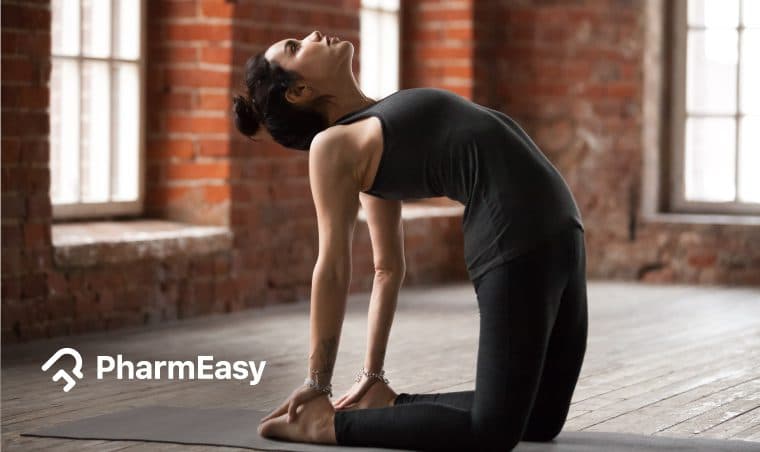
Worth knowing: Camel Pose, a powerful heart-opening and back-bending posture, has been a cornerstone of Hatha Yoga for centuries. Its name, derived from the Sanskrit word 'Ustra' meaning camel, hints at the pose's characteristic arching back. This asana is more than just a physical stretch; it's a discipline that resonates deeply with our physical and emotional states, offering a unique pathway to rejuvenation.
Unlocking the Multifaceted Benefits of Camel Pose
The advantages of incorporating Camel Pose into your yoga regimen are extensive, touching upon physical, mental, and even subtle energetic levels. Think about it this way: this pose acts as a potent antidote to the modern sedentary lifestyle that often leads to a hunched posture and a weakened spine.
By encouraging a deep backward bend, Camel Pose actively counteracts these effects.
Physical Transformations Through Camel Pose
- Spinal Health and Flexibility: Perhaps the most celebrated benefit is its impact on the spine. Camel Pose provides a deep stretch to the entire anterior chain of the body – the front muscles of the torso, abdomen, and thighs. This stretch is crucial for improving spinal flexibility and alleviating common ailments like back pain. Studies have shown that regular engagement can significantly improve spinal mobility, with many individuals reporting a reduction in chronic back discomfort. It helps in decompressing the vertebral discs and strengthening the erector spinae muscles that support the spine.
- Improved Posture: In an era where screen time often leads to slouching, Camel Pose is a powerful tool for postural correction. It opens the chest and shoulders, encouraging an upright stance and relieving tension in the upper back. This is particularly beneficial for individuals who spend long hours at desks or driving.
- Respiratory Enhancement: The deep opening of the chest and expansion of the rib cage in Camel Pose facilitates deeper, more efficient breathing. This pose can be incredibly beneficial for individuals suffering from mild respiratory issues, asthma, or congestion. By increasing lung capacity, it allows for greater oxygen intake, which in turn boosts energy levels and overall vitality. The chest expansion is so significant that it can feel like unlocking a new dimension of breath.
- Thyroid and Parathyroid Gland Stimulation: The gentle compression and stretching of the neck region in Camel Pose is believed to stimulate the thyroid and parathyroid glands. These glands play a critical role in regulating metabolism, energy levels, and calcium balance. Regular engagement may contribute to better thyroid function, although it should not be considered a substitute for medical treatment for thyroid disorders. The International Diabetes Federation (IDF) notes the interconnectedness of metabolic health, and yoga's role in supporting overall well-being is increasingly recognized.
- Digestive Fire Ignition: The abdominal compression and the backward bend work synergistically to stimulate the digestive organs. This stimulation can help boost digestion, relieve constipation, and reduce bloating. For many, especially after indulging in rich festival diets frequent during celebrations like Diwali, Camel Pose can be a welcome relief, aiding in the efficient processing of food. Over 101 million Indians have diabetes (ICMR, 2023), highlighting the growing importance of metabolic and digestive health support.
- Cardiovascular Health: As a heart-opening pose, Camel Pose improves blood circulation and can enable strengthen the heart muscle. The increased blood flow to the upper body and brain can also enhance mental clarity and reduce feelings of fatigue. Its ability to promote relaxation can also contribute to lower blood pressure over time.
- Strengthening Muscles: Beyond the spine, Camel Pose engages and strengthens the glutes, quadriceps, and core muscles. This comprehensive muscle engagement contributes to better body awareness and stability.
Mental and Emotional Serenity
The benefits extend far beyond the physical. The deep stretch and chest opening are known to let go of pent-up emotional tension, often stored in the shoulders and chest area. So what does that mean for you? It means that Camel Pose can be a powerful tool for emotional release and stress reduction.
This is where most patients struggle.
- Stress and Anxiety Relief: By promoting deeper breathing and letting go of physical tension, Camel Pose calms the nervous system. This can significantly alleviate symptoms of stress, anxiety, and mild depression. The act of opening the chest can symbolically open the heart to receive more joy and let go of fear.
- Mood Enhancement: The increased blood flow to the brain and the release of endorphins during the discipline contribute to an improved mood and a sense of well-being. It's a natural mood booster that requires no external aids.
- Increased Energy and Vitality: Despite being a stretching pose, Camel Pose is surprisingly energizing. The improved circulation, deeper breathing, and letting go of tension work together to combat fatigue and leave you feeling revitalized.
Mastering Camel Pose: A Step-by-Step Guide
Performing Camel Pose correctly is key to reaping its benefits while avoiding injury. Always approach the pose with mindfulness and listen to your body's signals. Dr. Ankit Sankhe, a renowned yoga expert, emphasizes a gradual approach, especially for beginners.
Preparation is Key
Before attempting Camel Pose, ensure you have a stable base. Sit on a folded blanket if needed for cushioning, especially if you have sensitive knees. Perform a few gentle warm-up stretches for your spine and wrists.
The Pose Explained
- Starting Position: Begin in a kneeling position on your mat, with your knees hip-width apart. Ensure your shins and the tops of your feet are flat on the floor. Tuck your toes under if that feels more comfortable, or keep them flat.
- Hand Placement: Place your hands on your lumbar region, fingers pointing downwards. Keep your elbows pointing backward, drawing your shoulder blades towards each other. This action helps to support your spine.
- Engage Your Core: Gently engage your abdominal muscles to support your lumbar region. This is crucial to prevent hyperextension and potential injury.
- The Gentle Arch: Begin to gently arch your back, pushing your hips forward. Imagine lifting your chest towards the ceiling. Keep your neck long and avoid compressing it. Look slightly upwards if comfortable, but do not strain your neck.
- Deepening the Pose (Optional): If your flexibility allows and your back feels supported, you can gradually lower your hands to grasp your heels or ankles. Maintain the forward push of your hips and the upward lift of your chest.
- Breathing: Breathe deeply and steadily throughout the pose. Inhale as you arch and exhale as you hold the pose. The breath should be smooth and unforced.
- Holding Time: Hold the pose for 5-10 breaths initially, gradually increasing the duration as you become more comfortable.
- Exiting the Pose: To let go, bring your hands back to your lumbar region, tuck your chin towards your chest, and slowly roll up your spine, returning to a kneeling position. Counterpose by sitting back on your heels and gently bending forward into Balasana (Child's Pose) for a few breaths to let go of the back.
Modifications and Precautions
What most people miss: Camel Pose, while beneficial, is not suitable for everyone. Individuals with severe neck problems, high or low blood pressure, insomnia, or serious back injuries should avoid this pose or engage in it only under strict supervision.
- Neck Support: If you have neck stiffness, keep your chin slightly tucked towards your chest, looking forward rather than up.
- Knee Sensitivity: Use extra padding under your knees if they are sensitive. The WHO recommends mindful movement to support musculoskeletal health.
- Lumbar Region Protection: Always engage your core and avoid forcing the backbend. If you feel any sharp pain, come out of the pose immediately.
- Beginner's Approach: If reaching your heels is too challenging, keep your hands on your lumbar region or use yoga blocks placed on either side of your feet for support.
But why does this happen? The deep backbend can put pressure on certain areas if not executed with proper form and core engagement.
Listening to your body is paramount. The efficacy of yoga for managing chronic conditions is gaining traction, with studies published in reputable journals like The Lancet highlighting its therapeutic potential when engaged in correctly.
Integrating Camel Pose into Your Daily Life
The beauty of Camel Pose lies in its adaptability. You can integrate it into your morning yoga routine to energize your day, or engage in it in the evening to let go of the day's accumulated stress. Even a few repetitions can make a major difference.
It sounds simple. It rarely is.
Consider engaging in it after sitting for long periods, especially if you find yourself experiencing stiffness or fatigue. It’s a simple yet profound way to reconnect with your body and promote a sense of inner balance.
The discipline of yoga, deeply rooted in Indian culture, offers timeless wisdom for modern living. Camel Pose stands as a testament to this, providing a potent blend of physical conditioning and mental tranquility. By understanding its benefits and engaging in it with awareness, you can unlock a new level of vitality and well-being.
Key Takeaways
- Camel Pose improves spinal flexibility and posture, combating the effects of sedentary lifestyles.
- The pose enhances respiratory function by expanding the chest and increasing lung capacity.
- It stimulates digestive organs, aiding in better digestion and relieving constipation.
- Camel Pose offers considerable stress relief and mood enhancement by calming the nervous system.
- Proper form, core engagement, and listening to your body are crucial for safe engagement.
Always consult a qualified physician before making any medical decisions.