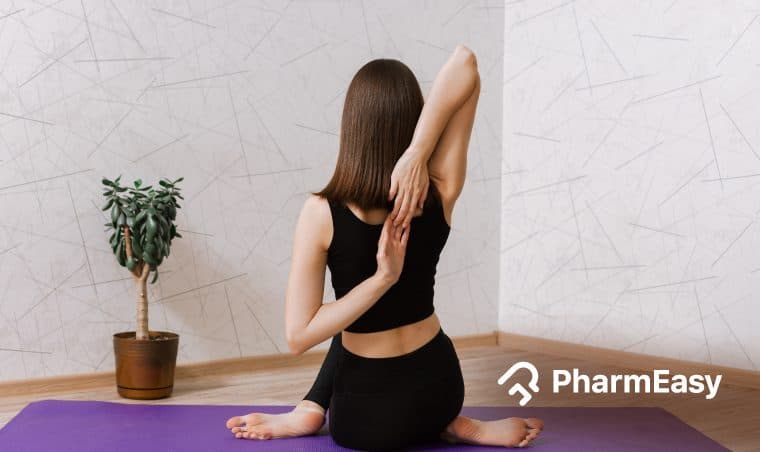
Cow Face Pose: Unveiling the Asana for Holistic Well-being
Meena, 45, a homemaker from Jaipur, noticed her upper back felt perpetually stiff, especially after long hours spent managing her household. The monsoon season often aggravated her joint discomfort, making simple movements feel challenging. She recalled her grandmother performing various postures daily, attributing her lifelong agility to them.
Driven by a desire for relief and improved mobility, Meena decided to explore yoga, specifically seeking poses that could address her upper back and neck strain. Her search led her to the Cow Face Pose.
In practical terms, integrating yoga into our busy lives can seem daunting, but its advantages are undeniable. The Cow Face Pose, in particular, offers a unique set of benefits that resonate deeply with the physical demands many of us face. Have you ever wondered why certain postures are revered across generations for their therapeutic effects?
The Ancient Wisdom of the Cow Face Pose
The Cow Face Pose, translating literally to 'cow face pose' due to the visual resemblance of the bent arms to a cow's face, is a seated posture that works wonders for the upper body. Its origins are deeply rooted in ancient Indian yogic traditions, passed down through oral lineages and scriptural texts.
That alone changes everything.
The posture is renowned for its ability to open the chest and upper back, improve spinal flexibility, and calm the mind. In many cases, the sedentary nature of modern life leads to postural issues and chronic stiffness, making postures like the Cow Face Pose incredibly relevant today.
Unlocking the Multifarious Benefits
The advantages of consistently engaging in the Cow Face Pose are extensive, touching upon physical, mental, and even emotional well-being. Let's explore these in detail:
Physical Enhancements
- Improved Upper Back and Arm Flexibility: This is perhaps the most celebrated benefit. The deep stretch provided by the Cow Face Pose releases tension in the upper back joints and surrounding muscles. This can be particularly beneficial for individuals experiencing stiffness from prolonged desk work or repetitive motions. Studies suggest that regular stretching can optimise range of motion by up to 30%.
- Enhanced Chest Opening: By drawing the arms back and opening the chest, the posture encourages better posture and can alleviate symptoms associated with rounded upper backs. This expansive action also facilitates deeper breathing.
- Spinal Decompression: While seated, the gentle elongation of the spine helps to create space between the vertebrae, potentially relieving mild back pain and improving overall spinal health.
- Strengthening the Core: Maintaining an upright posture throughout the posture engages the abdominal muscles, contributing to a stronger core.
- Therapeutic for Sciatica and Frozen Upper Back: Honestly, for those suffering from mild sciatica or the debilitating effects of a frozen upper back, the Cow Face Pose, when performed with modifications, can offer significant relief. It's crucial, however, to approach these conditions with extreme caution.
- Stimulation of Abdominal Organs: The gentle compression and stretching in the abdominal region can aid digestion and stimulate the function of organs like the liver and kidneys.
Mental and Emotional Upliftment
The physical benefits often pave the way for profound mental and emotional improvements.
- Stress and Anxiety Reduction: The deep breathing encouraged by the open chest, coupled with the physical release of tension, has a powerful calming effect on the nervous system. This can significantly reduce feelings of stress and anxiety. Research published in 'The Lancet Psychiatry' highlights the efficacy of yoga in managing anxiety disorders, with regular engagement showing marked improvements.
- Improved Concentration: The focus required to maintain the posture and coordinate breath with movement sharpens mental clarity and concentration.
- Promotes Mindfulness: Like all yoga postures, the Cow Face Pose encourages participants to be present in the moment, fostering a sense of mindfulness and self-awareness.
The Cultural Resonance of Cow Pose
In India, the cow is revered as a symbol of nurturing and abundance. The name Cow Face Pose thus imbues the posture with a sense of gentle power and life-giving energy.
It's an engagement that connects us to ancient traditions, reminding us of the profound wisdom embedded in our cultural heritage. Imagine performing this posture while seated comfortably on a woven floor mat during a quiet morning – a simple yet potent connection to ancestral ways.
Mastering the Cow Face Pose: A Step-by-Step Guide
What should you actually do to perform the Cow Face Pose correctly and safely? Follow these steps:
- Starting Position: Begin in a comfortable seated position, such as Easy Pose or Lotus Pose. Ensure your spine is erect and your upper back is relaxed. Many find sitting on a cushion or folded blanket helpful for maintaining hip alignment and spinal length, especially if floor sitting is challenging.
- Right Arm Up: Inhale and raise your right arm towards the ceiling. Bend your right elbow, allowing your right hand to drop down behind your head, palm facing your back.
- Left Arm Down: Exhale and extend your left arm out to the side. Bend your left elbow, bringing your left hand down towards the middle of your back, palm facing away from you.
- Interlocking Fingers: Try to interlock the fingers of your right and left hands behind your back. If you cannot reach, don't force it. Use a yoga strap or towel to bridge the gap. The goal is to deepen the stretch gradually over time.
- Posture and Breath: Keep your head facing forward, chin parallel to the floor. Lengthen your spine and keep your upper back relaxed, drawing them away from your ears. Breathe deeply and steadily, allowing the breath to fill your chest and abdomen. Hold the posture for 5-8 deep breaths.
- Releasing the Pose: Gently release your clasped hands. Bring your arms back to your sides.
- Switching Sides: Repeat the process on the other side, bringing your left arm up and your right arm down. Hold for the same duration.
Modifications and Precautions for Safe Engagement
Here's the thing — yoga is adaptable. The Cow Face Pose can be modified to suit different levels of flexibility and specific physical conditions.
- Tight Upper Backs: If interlocking fingers is impossible, use a strap, belt, or towel. Hold the strap with the upper hand and reach down with the lower hand to grasp it. Gradually work towards bringing your hands closer.
- Knee Issues: If crossing your legs is uncomfortable or painful, engage in the Cow Face Pose while seated on a chair. Ensure your feet are flat on the floor.
- Neck Pain: Avoid tilting your head back too far if you have neck issues. Keep your gaze forward.
- High Blood Pressure: Individuals with hypertension should engage in this posture with caution and consult their doctor. The International Diabetes Federation (IDF) also notes that stress management through activities like yoga can positively impact diabetes management, but medical advice is paramount.
- Pregnancy: Pregnant women should consult their healthcare provider before attempting the Cow Face Pose, especially in later trimesnums. Modifications may be necessary.
Engaging under the guidance of a qualified yoga instructor, especially one familiar with Indian yogic traditions, is highly recommended. Institutions like the All India Institute of Medical Sciences (AIIMS) often emphasize the importance of expert guidance for therapeutic yoga activities.
Common Mistakes to Avoid
To maximize the benefits and prevent injury, be mindful of these frequent pitfalls:
- Slouching: Avoid rounding your spine or upper back. Maintain an erect posture throughout.
- Forcing the Stretch: Never force your hands to meet. Use props and be patient with your progress. Overstraining can lead to muscle tears or joint injuries.
- Holding Your Breath: Remember to breathe deeply and continuously. Holding your breath can increase tension.
- Uneven Engagement: Ensure you engage in the posture equally on both sides to maintain balance in the body.
The World Health Organization (WHO) advocates for incorporating physical activity into daily routines, and yoga, with its holistic approach, is an excellent choice. Over 101 million Indians have diabetes (ICMR, 2023), and while yoga isn't a direct cure, its role in stress management and improving metabolic health is increasingly recognized.
That alone changes everything.
Integrating the Cow Face Pose into Your Routine
Incorporating the Cow Face Pose into your daily or weekly yoga routine can yield meaningful results over time. Start with shorter holds, perhaps 3-5 breaths per side, and gradually increase the duration as your flexibility improves. It can be a wonderful posture to engage in the morning to awaken the body or in the evening to release the day's accumulated tension.
The key is consistency. Even 10-15 minutes of focused yoga engagement daily can make a remarkable difference.
Key Takeaways
- The Cow Face Pose significantly improves upper back and chest flexibility while releasing upper body tension.
- The posture aids in spinal elongation, potentially alleviating mild back discomfort and improving posture.
- Regular engagement helps reduce stress and anxiety by calming the nervous system and promoting mindful breathing.
- Modifications using straps or chairs make the Cow Face Pose accessible even for beginners or those with physical limitations.
- Always prioritize proper alignment and breath awareness, and consult a healthcare professional for pre-existing conditions.
Always consult a qualified physician before making any medical decisions.