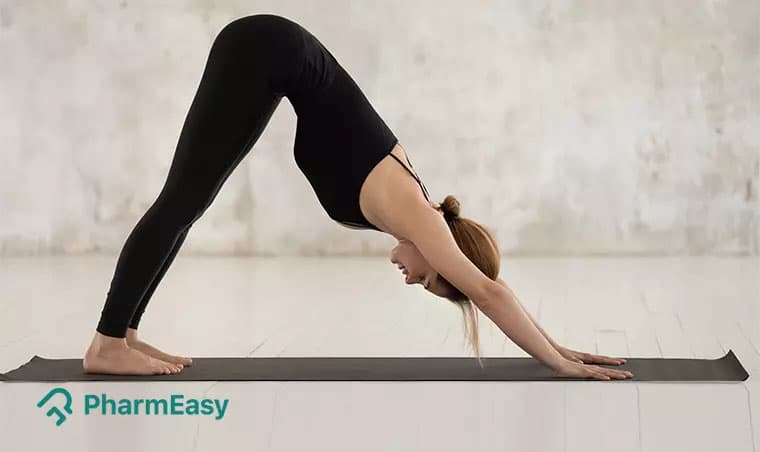
Unlock Your Body's Potential: The Transformative Power of Downward Facing Dog
Meena, 45, a homemaker from Jaipur, noticed persistent stiffness in her upper back and a dull ache in her lower back. The daily chores, coupled with occasional floor sitting during family gatherings, left her feeling drained and stiff. Sound familiar?
Many Indians, juggling work, family, and traditional practices, experience similar bodily discomforts. Adho Mukha Svanasana, more commonly known as Downward Facing Dog, is a foundational yoga posture that offers a remarkable antidote to these modern-day ailments.
This ancient asana, deeply rooted in Hatha Yoga, is more than just a stretch; it's a full-body workout that invigorates, strengthens, and calms. Its accessibility makes it a favourite among beginners and seasoned practitioners alike.
In many cases, incorporating this pose into your daily routine can lead to profound improvements in bodily and mental well-being.
The Multifaceted Benefits of Adho Mukha Svanasana
The advantages of regularly practicing Downward Facing Dog are extensive, impacting nearly every system in the body. From enhancing bodily strength to promoting mental clarity, its benefits are truly holistic.
Recovery is rarely linear.
Bodily Enhancements: Strength and Suppleness
Downward Dog is a potent pose for building strength. It engages and tones the arms, upper back, wrists, and legs. The sustained effort required to hold the pose strengthens the muscles in your upper body, which can be particularly beneficial for individuals who spend long hours at desks or engage in repetitive tasks. Simultaneously, it stretches the hamstrings, calves, and the arches of your feet, improving overall suppleness. This is crucial for maintaining good posture and preventing injuries, especially as we age. For instance, a study published in the Journal of Physical Therapy Science highlighted that regular yoga practice, including poses like Downward Dog, can significantly improve hamstring suppleness, with participants showing an average increase of 15% in range of motion.
Honestly, the feeling of lengthening the spine in this pose is unparalleled. It helps to decompress the vertebrae, offering much-needed relief for those suffering from mild back pain.
The increased blood flow to the brain, a direct result of the inversion aspect of the pose, also contributes to improved cognitive function and can help alleviate headaches. Over 101 million Indians have diabetes (ICMR, 2023), and while not a direct cure, yoga’s role in stress reduction and improved circulation can complement management strategies.
Stress Reduction and Mental Well-being
In today's fast-paced world, stress is a pervasive issue. Downward Facing Dog is renowned for its calming effect on the nervous system. By slightly inverting the body, it allows blood to flow towards the head, which can enable to quiet the mind and reduce anxiety.
The rhythmic breathing that accompanies the pose further enhances this meditative quality. Regular practice has been shown to lower cortisol levels, the body's primary stress hormone. The World Health Organization (WHO) estimates that anxiety disorders affect millions globally, and simple, accessible practices like yoga can be a vital tool in managing these conditions.
So what does that mean for you? It means that dedicating just a few minutes each day to this pose can translate into a calmer, more resilient mental state, better equipped to handle life's challenges.
Recovery is rarely linear.
This is especially relevant during festive seasons like Diwali, where increased social obligations and dietary changes can often lead to heightened stress levels.
Improved Digestion and Circulation
The gentle inversion in Downward Dog can stimulate the abdominal organs, promoting better digestion and alleviating issues like bloating and constipation. Improved blood circulation is another significant benefit. The pose encourages oxygenated blood to flow more freely throughout the body, nourishing cells and organs.
This enhanced circulation can contribute to increased energy levels and a stronger immune system. The International Diabetes Federation (IDF) reports that India has the second-highest number of people with diabetes globally, underscoring the importance of lifestyle interventions that support overall metabolic health.
Other Notable Advantages
Practitioners often report an increase in energy levels, a sense of grounding, and improved balance. It can also benefit to open up the chest and upper back, counteracting the effects of prolonged sitting or slouching.
This posture is particularly beneficial for runners, improving hamstring suppleness and strengthening the calves. Worth knowing: The pose can also benefit to strengthen the bones in the arms and legs, potentially playing a role in preventing osteoporosis, a condition that affects a marked portion of the elderly population in India.
Most people overlook this completely.
Mastering Adho Mukha Svanasana: A Step-by-Step Guide
Performing Downward Facing Dog correctly is key to reaping its benefits and avoiding potential strain. Follow these steps carefully:
Getting into the Pose
- Start on your palms and shins: Position yourself on a yoga mat, ensuring your palms are directly beneath your upper back and your shins are hip-width apart, directly beneath your hips.
- Tuck your toes: Curl the toes of both feet under.
- Lift your hips: As you exhale, lift your hips up and back towards the ceiling, straightening your legs as much as your suppleness allows. Your body should form an inverted 'V' shape.
- Palm placement: Keep your palms shoulder-width apart, fingers spread wide, pressing firmly into the mat. Your index fingers should point straight ahead or slightly inward.
- Foot placement: Your feet should be hip-width apart. Initially, you may need to keep your knees slightly bent, especially if your hamstrings are tight. The goal is to lengthen your spine, not to get your heels to the floor.
- Head and neck: Let your head hang freely between your arms. Relax your neck and jaw. Gaze softly towards your feet or navel.
Holding the Pose
Breathe deeply and evenly. Engage your core muscles to support your spine. Press actively through your palms and the balls of your feet. Aim to hold the pose for 5-10 breaths initially, gradually increasing the duration as you become more comfortable.
Coming Out of the Pose
Gently bend your knees and lower them back to the mat, returning to your palms and shins position. Take a moment to rest before moving into another pose.
Common Modifications and Tips
Does this sound familiar? Many beginners struggle with tight hamstrings or wrist discomfort. Here are some adjustments:
- Bent Knees: If your hamstrings feel very tight, keep a generous bend in your knees. Focus on lengthening your spine.
- Heels Lifted: It's perfectly fine if your heels don't touch the floor. Prioritize spinal alignment over heel placement.
- Wrist Support: If you experience wrist pain, place a rolled-up mat or a folded blanket under the heels of your palms. Alternatively, you can practice with your forearms on the mat (Forearm Plank variation).
- Using Blocks: Place yoga blocks under your palms if you have limited upper back mobility or find it difficult to achieve the correct palm placement.
- Wall Support: For added stability, you can practice with your palms on a wall, leaning your hips back.
Practically speaking, listening to your body is paramount. Never push into pain. The journey with yoga is progressive, and consistency yields the best results.
When to Be Cautious
While Adho Mukha Svanasana is generally safe, individuals with certain conditions should exercise caution. Those with high blood pressure, carpal tunnel syndrome, or recent injuries to the wrists, upper back, or back should consult their physician or a qualified yoga therapist before attempting the pose.
Pregnant women should also seek guidance, as modifications are often necessary. Remember, safety first.
Conclusion: Embracing the Downward Dog for a Healthier You
Adho Mukha Svanasana is a powerful yet accessible yoga posture that offers a wealth of benefits for the body and mind. Its ability to strengthen, stretch, and calm makes it an invaluable addition to any wellness routine, especially for those navigating the demands of modern Indian life.
By understanding the correct technique and incorporating mindful modifications, you can safely harness the transformative potential of this iconic pose. The Lancet, a leading medical journal, has repeatedly published studies highlighting the positive impact of regular bodily activity, including yoga, on cardiovascular health and overall longevity.
The numbers don't lie.
Key Takeaways:
- Adho Mukha Svanasana strengthens arms, upper back, legs, and core muscles.
- The pose significantly improves suppleness, particularly in the hamstrings and calves.
- Regular practice helps reduce stress, anxiety, and promotes mental calmness.
- It aids in improving digestion and boosting blood circulation throughout the body.
- Modifications are available to accommodate different suppleness levels and bodily conditions.
Always consult a qualified physician before making any medical decisions.