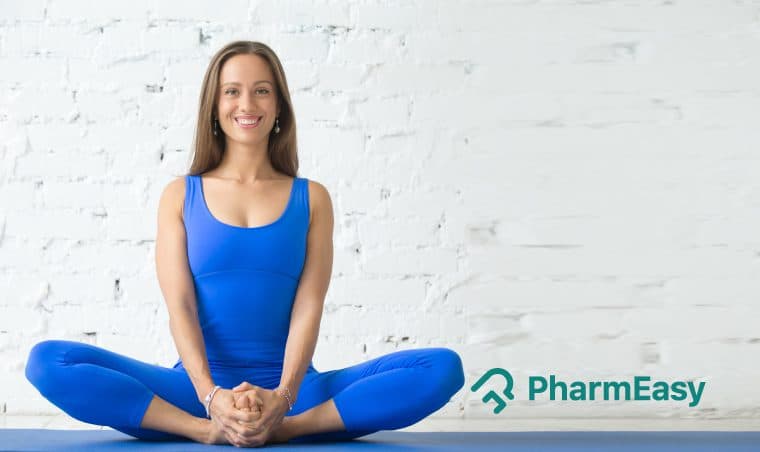
The Gentle Power of Baddha Konasana: Unlocking the Benefits of Butterfly Pose
Meena, 45, a homemaker from Jaipur, noticed a persistent stiffness in her hips and lower back. After spending hours on the floor attending to household chores and family, she often felt a deep ache that no amount of stretching seemed to alleviate.
Her yoga instructor suggested trying Baddha Konasana, or Butterfly Pose. Initially, the posture felt challenging, but with consistent practice, Meena experienced remarkable relief and a newfound sense of ease in her body.
This ancient yoga posture, deeply rooted in Indian wellness traditions, offers a wealth of physical and mental benefits. The reality is, many of us lead sedentary lives, contributing to tight hips and poor posture.
Baddha Konasana directly addresses these issues, promoting suppleness and releasing tension accumulated over years of inactivity or prolonged sitting — a common scenario during long festivals or even daily work routines.
It sounds simple. It rarely is.
Understanding Baddha Konasana: The Butterfly's Grace
Baddha Konasana, literally translating to 'bound angle pose,' mimics the shape of a butterfly's wings. It is a foundational pose, particularly effective for opening the hips and groin area.
Its accessibility makes it suitable for many kinds of practitioners, from beginners to seasoned yogis. The pose primarily targets the adductor muscles (inner thighs), hip flexors, and pelvic floor.
Practically speaking, the advantages extend far beyond mere physical stretching. The subtle inward rotation of the thighs, combined with the upright posture, encourages better blood circulation in the pelvic region.
This can be particularly beneficial for women's reproductive well-being and can also aid in managing conditions like sciatica. The International Diabetes Federation (IDF) highlights the importance of regular physical activity for managing diabetes, and poses like Baddha Konasana contribute to overall metabolic wellness by improving circulation and reducing stress.
Key Benefits of Practicing Butterfly Pose
The advantages of incorporating Baddha Konasana into your yoga regimen are numerous. Let's explore some of the most significant ones.
1. Enhanced Hip and Groin Flexibility
The primary benefit of Baddha Konasana is its profound ability to open the hips and stretch the inner thighs. This is crucial for individuals who spend a lot of time sitting, whether at a desk or on the floor. A study published in The Lancet indicated that prolonged sitting is linked to an increased risk of cardiovascular disease and metabolic syndrome. Releasing tightness in the hips can improve mobility, reduce the possibility of injury, and alleviate lower back pain often caused by tight hip flexors. Over 101 million Indians have diabetes (ICMR, 2023), and maintaining good circulation and suppleness is vital for overall well-being management.
2. Relief from Sciatica and Lower Back Pain
Tightness in the hips and hamstrings can contribute significantly to lower back pain and sciatica. Baddha Konasana helps to release this tension by gently stretching the muscles surrounding the hips and pelvis.
This can alleviate nerve compression and provide much-needed relief. The posture encourages a natural alignment of the spine when practiced correctly, further supporting back well-being.
3. Improved Pelvic Health and Reproductive Function
The pose is renowned for its positive impact on the pelvic floor muscles and reproductive organs. By increasing blood flow to the pelvic region, it can help regulate menstrual cycles, ease menstrual discomfort, and support reproductive well-being.
That alone changes everything.
For pregnant women, it can prepare the body for labor by opening the hips. Worth knowing: The WHO recommends regular physical activity for overall well-being, and yoga, including Baddha Konasana, plays a marked role.
4. Stress Reduction and Mental Calmness
As with many yoga poses, Baddha Konasana has a powerful calming effect on the nervous system. The subtle hip opening can release stored emotional tension and stress. Coupled with mindful breathing, the pose promotes relaxation, reduces anxiety, and fosters a sense of inner peace.
So what does this mean for you? It means a natural way to de-stress after a demanding day.
5. Stimulation of Abdominal Organs
The subtle compression and stretching in the abdominal area can stimulate the digestive and urinary systems. This can aid in improving digestion, relieving constipation, and promoting better kidney function. The posture encourages a healthy internal environment.
6. Preparation for Deeper Poses
Baddha Konasana serves as an excellent preparatory posture for more advanced hip-opening asanas like Padmasana (Lotus Pose) or Marichyasana. Mastering this pose builds the necessary suppleness and strength in the hips and groin, making subsequent poses more accessible and safer to attempt.
The numbers don't lie.
How to Practice Baddha Konasana Safely and Effectively
Performing Baddha Konasana correctly is paramount to reaping its benefits and avoiding injury. Here’s a step-by-step guide:
Step-by-Step Instructions
- Start Seated: Begin in a comfortable seated position, perhaps Dandasana (Staff Pose), with your legs extended straight in front of you. Ensure your spine is erect.
- Bend Knees and Join Soles: Bend your knees and bring the soles of your feet together. Let your feet draw in towards your pelvis. The distance your feet are from your body is a personal choice; closer to the pelvis intensifies the stretch.
- Hold Your Feet: Clasp your hands around your feet — either your ankles or your toes, whichever feels more comfortable. You can also use a strap around your feet if suppleness is limited.
- Upright Spine: Actively lengthen your spine, drawing your shoulders down and away from your ears. Imagine a string pulling the crown of your head towards the ceiling.
- Subtle Descent: Allow your knees to fall outwards and downwards towards the floor. The goal is not to force the knees down but to let gravity do the work. You should feel a mild stretch in your inner thighs and groins.
- Engage Core (Optional): For added spinal length, you can gently engage your abdominal muscles, drawing your navel slightly towards your spine.
- Hold the Pose: Remain in the posture for 5-10 deep breaths, focusing on smooth, even inhales and exhales. With practice, you can extend this duration to 30 seconds or longer.
- Release: To exit the posture, gently use your hands to bring your knees back together. Straighten your legs and shake them out.
Modifications and Tips for All Levels
But why does this happen? Because bodies are different! Modifications make sure everyone can safely experience the benefits of Baddha Konasana.
- For Tight Hips: Place blocks or folded blankets under your knees or hips for support. This reduces the intensity of the stretch and prevents strain. Sitting on a cushion or folded blanket can assist tilt the pelvis forward, making it easier to maintain an upright spine.
- For Limited Suppleness: Use a yoga strap around your feet to enable draw them closer or to assist in maintaining an upright posture. Don't force the posture; a mild stretch is more beneficial than pushing into pain.
- Forward Fold (Advanced): Once you can comfortably hold the upright version, you can explore a mild forward fold. Hinge from your hips, keeping your spine long, and allow your torso to move forward. This deepens the stretch in the hips and groin.
- Breathing: Always focus on deep, diaphragmatic breathing. Inhale to lengthen the spine, and exhale to deepen the stretch or relax into the posture.
- Listen to Your Body: This is the most crucial tip. Never push beyond your body's limits. Pain is a signal to back off.
widespread Mistakes to Avoid
Even a seemingly simple pose like Baddha Konasana can be practiced incorrectly. Being aware of frequent pitfalls can benefit you get the most out of your practice.
- Slouching: Rounding the spine and collapsing the chest is counterproductive. Always strive for an erect spine to protect your back and maximize the posture's benefits.
- Forcing Knees Down: Pushing your knees towards the floor with force can strain your hip joints and inner thighs. Let gravity and relaxation do the work.
- Holding Breath: Holding your breath restricts blood flow and increases tension. Conscious, deep breathing is essential for relaxation and effectiveness.
- Feet Too Far Away: While personal comfort is key, if your feet are extremely far from your pelvis, the stretch might be minimal. Experiment to find a distance that provides a beneficial sensation without strain.
Expert Insights from Dr. Himani Bisht
As a medical professional and yoga enthusiast, I've seen firsthand how Baddha Konasana can transform physical well-being. Its simplicity belies its profound impact. The posture is a testament to the ancient wisdom of yoga, offering accessible therapeutic benefits. Consider the consistent practice of yoga, including Baddha Konasana, as a form of preventative medicine.
Regular practice, even for 15-20 minutes daily, can significantly contribute to long-term well-being, potentially reducing the need for interventions later in life. The data on sedentary lifestyles and associated well-being risks, like those documented by the National Institute of Health (NIH) in the US, mirrors concerns in India about lifestyle diseases. Hence, incorporating such poses is a proactive step towards a healthier future.
The cultural context of India, with its tradition of sitting on the floor for extended periods, makes hip suppleness particularly important. Baddha Konasana directly addresses this need, helping to maintain joint well-being and prevent the stiffness that can arise from such postures.
The IDF reports that diabetes prevalence in India is alarming, and lifestyle modifications are key. Physical activity, like yoga, is a cornerstone of managing and preventing such chronic conditions.
Conclusion: Embrace the Butterfly's Ease
Baddha Konasana is more than just a yoga pose; it's an invitation to cultivate greater suppleness, release physical tension, and foster mental calm. Its subtle yet proven nature makes it an invaluable addition to any wellness routine, especially for those seeking relief from hip stiffness, lower back pain, or simply looking to enhance their overall physical and mental well-being.
It sounds simple. It rarely is.
Remember to approach the practice with patience, consistency, and a deep respect for your body's unique capabilities.
Key Takeaways:
- Baddha Konasana (Butterfly Pose) significantly improves hip and inner thigh suppleness.
- The posture offers relief from sciatica and lower back pain by releasing pelvic tension.
- It positively impacts pelvic well-being and can aid in regulating menstrual cycles.
- Regular practice contributes to stress reduction and mental calmness.
- Modifications exist to make the posture accessible for all levels of practitioners.
Always consult a qualified physician before making any medical decisions.