Understanding Ringworm: More Than Just a Ring
Meena, 45, a homemaker from Jaipur, noticed an itchy, red, circular rash on her arm after her children returned from playing outdoors during the monsoon season. Initially dismissing it as a minor irritation, the rash began to spread, causing her significant discomfort. This common scenario highlights the prevalence of superficial skin afflictions caused by microscopic organisms, affecting millions in India.
Despite its usual name, this condition has nothing to do with worms; it's caused by a group of microscopic organisms called dermatophytes. These organisms thrive in warm, moist environments, making India's climate, particularly during the humid monsoon months or in areas where people often sit on the floor for extended periods, an ideal breeding ground.
What most people miss: This skin ailment is highly contagious and can spread through direct skin-to-skin contact, contact with animals (like pets or livestock), or by touching contaminated objects and surfaces, such as clothing, towels, sports equipment, or even shower floors. In India, where sharing typical facilities and close living quarters are frequent, the transmission rate can be higher.
Understanding the nature of this affliction is the first step towards effective management and prevention.
typical Causes and Symptoms of Ringworm
The primary culprits behind this skin disorder are dermatophytes. These organisms feed on keratin, a protein found in the outer layers of your skin, hair, and nails. Several factors can increase your susceptibility to these ailments.
It sounds simple. It rarely is.
Excessive sweating, prolonged exposure to damp environments, wearing tight-fitting clothing that traps moisture, and minor skin injuries are all contributing elements. Honestly, the ease with which these organisms spread means that anyone can contract this concern, regardless of age or hygiene habits.
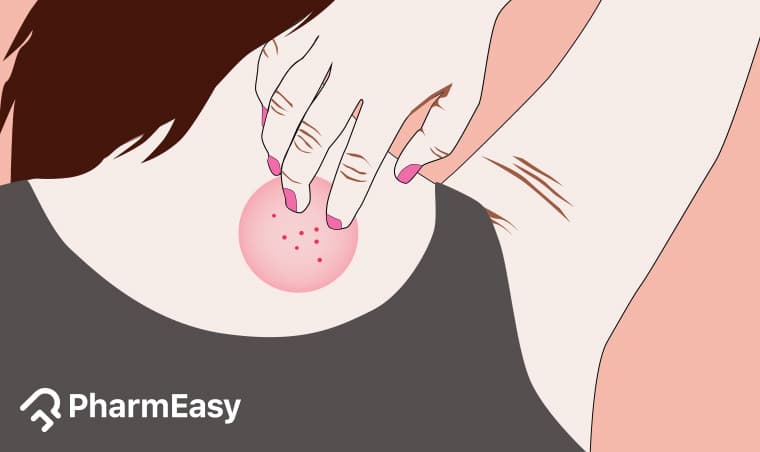
The characteristic symptom is a red, itchy, circular rash with a raised, scaly border, often resembling a worm coiled beneath the skin—hence the typical name. However, the appearance can vary. Sometimes, it might present as a scaly, red patch or patches that can be itchy. In other cases, it may appear as small, fluid-filled blisters.
The location on the body also influences its presentation. Tinea pedis, commonly known as athlete's foot, affects the feet, while tinea cruris (jock itch) impacts the groin area. Tinea capitis affects the scalp and can lead to hair loss in the affected patches. The World Health Organization (WHO) estimates that skin afflictions caused by microscopic organisms affect a notable portion of the global population, with this particular disorder being a widespread form.
But why does this happen? The microscopic organisms are ubiquitous in the environment. They can be found in soil, on animals, and on surfaces.
When conditions are favourable—warm, moist skin, minor abrasions—they can easily colonise and proliferate. This makes prevention a crucial aspect of managing this ailment, especially in a country like India where certain climatic and lifestyle factors can predispose individuals to these kinds of problems.
That alone changes everything.
Natural Home Remedies for Ringworm Relief
While medical treatment with specific creams and medications is often necessary for persistent or severe ailments, many natural remedies can offer major relief and aid in the healing process. These remedies, often rooted in traditional Indian practices, can help soothe itching, reduce inflammation, and combat the microscopic organism growth.
Worth knowing: The effectiveness of these remedies can vary from person to person, and it's always advisable to perform a patch test on a small area of skin first to check for any adverse reactions.
1. Turmeric (Haldi)
Turmeric, a staple in Indian kitchens and Ayurvedic medicine, possesses potent anti-inflammatory and antiseptic properties due to its active compound, curcumin. It's been used for centuries to treat various skin conditions. To use it for this disorder, create a paste by mixing turmeric powder with a little water or coconut oil.
Apply this paste directly to the affected area, leave it on for about 30 minutes, and then rinse it off with lukewarm water. Repeat this twice daily. Studies published in journals like 'The Lancet' have highlighted curcumin's capabilities against microscopic organisms.
2. Apple Cider Vinegar (ACV)
The acetic acid present in apple cider vinegar gives it properties that combat microscopic organisms. It can assist create an acidic environment that is hostile to the organisms causing this skin issue. Dilute raw, unfiltered ACV with an equal amount of water. Soak a cotton ball in the mixture and apply it gently to the rash.
Most people overlook this completely.
You might feel a stinging sensation, which is normal. Allow it to air dry. Do this 3-4 times a day. In many cases, this can provide quick relief from itching and support dry out the rash.
3. Coconut Oil
Coconut oil is known for its moisturising and properties that fight microscopic organisms, thanks to its lauric acid content. It can effectively combat the organisms responsible for this skin concern. Apply pure coconut oil liberally to the affected skin several times a day.
It's particularly soothing for itchy, dry patches and helps keep the skin moisturised, preventing cracking. Some find applying it before bedtime provides overnight relief.
4. Garlic
Garlic contains allicin, a compound with strong properties that fight microscopic organisms and bacteria. While its potent smell might be a deterrent for some, its effectiveness is well-documented. Crush a few cloves of garlic to make a paste. You can mix this paste with a carrier oil like olive oil or coconut oil to reduce potential irritation.
Apply the mixture to the affected skin lesion for about 15-20 minutes, then rinse thoroughly. Use this remedy once or twice daily. Be cautious, as raw garlic can sometimes irritate sensitive skin.
5. Tea Tree Oil
Extracted from the leaves of the Melaleuca alternifolia tree, tea tree oil is a powerful natural agent that combats microscopic organisms. It's widely recognised for its ability to treat various skin ailments. Because it's very potent, it must be diluted before application. Mix a few drops of tea tree oil with a carrier oil (like coconut or almond oil) and apply it to the affected area using a cotton swab.
Do this 2-3 times a day. Its antiseptic properties also support in preventing secondary bacterial issues. The National Institutes of Health (NIH) has published research supporting its actions against microscopic organisms.
Most people overlook this completely.
6. Neem
Neem is revered in Ayurveda for its medicinal properties, including its effects against microscopic organisms and bacteria. You can use neem in various forms. Applying a paste made from crushed neem leaves to the rash is a traditional method.
Alternatively, neem oil can be applied directly (though it has a strong odour) or diluted with a carrier oil. Neem leaf decoctions can also be used as a wash for the affected area. Its efficacy in combating skin issues caused by microscopic organisms is widely acknowledged across India.
7. Aloe Vera
Known for its soothing and healing properties, aloe vera gel can assist calm the inflammation and itching associated with this skin problem. The plant's natural compounds possess qualities that fight microscopic organisms and bacteria. Apply fresh aloe vera gel directly from the leaf to the affected skin.
Let it dry naturally before rinsing. This can be done multiple times a day. It provides a cooling sensation and promotes skin repair.
Preventing Ringworm Recurrence
Preventing this skin concern is as important as treating it. Since microscopic organisms thrive in warm, moist conditions, maintaining good hygiene and keeping the skin dry is paramount. After bathing or showering, thoroughly dry your skin, paying special attention to folds and between the toes. Wear breathable cotton clothing to allow air circulation and absorb moisture.
Here's where it gets interesting.
Avoid sharing personal items like towels, clothing, and bedding, especially if someone in the household has a skin issue caused by microscopic organisms. Regularly wash clothing, towels, and bedding in hot water. If you have pets, ensure they are regularly checked by a veterinarian for any skin afflictions, as they can be a prevalent source of transmission. The Indian Council of Medical Research (ICMR) often publishes guidelines on public health issues, including hygiene practices to prevent these kinds of ailments.
So what does that mean for you? Implementing these preventive measures can significantly reduce your risk of contracting this skin issue or experiencing a recurrence. Especially during India's hot and humid climate, or after participating in activities that cause sweating, it's crucial to change out of damp clothes promptly and shower as soon as possible.
For individuals who engage in sports or have jobs requiring prolonged standing or physical exertion, paying extra attention to personal hygiene is key. Over 101 million Indians have diabetes (ICMR, 2023), a issue that can sometimes increase susceptibility to ailments, making diligent prevention even more vital for vulnerable populations.
When to Seek Professional Medical benefit
While natural remedies can be impactful for mild cases, it's essential to know when to consult a doctor. If the rash is severe, widespread, or spreading rapidly, medical attention is necessary. Signs of a secondary bacterial issue, such as increased redness, swelling, pain, or pus, also warrant immediate medical evaluation.
This is where most patients struggle.
Persistent indicators that do not improve after several weeks of home therapy should be discussed with a healthcare professional. A doctor can accurately diagnose the problem (as other skin problems can mimic this) and prescribe appropriate medications, which might include oral treatments for extensive issues. The International Diabetes Federation (IDF) reports that individuals with diabetes are at higher possibility for skin problems, including those caused by microscopic organisms.
Always consult a qualified physician before making any medical decisions.
Key Takeaways
- This skin disorder is a contagious ailment caused by microscopic organisms, not by a worm, thriving in warm, moist conditions prevalent in India.
- Natural remedies like turmeric, apple cider vinegar, coconut oil, garlic, tea tree oil, neem, and aloe vera can benefit manage warning signs and fight the microscopic organisms.
- Maintaining good hygiene, keeping skin dry, and avoiding sharing personal items are crucial for preventing this skin disorder and its recurrence.
- Seek medical advice if the affliction is severe, widespread, shows signs of bacterial involvement, or doesn't enhance with home management.
- Over 101 million Indians have diabetes (ICMR, 2023), and these individuals may be more susceptible to skin issues caused by microscopic organisms.