Simple Home Solutions For Skin Ailments!
Meena, 45, a homemaker from Jaipur, noticed an itchy, red rash spreading across her arm after the monsoon rains. It wasn't just uncomfortable; it was becoming a constant source of embarrassment. She tried a few over-the-counter creams, but the relief was temporary. This scenario is all too familiar for millions in India.
Skin ailments, often appearing as itchy, scaly patches, can affect anyone, anywhere. The reality is, our climate and lifestyle create a breeding ground for these persistent nuisances. From the humid monsoons to the festive season's richer diets, our skin faces constant challenges.
What most people miss is that while clinical treatments are effective, simple, natural solutions can offer significant relief and support healing, especially for milder cases. Honestly, harnessing the power of ingredients readily available in Indian kitchens can be a game-changer.
These solutions often work by creating an environment inhospitable to microbial growth or by directly inhibiting the spread of the ailment. Practically speaking, understanding the cause and employing the right home care can prevent many conditions from becoming severe.
The numbers don't lie.
Understanding Skin Ailments
Skin ailments are caused by microscopic organisms called microbes that live in the environment all around us. They thrive in warm, moist conditions. Common culprits include yeasts and dermatophytes, which can affect the skin, hair, and nails.
Athlete's foot (tinea pedis), ringworm (tinea corporis), jock itch (tinea cruris), and yeast infections (candida) are among the most prevalent types seen in India. The Indian Council of Medical Research (ICMR) reports that skin issues, including microbial ones, are a meaningful reason for primary healthcare visits.
Does this sound familiar? The persistent itch, the unsightly appearance, and the worry about spreading it to loved ones. These ailments can be triggered by various factors: prolonged exposure to moisture, sweating, wearing tight clothing, poor hygiene, or even a weakened immune system.
For instance, during the monsoon season, increased humidity creates an ideal environment for microbes to flourish, leading to a surge in cases across cities like Mumbai and Kolkata. Floor sitting, frequent in many Indian households, can also expose bare feet to microbes in communal areas if hygiene is not meticulously maintained.
That alone changes everything.
Natural Allies: Home Solutions That Work
Fortunately, your kitchen pantry might hold the key to alleviating your microbial woes. These solutions are often gentle, cost-reliable, and have been used for generations.
While they may not replace potent clinical medications for severe or widespread ailments, they can be incredibly powerful for early-stage or recurring milder issues. Remember, consistency is crucial when using any home solution.
1. Tea Tree Oil: Nature's Antiseptic Powerhouse
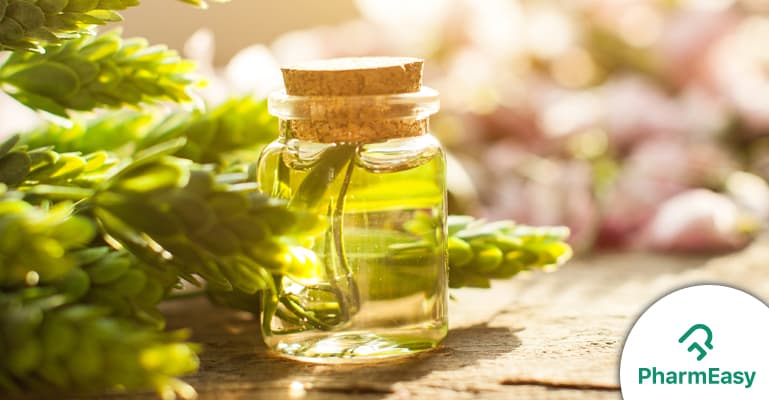
Derived from the leaves of the tea tree plant, this essential oil possesses potent antimicrobial and antiseptic properties. It has been studied for its effectiveness against various microbial strains. A study published in The Lancet Infectious Diseases highlighted the broad-spectrum antimicrobial activity of tea tree oil. Dilute a few drops of tea tree oil with a carrier oil like olive oil or almond oil (about 1-2 drops of tea tree oil per teaspoon of carrier oil) and apply it directly to the affected area twice daily. Ensure you perform a patch test first to check for any skin sensitivity, as pure tea tree oil can be irritating for some.
2. Apple Cider Vinegar (ACV): The Acidity Shield
The acetic acid in apple cider vinegar can help alter the pH of the skin, making it less hospitable for microbes. Its mild astringent properties also benefit dry out the ailment. You can use ACV in a few ways: soak a cotton ball in diluted ACV (equal parts water and ACV) and apply it to the affected skin for 15-20 minutes, then rinse.
Alternatively, add half a cup of ACV to a warm bath and soak for 20 minutes. Repeat this process once or twice daily. Be aware that undiluted ACV can cause a burning sensation, so always dilute it properly.
3. Almond Oil: Moisturizing and Soothing
Almond oil contains medium-chain fatty acids that offer natural skin-soothing properties. It's also a great moisturizer, which can aid soothe dry, cracked skin often associated with skin conditions. Simply apply virgin almond oil directly to the affected area several times a day.
Most people overlook this completely.
Its gentle nature makes it suitable for sensitive skin areas and for prolonged use. The International Diabetes Federation (IDF) notes that good skin hygiene and moisturizing are particularly important for individuals with diabetes, who are more prone to skin issues.
4. Garlic: A Potent Natural Antimicrobial
Garlic is renowned for its powerful antimicrobial compound, allicin. While it might sound unusual, applying garlic topically can be powerful. Crush a few cloves of garlic to form a paste. You can mix this paste with a bit of olive oil or almond oil to make it easier to apply and to reduce potential irritation.
Apply the paste to the afflicted area, leave it on for about 15-30 minutes, and then rinse thoroughly. Repeat this once or twice a day. The pungent smell is a small price to pay for its potent effects.
5. Turmeric: The Golden Healer
Turmeric, a staple in Indian kitchens and Ayurvedic medicine, has long been celebrated for its anti-inflammatory and antimicrobial properties, thanks to its active compound, curcumin. It can aid combat skin ailments and soothe inflamed skin. Make a paste by mixing turmeric powder with a little water or almond oil.
The numbers don't lie.
Apply this paste to the affected skin, leave it on for 20-30 minutes, and then wash it off. Regular application can yield noticeable results.
6. Neem: India's Ancient Antiseptic
Neem is revered in Indian culture for its medicinal properties. Its leaves and bark possess strong antimicrobial, antibacterial, and antiviral qualities. You can make a neem paste by grinding fresh neem leaves with a little water.
Apply this paste to the afflicted areas and let it dry before washing off. Alternatively, boiling neem leaves in water, letting it cool, and using the water to wash the affected skin can also be beneficial. Over 85% of Indian households have access to neem trees, making this a readily available solution.
Prevention: The Best Defence
While home solutions can enable manage existing ailments, preventing them in the first place is paramount. The World Health Organization (WHO) emphasizes that good hygiene practices are fundamental in preventing the spread of ailments. Here are some practical tips:
- Keep Skin Dry: Microbes love moisture. Dry your skin thoroughly, especially after bathing, swimming, or sweating. Pay close attention to areas between your toes and underarms.
- Wear Breathable Clothing: Opt for loose-fitting clothes made of natural fabrics like cotton. This allows air to circulate and reduces moisture buildup. Avoid synthetic materials that trap heat and sweat.
- Practice Good Foot Hygiene: Change socks daily, especially if you sweat a lot. Wear sandals or flip-flops in public places like swimming pools, gyms, and locker rooms.
- Avoid Sharing Personal Items: Do not share towels, clothing, or footwear with others, as this can easily spread microbial spores.
- Manage Underlying Conditions: Conditions like diabetes or a weakened immune system can increase susceptibility to skin ailments. Managing these conditions effectively, as recommended by healthcare professionals, is crucial. According to ICMR data from 2023, over 101 million Indians have diabetes, highlighting the need for proactive health management.
When to Seek Professional support
While home solutions can be very successful for mild cases, it's essential to know when to consult a doctor. If the ailment is severe, widespread, doesn't improve after a couple of weeks of home treatment, or if you experience signs of secondary bacterial infection (like increased redness, swelling, pus, or fever), seek clinical advice promptly.
Most people overlook this completely.
A healthcare professional at AIIMS or your local clinic can accurately diagnose the ailment and prescribe appropriate treatments, which might be necessary for stubborn or deep-seated cases. Remember, self-treating severe ailments can lead to complications.
Key Takeaways
- Natural ingredients like tea tree oil, apple cider vinegar, almond oil, garlic, turmeric, and neem have proven antimicrobial properties.
- These home solutions are best suited for mild to moderate skin ailments and can complement clinical treatments.
- Maintaining good hygiene, keeping skin dry, and wearing breathable clothing are crucial for preventing skin ailments.
- Individuals with diabetes or compromised immune systems are at higher risk and should be particularly vigilant about prevention and seeking timely clinical care.
- Skin ailments are prevalent in India, especially during the humid monsoon season, but can be effectively managed with consistent home care and clinical guidance when needed.
Always consult a qualified physician before making any health decisions.