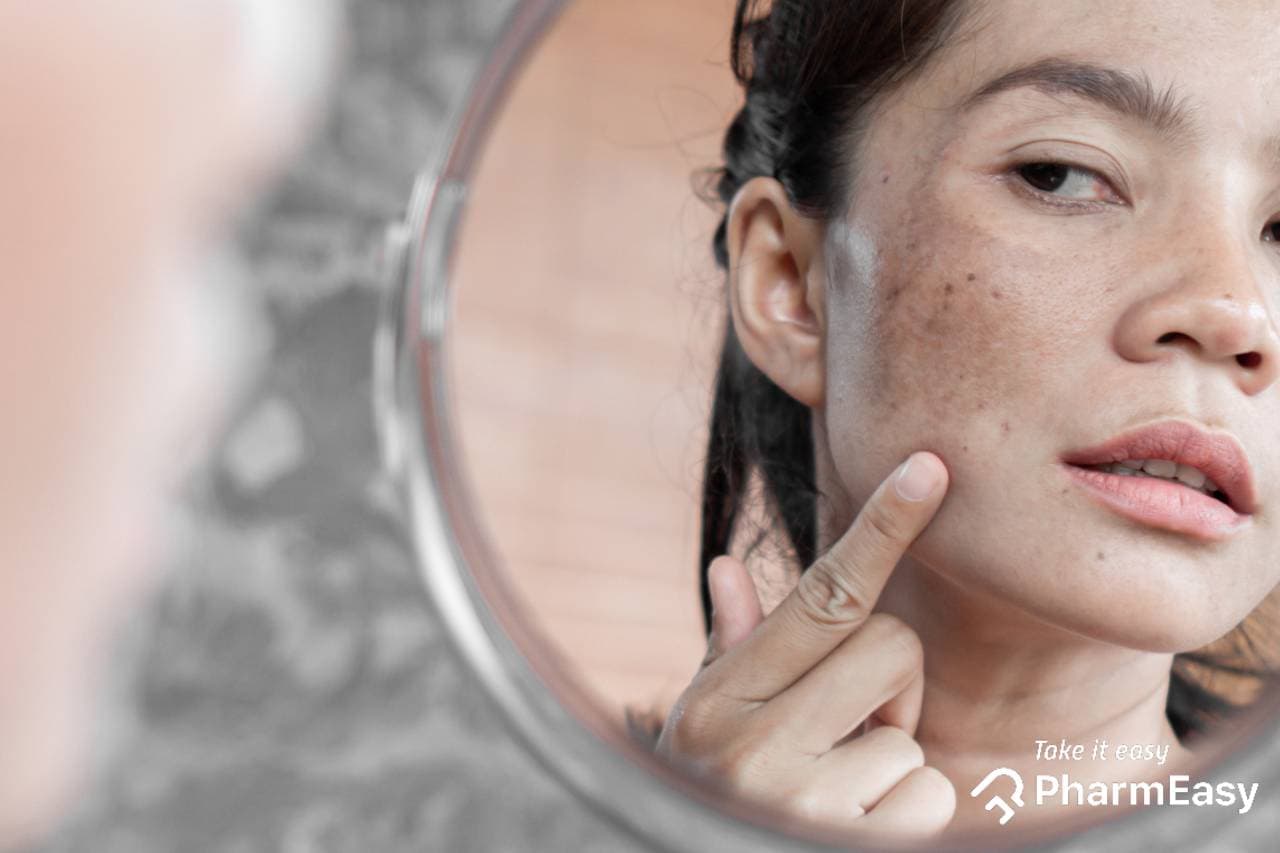
Best Ways to Reduce Dark Spots On The Face
Meena, 45, a homemaker from Jaipur, noticed those stubborn dark marks on her cheeks becoming more prominent after the monsoon. She worried they made her look older and less radiant, especially during family gatherings. Have you ever wondered why these unwelcome guests appear on our skin, particularly in India’s diverse climate?
Understanding the root cause of skin discoloration is the first step towards achieving a clearer, more even complexion. These darker areas, sometimes referred to medically as post-inflammatory hyperpigmentation (PIH) or melasma, are a common concern for many, especially those with Indian skin tones.
They can be triggered by various factors, including sun exposure, hormonal shifts, inflammation from acne, or even certain medications. In many cases, darker skin tones are more prone to developing these marks due to increased pigment production.
The prevalence of skin pigmentation issues is significant. According to a study published in the Indian Journal of Dermatology, over 60% of individuals seeking dermatological consultation in India report concerns related to skin darkening. This underscores the widespread nature of the problem and the need for beneficial, accessible solutions.
Understanding Hyperpigmentation: The Culprit Behind Dark Spots
Hyperpigmentation occurs when the skin produces more melanin, the pigment responsible for our skin, hair, and eye colour. This overproduction can lead to patches of skin becoming darker than the surrounding areas. Several frequent triggers contribute to this phenomenon:
Here's where it gets interesting.
- Sun Exposure: The sun's ultraviolet (UV) rays stimulate pigment production as a protective mechanism. Prolonged or unprotected sun exposure is a primary driver of darker areas, especially on parts frequently exposed, like the face and neck.
- Post-Inflammatory Hyperpigmentation (PIH): This is a usual consequence of skin inflammation, such as from acne, eczema, psoriasis, or even minor injuries. After the initial inflammation subsides, the affected area can become darker. Think about it this way: the skin tries to heal itself, and sometimes this healing process leaves a darker mark.
- Melasma: Frequently called the 'mask of pregnancy', melasma is characterized by larger patches of darkened skin, typically on the face. It's strongly linked to hormonal fluctuations, commonly seen during pregnancy, while using birth control pills, or due to hormone replacement therapy. Sun exposure significantly worsens melasma.
- Age Spots (Solar Lentigines): These are small, flat dark marks that appear on sun-exposed areas, particularly after age 50. They are a direct result of cumulative sun damage over many years.
Worth knowing: The intensity of these marks can fluctuate with seasons. For instance, the harsh Indian summer sun can exacerbate pigmentation, making it appear more pronounced. Likewise, the dampness of the monsoon can sometimes trigger inflammatory responses in the skin, leading to PIH.
Beneficial Treatments for Dark Spots
Addressing darker areas requires a consistent and often multi-pronged approach. While severe cases may require professional intervention, many can be managed effectively with the right skincare and lifestyle changes. Here are some of the best ways:
Topical Treatments & Ingredients
Several active ingredients are renowned for their ability to fade darker areas. They work by inhibiting pigment production, increasing cell turnover, or brightening the skin.
- Vitamin C (Ascorbic Acid): A potent antioxidant, Vitamin C not only brightens the skin but also protects it from sun damage. It works by inhibiting the enzyme tyrosinase, which is crucial for pigment production. Look for serums with concentrations between 10-20%.
- Niacinamide (Vitamin B3): This versatile ingredient helps reduce the transfer of pigment within the skin cells, thereby lightening darker areas. It also has anti-inflammatory properties, making it beneficial for PIH. It's well-tolerated by most skin types.
- Retinoids (Retinol, Tretinoin): These Vitamin A derivatives accelerate skin cell turnover, helping to shed pigmented cells faster and reveal newer, brighter skin underneath. Prescription-strength tretinoin is more potent than over-the-counter retinol. Start with a low concentration and use it sparingly, as it can cause initial dryness and peeling.
- Alpha Hydroxy Acids (AHAs) like Glycolic Acid and Lactic Acid: AHAs exfoliate the superficial layers of the skin, helping to remove pigmented cells and improve skin texture. Glycolic acid is a smaller molecule and penetrates deeper, while lactic acid is gentler.
- Kojic Acid and Azelaic Acid: Kojic acid is derived from fungi and inhibits pigment production. Azelaic acid, found in wheat and barley, has anti-inflammatory and exfoliating properties, making it beneficial for PIH and melasma.
What most people miss: Consistency is key. Using these ingredients regularly as part of your skincare routine yields the best results. A study by the National Institutes of Health (NIH) indicated that consistent use of topical agents can lead to a noticeable reduction in skin darkening within 8-12 weeks.
Professional Dermatological Procedures
For stubborn or extensive skin darkening, dermatologists offer several procedures:
- Chemical Peels: These involve applying a chemical solution to the skin to remove outer layers, revealing smoother, less pigmented skin. Superficial peels use mild acids, while medium and deep peels penetrate further for more dramatic results.
- Laser Therapy: Various lasers, like Q-switched lasers or fractional lasers, target pigment in the skin, breaking it down. This is often very helpful for PIH and sun marks but requires multiple sessions.
- Microdermabrasion: This minimally invasive procedure uses a special device to exfoliate the outer layer of the skin. It's best suited for milder forms of skin darkening.
These procedures, while beneficial, can be more expensive and may require downtime. Always discuss the risks and benefits with your dermatologist. The Indian Association of Dermatologists, Venereologists and Leprologists (IADVL) recommends consulting a specialist for personalized treatment plans.
Most people overlook this completely.
Home Remedies and Lifestyle Adjustments
While professional treatments and potent topicals are powerful, certain natural remedies and lifestyle changes can complement your journey to clearer skin. Remember, these typically work best for milder cases or as preventative measures.
- Turmeric Paste: A staple in Indian households, turmeric contains curcumin, which has anti-inflammatory and antioxidant properties that can help brighten the skin. Mix a pinch of turmeric with yogurt or milk to form a paste and apply it to the face for 15-20 minutes before rinsing.
- Aloe Vera: Known for its soothing and healing properties, aloe vera gel can support reduce inflammation and may lighten darker marks over time. Apply fresh gel directly from the plant to the affected areas.
- Papaya: This fruit contains enzymes like papain, which act as natural exfoliants, helping to remove dead skin cells and reveal brighter skin. Mash ripe papaya and apply it as a face mask.
- Lemon Juice (Use with Caution): Lemon juice is a natural bleaching agent due to its citric acid content. However, it's highly acidic and can cause photosensitivity and irritation. If you choose to use it, dilute it significantly with water and apply only at night, followed by strict sun protection the next day. Many dermatologists advise against its direct application due to potential damage.
Think about it this way: incorporating these natural ingredients into your routine, perhaps while enjoying a cup of chai after a long day, can be a soothing ritual. However, their effectiveness varies greatly among individuals.
The Crucial Role of Sun Protection
Perhaps the single most important step in preventing and treating darker areas is diligent sun protection. Without it, any other management efforts can be undermined. Over 1.5 million cases of skin cancer are diagnosed annually worldwide, and UV radiation is a primary contributing factor, but its role in skin darkening is equally considerable.
- Use Broad-Spectrum Sunscreen Daily: Choose a sunscreen with SPF 30 or higher that protects against both UVA and UVB rays. Apply it generously every morning, even on cloudy days, and reapply every two hours if you're outdoors. Mineral sunscreens containing zinc oxide and titanium dioxide are generally well-tolerated.
- Seek Shade: Avoid prolonged sun exposure, especially during peak hours (10 AM to 4 PM).
- Wear Protective Clothing: Hats with wide brims and sunglasses can shield your face from direct sunlight.
Does this sound familiar? You diligently apply your treatments, but the marks seem to reappear or even darken. The likely culprit is inadequate sun protection. The World Health Organization (WHO) emphasizes the importance of sun safety for preventing skin damage and premature aging.
It sounds simple. It rarely is.
Dietary Considerations and Hydration
While not a direct management, a healthy diet and adequate hydration can support overall skin health, potentially aiding in the skin's natural repair processes. Antioxidant-rich foods like berries, leafy greens, and colourful vegetables can enable combat free radical damage that contributes to skin aging and pigmentation.
Staying well-hydrated is also crucial for maintaining skin elasticity and function. Some research, including studies highlighted by the International Diabetes Federation (IDF), suggests that managing underlying health conditions like diabetes can indirectly benefit skin health.
When to See a Doctor
While many darker areas can be managed at home, it's essential to consult a qualified physician or dermatologist if:
- The marks change in size, shape, or colour rapidly.
- You are unsure about the cause of the darker areas.
- Home remedies and over-the-counter treatments are not beneficial after several months.
- The skin darkening is causing major emotional distress.
A dermatologist can accurately diagnose the cause of your darker areas—whether it's melasma, PIH, or something else—and recommend the most appropriate intervention plan. For example, AIIMS (All India Institute of Medical Sciences) dermatology departments are equipped to handle complex dermatological cases.
Key Takeaways
- Skin darkening is caused by excess pigment production, triggered by sun exposure, inflammation, or hormonal changes.
- Beneficial topical ingredients include Vitamin C, Niacinamide, Retinoids, and AHAs.
- Consistent and diligent sun protection (SPF 30+) is paramount for preventing and treating darker areas.
- Professional treatments like chemical peels and laser therapy offer faster results for stubborn pigmentation.
- Home remedies like turmeric and aloe vera can offer complementary benefits for milder concerns.
Always consult a qualified physician before making any medical decisions.