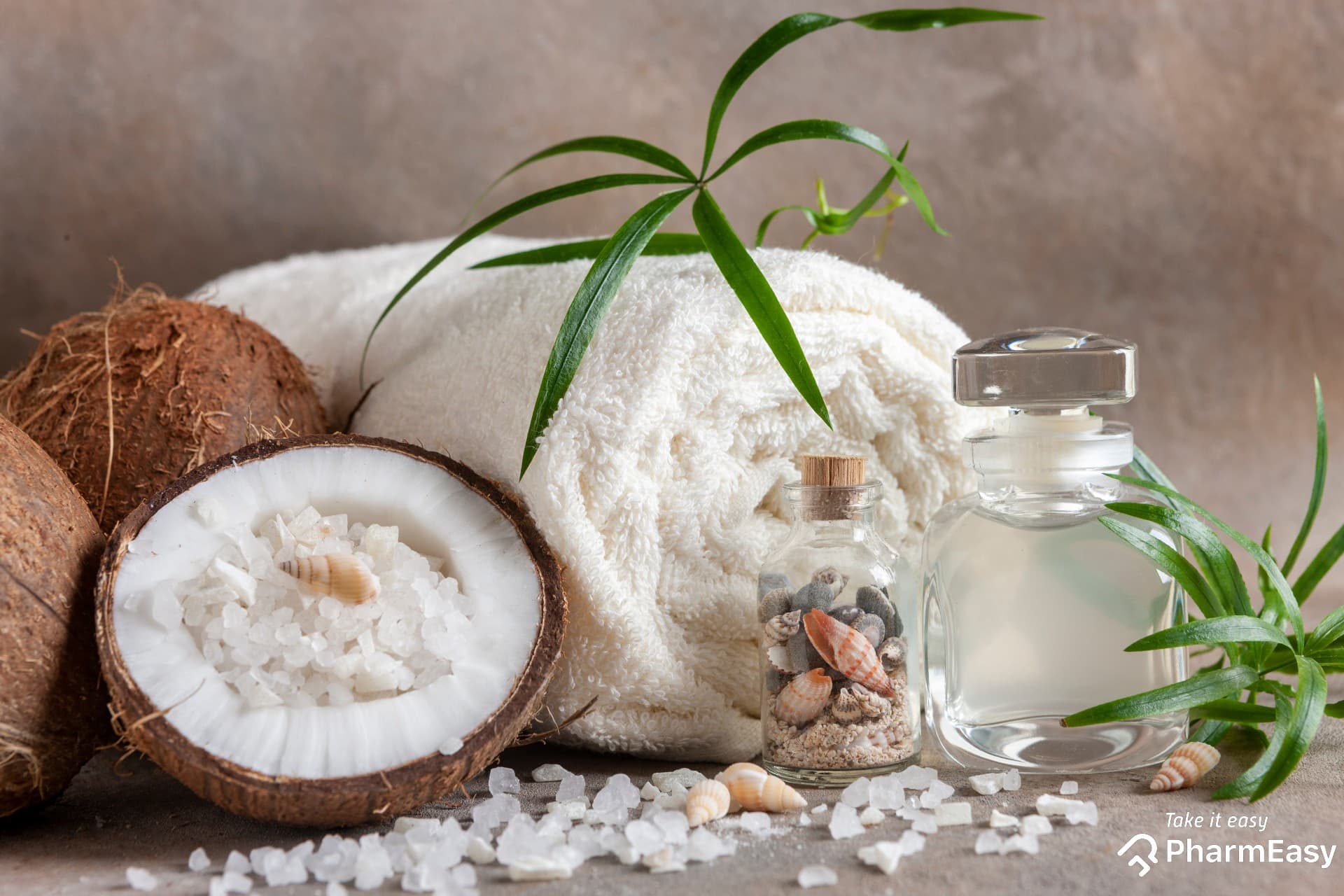
Unlock the Power of Coconut Oil for Radiant Skin and Lustrous Hair
Meena, 45, a homemaker from Jaipur, noticed her skin felt perpetually dry and her hair lacked its former shine, particularly after the monsoon season left it brittle. She remembered her grandmother using this oil for everything – from cooking to applying it generously on her scalp.
This age-old practice, deeply rooted in Indian culture, is now being validated by modern science for its remarkable advantages for both skin and hair. What most people miss: this humble kitchen staple offers a treasure trove of inherent goodness.
Honestly, the sheer versatility of this oil makes it a standout in the realm of inherent remedies. Its unique fatty acid profile, particularly lauric acid, allows it to penetrate deeply into the skin and hair shafts, offering effects that synthetic products often struggle to replicate.
In many cases, people turn to expensive, chemical-laden products when a simple, inherent solution is readily available in their kitchens.
Skin Benefits: Nature's Moisturizer and Protector
The skin is our body's largest organ, and keeping it healthy is paramount. This oil has been used for centuries in India as an inherent emollient and moisturizer. Its ability to hydrate the skin is exceptional. The medium-chain fatty acids (MCFAs) present in this oil, such as lauric acid and capric acid, possess antimicrobial properties. These properties can help combat certain bacteria and fungi that may lead to skin infections or acne. Studies have shown that virgin coconut oil can significantly improve skin hydration and increase its lipid content, making it an effective inherent moisturizer for individuals with dry or sensitive skin. A study published in the Journal of Cosmetic Science found that this oil was more successful than mineral oil at improving skin hydration and reducing transepidermal water loss (TEWL).
But why does this happen? The molecular structure of MCFAs allows them to penetrate the outer layers of the skin more easily than larger fatty acids found in other oils. This deep penetration helps to replenish lost moisture and create a protective barrier, preventing further dehydration.
Most people overlook this completely.
This is particularly advantageous in India's diverse climate, where harsh summers can strip the skin of its inherent oils, and the dry winter air can lead to flakiness and irritation. For many, particularly those who spend time sitting on the floor, a common practice in many Indian homes, keeping the skin on their legs and feet moisturized is a constant battle against dryness.
Additionally, this oil exhibits anti-inflammatory properties. This means it can assist soothe irritated skin, reduce redness, and alleviate symptoms associated with conditions like eczema and psoriasis. While not a cure, it can be a valuable complementary treatment.
Research suggests that topical application of this oil can reduce inflammation markers in the skin. The World Health Organization (WHO) also acknowledges the traditional use of plant-based oils for skin health, highlighting their potential therapeutic value.
What about wound healing? Some evidence suggests that this oil can aid in the wound healing process. Its antimicrobial and anti-inflammatory actions, combined with its ability to keep the skin moist, may create an optimal environment for tissue repair.
That alone changes everything.
However, it's crucial to remember that for significant wounds, professional medical attention is indispensable. For minor cuts and scrapes, its application might offer some advantage.
Here's the thing: when considering this oil for facial skin, it's essential to choose virgin or extra-virgin varieties, which are less processed and retain more beneficial compounds. While it can be a fantastic inherent makeup remover, individuals prone to acne should perform a patch test, as the oil can be comedogenic for some.
Over 80% of Indian women experience some form of skin concern, ranging from dryness to acne, and inherent remedies like this oil are often sought after.
Hair Benefits: Nourishment, Shine, and Growth
The advantages of this oil for hair are perhaps even more widely recognized, particularly in India, where it's a staple in hair care routines. For centuries, Indian women have massaged this oil into their scalps and hair, attributing their thick, lustrous locks to this practice.
The primary reason for its efficacy lies in its ability to penetrate the hair shaft. Unlike many other oils, its molecular weight and structure allow it to reach the inner layers of the hair, providing deep conditioning and nourishment from within.
Regular application of this oil can aid reduce protein loss from hair, which is a marked factor in hair damage. Hair is primarily composed of protein, and exposure to environmental stressors, heat styling, and chemical treatments can degrade this protein. A study published in the International Journal of Trichology demonstrated that this oil significantly reduces hair breakage and improves hair strength compared to other oils. This is vital information for millions in India who frequently use heat styling tools or undergo chemical treatments like coloring and straightening.
So what does that mean for you? It means healthier, stronger hair that is less prone to breakage and split ends.
The moisturizing properties of this oil also aid to combat dryness and frizz, leaving hair smoother and more manageable. This is especially true during the festive season, when elaborate hairstyles might involve notable manipulation, or during the monsoon, when humidity can wreak havoc on hair texture.
That alone changes everything.
Additionally, applying this oil to the scalp can have meaningful advantages. It helps to moisturize a dry, itchy scalp, reducing dandruff. The antimicrobial properties can combat scalp infections that contribute to hair loss.
While claims of rapid hair growth should be approached with caution, a healthy scalp environment is undeniably crucial for optimal hair growth. The Indian Council of Medical Research (ICMR) highlights the growing concern over hair fall, with an estimated 30-40% of the Indian population experiencing some degree of hair loss.
How can you incorporate it? A simple hair mask can be made by warming up virgin coconut oil, massaging it into the scalp and hair, leaving it on for at least 30 minutes (or overnight for deeper conditioning), and then washing it out thoroughly.
This traditional Indian practice, often done before a bath, can transform dry, damaged hair into soft, shiny locks. It’s an inherent alternative to expensive salon treatments.
The International Diabetes Federation (IDF) notes that while lifestyle factors are key in managing diabetes, overall wellness, including hair and skin health, contributes to a better quality of life. Healthy hair and skin can boost confidence and well-being.
Here's where it gets interesting.
Choosing the Right Coconut Oil
Not all coconut oils are created equal. For therapeutic advantages related to skin and hair, it is highly recommended to opt for virgin or extra-virgin coconut oil. These types are typically cold-pressed, meaning they are processed without high heat, preserving their inherent nutrients and antioxidants.
Refined coconut oil, often used for cooking, undergoes more processing and may have fewer beneficial compounds. Always check the label for purity and extraction methods. Brands that adhere to international quality standards, often verified by institutions like the FSSAI (Food Safety and Standards Authority of India), are a good starting point.
Potential Considerations and Myths
Here's the thing: while this oil offers numerous advantages, it's not a universal panacea. As mentioned, it can be comedogenic for some individuals, meaning it can clog pores and potentially lead to breakouts, particularly on the face.
If you have oily or acne-prone skin, it's wise to use it sparingly on your face or opt for lighter oils. A patch test is always a good idea before applying it extensively.
Another point to consider is the quality of the oil. Coconut oil that is not pure or has been adulterated may not provide the desired advantages and could even cause adverse reactions.
Ensuring you purchase from reputable sources is paramount. The Lancet journal has published numerous studies on the efficacy of inherent ingredients, underscoring the importance of purity and quality in therapeutic applications.
It sounds simple. It rarely is.
Regarding hair, while it strengthens and conditions, it doesn't magically make hair grow faster. Hair growth is a complex biological process influenced by genetics, diet, and overall health.
However, by improving scalp health and reducing breakage, this oil can contribute to the appearance of healthier, longer hair over time. The number of hair follicles on the human scalp is genetically determined, typically ranging from 100,000 to 150,000, and while oil can optimize their environment, it cannot increase their number.
In India, where this oil is a cultural icon, understanding these distinctions ensures that its use is both powerful and safe. Approximately 70% of Indian households use this oil in some form, whether for cooking, beauty, or religious ceremonies, highlighting its deep integration into daily life.
Key Takeaways
- Virgin coconut oil deeply moisturizes skin and hair due to its unique fatty acid profile.
- It possesses antimicrobial and anti-inflammatory properties beneficial for skin conditions.
- Coconut oil penetrates the hair shaft, reducing protein loss and breakage, leading to stronger, healthier hair.
- Opt for virgin or extra-virgin coconut oil for maximum therapeutic advantages.
- Perform a patch test, particularly for facial skin, as it can be comedogenic for some individuals.
Always consult a qualified physician before making any medical decisions.