Home Care for a Brighter Smile: A Doctor's Perspective
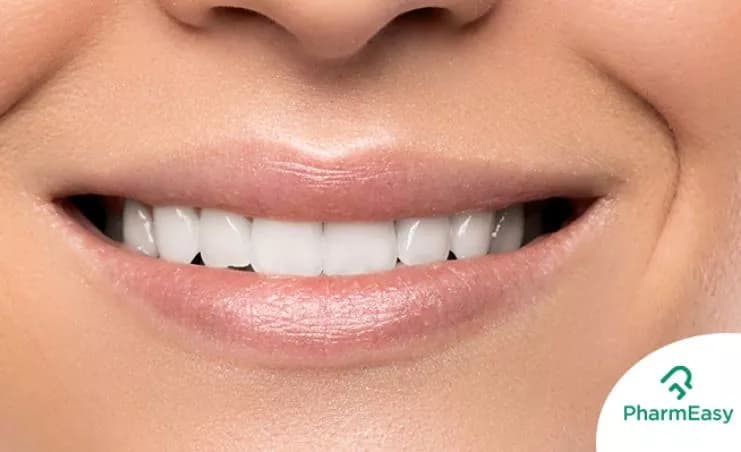
Meena, 45, a homemaker from Jaipur, observed her smile had lost some of its former radiance. Her enjoyment of coffee and traditional Indian sweets appeared to be contributing to this change. "My teeth have become quite yellow," she confided in her daughter, who promptly suggested exploring at-home solutions. This is a frequent worry for many.
In India, with its rich and diverse culinary landscape, consuming foods and beverages that cause discoloration is a part of everyday life. But what prompts this? Over time, the outer protective layer of our oral structures, known as enamel, can develop microscopic openings. These pores allow pigments from what we eat and drink to penetrate, leading to a duller appearance.
Achieving a more luminous smile doesn't invariably necessitate costly professional interventions. Numerous natural substances, readily accessible in Indian kitchens, can assist in gently lifting discolorations and restoring the inherent gleam of your oral structures. Dr.
Siddharth Gupta, a distinguished dental practitioner affiliated with Doctar, India's premier healthcare portal, highlights the significance of understanding these methods and employing them safely. A crucial point often overlooked is that consistent application and correct execution are vital for observing positive outcomes. We will examine some of these time-tested approaches, supported by general dental understanding and traditional knowledge.
Here's where it gets interesting.
Understanding Oral Discoloration
Before delving into potential solutions, it's essential to grasp the reasons behind a loss of oral brightness. Discoloration can arise from various origins, broadly classified as external and internal types.
External Discolorations
These represent the most frequent category and affect the outermost surface of the oral structures (enamel). They are typically caused by pigments from food and drinks. Consider your morning cup of chai or filter coffee, the vibrant hues in turmeric-rich dishes, or even a glass of red wine.
The use of tobacco is another significant factor contributing to external discoloration. These surface marks are generally more amenable to removal through diligent oral care and the home-based methods we will discuss.
Internal Discolorations
Internal discolorations originate from within the structure, impacting the dentin (the layer situated beneath the enamel). Contributing factors include trauma to the structure, excessive fluoride exposure during its developmental stages (fluorosis), certain pharmaceuticals (such as tetracycline antibiotics taken in childhood), or the natural progression of aging.
The numbers don't lie.
While home-based approaches might offer slight improvements for internal discolorations, they are typically less impactful than treatments administered by a professional. Does this sound familiar?
Effective Home-Based Approaches for Oral Brightening
Dr. Gupta advocates for a careful strategy, consistently emphasizing that these methods should supplement, not substitute, regular brushing and flossing. Excessive brushing or the improper use of abrasive agents can compromise the enamel.
1. Oil Swishing (Coconut Oil)
Oil swishing is an age-old Ayurvedic practice that has gained contemporary traction. Coconut oil, owing to its lauric acid content, is thought to possess qualities that help diminish plaque and microbial presence, which can contribute to discoloration. The gentle swirling motion is believed to draw out impurities and residue from the mouth.
Method: Measure approximately one tablespoon of organic, cold-pressed coconut oil. Swish this around your mouth for 15-20 minutes, ensuring it reaches all areas. Avoid gargling or swallowing the oil, as it will have collected bacteria and debris. Discard it in a waste receptacle (not down the drain, as it can solidify and obstruct plumbing) and rinse your mouth thoroughly with warm water. then, follow your standard brushing and flossing regimen. Aim to perform this daily, ideally in the morning before consuming anything. While scientific validation specifically linking oil swishing to substantial oral brightening is limited, many individuals report a cleaner sensation and a more radiant appearance over time. Its primary advantage lies in enhancing overall oral hygiene, which indirectly assists in preventing discoloration.
2. Baking Soda (Sodium Bicarbonate)
Baking soda acts as a mild abrasive, capable of effectively polishing away surface discolorations from oral structures. It also fosters an alkaline environment within the mouth, which helps to curb the growth of bacteria that contribute to plaque and dullness.
It is a common ingredient in many Indian households, frequently used for cleaning purposes.
Method: Combine a small quantity of baking soda with water to create a paste. Apply this paste to your toothbrush and gently cleanse your oral structures for approximately one minute. Rinse thoroughly. As an alternative, you can integrate baking soda with your regular toothpaste. Employ this technique judiciously—no more than once or twice weekly—to prevent undue wear on your enamel. Excessive use can lead to heightened sensitivity and structural compromise. In truth, its abrasive quality demands respect.
3. Fruit Peels (Citrus, Banana)
Certain fruit skins possess compounds believed to aid in brightening oral structures. Citrus peels, for instance, contain d-limonene, a natural solvent, and citric acid, which may assist in breaking down discolorations.
The numbers don't lie.
Banana peels are rich in minerals such as potassium, magnesium, and manganese, which are thought to be absorbed by the oral structures, fortifying them and potentially lightening their hue.
Method:
- Citrus Peel: After consuming a citrus fruit, gently rub the inner white part of the peel against your oral structures for a couple of minutes. Rinse your mouth afterwards. You can also dry the peel, process it into a powder, mix it with a little baking soda, and use this mixture as a paste for brushing.
- Banana Peel: Rub the inner surface of a ripe banana peel against your oral structures for approximately two minutes. Allow the residue to remain on your oral structures for an additional five minutes before rinsing and brushing.
The efficacy of these approaches is largely based on personal accounts, and the acidic nature of citrus peels necessitates caution to avert enamel erosion. It's advisable to use them infrequently and rinse meticulously.
4. Apple Cider Vinegar (ACV)
Apple cider vinegar contains acetic acid and malic acid, which are thought to aid break down discolorations and eliminate bacteria. However, its acidity is its primary drawback. If applied incorrectly or too frequently, it can inflict considerable harm upon tooth enamel.
Method: Dilute ACV considerably with water (maintain a ratio of at least 1:3, ACV to water). Swish the diluted solution in your mouth for no longer than 30 seconds to one minute. Immediately and thoroughly rinse your mouth with plain water. Brush your oral structures thereafter to eliminate any residual acid. use this method very infrequently—perhaps once every few weeks—and only if your enamel is robust. It's worth noting: Numerous dental professionals advise against applying acidic substances like ACV directly to oral structures due to the risk of erosion.
5. Hydrogen Peroxide (Diluted)
Hydrogen peroxide is a bleaching agent that serves as the active component in many commercially available brightening products. In a diluted form, it can assist in breaking down discolorations. The World Health Organization (WHO) recognizes its utility in dental applications when managed appropriately.
Method: Employ a 3% hydrogen peroxide solution. Combine it with an equal volume of water for further dilution. Swish this solution in your mouth for approximately one minute, then expel it and rinse thoroughly with water. You can also moisten your toothbrush with the diluted solution and gently brush your oral structures. Use this technique with caution, no more than twice weekly. Prolonged or undiluted application can lead to gum irritation and enamel damage. Should you experience any discomfort, cease use immediately.
Crucial Considerations and Safeguards
Dr. Gupta strongly recommends integrating these methods into a sound oral hygiene regimen. Merely depending on home-based solutions without brushing and flossing is ineffective and potentially detrimental.
Recovery is rarely linear.
Regular dental examinations are also paramount. According to the Indian Dental Association (IDA), routine visits facilitate the early detection of decay or gum ailments, which can impact the appearance and well-being of your oral structures.
Key points to retain:
- Gentleness is paramount: Refrain from aggressive scrubbing or harsh constituents.
- Frequency is notable: Most home-based solutions should be used sparingly. Overindulgence can result in irreversible harm.
- Heed your body: If you encounter sensitivity or irritation, halt the treatment.
- Not universally suitable: These methods may not be appropriate for individuals with thin enamel, receding gum lines, or pre-existing oral conditions.
- Dietary Practices: Reducing the consumption of foods and beverages that cause discoloration (coffee, tea, red wine, brightly colored sodas, tobacco) is critical for sustaining improvements. Reflect on your daily chai intake!
A point frequently missed is that effectiveness varies considerably from one individual to another. What proves highly beneficial for one person may have minimal impact on another. Patience is a valuable attribute when employing natural approaches.
When to Seek Professional Dental Advice
While home-based solutions can provide a modest enhancement for surface discolorations, they cannot substitute for professional dental care. If you have deep internal discolorations, pronounced dullness, or are seeking dramatic aesthetic changes, consulting a dental professional is the most advisable course of action.
Dentists can offer interventions such as professional cleaning, custom whitening trays, or veneers, which are considerably more successful and safer for notable aesthetic concerns. The National Institute of Dental and Craniofacial Research (NIDCR) advises consulting dental practitioners for persistent or severe oral discoloration.
Recovery is rarely linear.
A dental expert can also ascertain the root cause of your discoloration and recommend the most suitable therapy strategy tailored to your unique requirements. Remember, healthy oral structures form the bedrock of an attractive smile.
Neglecting underlying oral health issues in pursuit of brightening can precipitate more serious complications later on.
Essential Takeaways
- Natural home-based methods like oil swishing and baking soda paste can aid in reducing surface oral discolorations when applied correctly and sparingly.
- Ingredients such as coconut oil and baking soda are commonly found in Indian kitchens and have a history of use in oral hygiene practices.
- Overuse of abrasive or acidic substances (like baking soda or apple cider vinegar) can compromise tooth enamel and lead to sensitivity.
- Professional dental treatments yield more considerable and dependable outcomes for moderate to severe oral discoloration compared to home-based remedies.
- Maintaining diligent oral hygiene through consistent brushing, flossing, and dental check-ups is fundamental for both oral well-being and the appearance of your oral structures.
Always seek guidance from a qualified medical professional before making any health-related decisions.