Preventing Antimicrobial Misuse: A Crucial Step for Indian Health
Meena, 45, a homemaker from Jaipur, noticed a persistent cough and fever after a bout of cold. Her neighbour suggested a strong antimicrobial, one that had worked for a similar ailment previously. Without consulting a doctor, Meena began the course. This common scenario highlights a significant challenge in India: the rampant misuse of antimicrobials.
Such practices contribute to the alarming rise of antimicrobial resistance, a global health crisis that threatens to make prevalent ailments untreatable. The reality is, India is at the forefront of this battle, with a substantial burden of antimicrobial-resistant microbes. Practically speaking, understanding and preventing antimicrobial misuse is no longer optional; it's a necessity for our collective well-being.
The Growing Threat of Antimicrobial Resistance
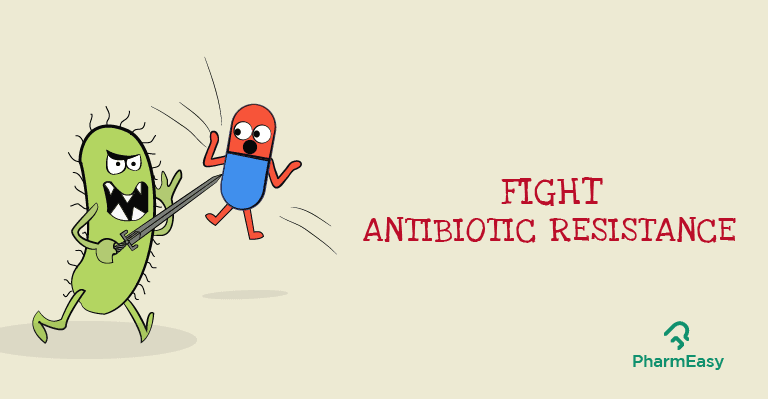
Antimicrobial resistance occurs when microbes evolve and change, becoming impervious to the drugs designed to kill them. Have you ever wondered why? This phenomenon is largely driven by the overuse and misuse of antimicrobials.
When microbes are exposed to an antimicrobial, most are killed, but some may survive and develop resistance. These resistant microbes then multiply, passing on their resistance traits. Over time, this can lead to 'superbugs' – microbes resistant to multiple antimicrobials, rendering treatments ineffective.
Most people overlook this completely.
The statistics are stark. The World Health Organization (WHO) estimates that by 2050, antimicrobial resistance could cause 10 million deaths annually worldwide. In India, the situation is particularly critical. A study published in The Lancet highlighted that antimicrobial resistance is a major cause of death and disability in the country. The Indian Council of Medical Research (ICMR) has also sounded the alarm, reporting that a meaningful percentage of hospital-acquired ailments are caused by multi-drug resistant organisms. Think about it this way: every time an antimicrobial is used unnecessarily or incorrectly, we are inadvertently contributing to the evolution of these dangerous superbugs.
Why is India Particularly Vulnerable?
Several factors contribute to India's vulnerability. Firstly, the widespread availability of antimicrobials without a prescription is a major concern. Many pharmacies dispense these life-saving drugs over the counter, often based on patient demand or the suggestion of well-meaning but unqualified individuals.
Secondly, a lack of awareness among the general public about the dangers of antimicrobial resistance plays a considerable role. People often demand antimicrobials for viral ailments like the widespread cold or flu, against which they are completely ineffective. Thirdly, incomplete courses of antimicrobials are frequently taken, which allows surviving microbes to develop resistance.
The cultural context also plays a part. During festive seasons, when diets change and social gatherings increase, minor ailments might be treated with readily available antimicrobials without proper medical consultation.
Additionally, the practice of sitting on floors, widespread in many Indian homes, can sometimes be associated with increased exposure to environmental microbes, leading some to self-medicate for minor discomforts they perceive as ailments. The sheer volume of antimicrobials used in agriculture and livestock also contributes to the overall pool of resistance genes in the environment.
That alone changes everything.
The Role of Patients in Combating Antimicrobial Misuse
Combating antimicrobial resistance requires a concerted effort, and those affected are at the heart of this movement. Your actions can make a substantial difference. The first and most crucial step is to **never self-medicate with antimicrobials**.
Antimicrobials are powerful drugs that should only be prescribed by a qualified healthcare professional after a proper diagnosis. Have you ever wondered why? Because a doctor can determine if your illness is bacterial (requiring antimicrobials) or viral (not treatable with antimicrobials) and select the most appropriate drug and dosage.
When you visit a doctor, be an active participant in your healthcare. Ask questions. Understand your diagnosis and the treatment plan. If antimicrobials are prescribed, ensure you know the correct dosage, frequency, and duration of the course.
It is vital to complete the entire prescribed course, even if you start feeling better before it's finished. Stopping early allows some microbes to survive and potentially develop resistance. The reality is, finishing the course is as important as starting it correctly.
That alone changes everything.
Educate Yourself and Your Community
Educating yourself is a powerful tool. Understand that antimicrobials are ineffective against viruses like those causing the typical cold, flu, or most sore throats and bronchitis.
Relying on antimicrobials for these conditions is not only useless but also harmful. Instead, focus on symptomatic relief for viral ailments – rest, hydration, and over-the-counter medications for fever and pain, as advised by your doctor.
Spread awareness within your family and community. Talk to your friends and neighbours about the dangers of antimicrobial misuse. Share information from credible sources like the WHO or ICMR.
Encourage them to consult a doctor for any illness and to follow medical advice strictly. Small conversations can lead to substantial changes in behaviour. Practically speaking, becoming an advocate for responsible antimicrobial use in your circle can have a ripple effect.
What Doctors and Healthcare Providers Can Do
While patient awareness is key, healthcare providers also bear major responsibility. specialists must adhere to evidence-based prescribing guidelines and avoid prescribing antimicrobials when they are not indicated. This includes resisting patient pressure for unnecessary prescriptions.
Implementing antimicrobial stewardship programs within hospitals and clinics is essential. These programs aim to optimize antimicrobial use, improve patient outcomes, and reduce the development of resistance. Institutions like AIIMS have been pioneers in implementing such programs in India.
That alone changes everything.
For healthcare professionals, it's about stewardship – the careful and responsible management of antimicrobial medicines. This involves prescribing the narrowest-spectrum antimicrobial effective for the specific ailment, at the lowest reliable dose, for the shortest necessary duration.
Regular training and updates on antimicrobial resistance patterns are crucial for staying abreast of the evolving threat. The challenge is immense, requiring a united front from all stakeholders in the healthcare ecosystem.
The Role of Policy and Regulation
Government policies and regulations play a pivotal role in curbing antimicrobial misuse. Stricter regulations on the over-the-counter sale of antimicrobials are necessary. Perhaps a nationwide campaign akin to public health initiatives during polio eradication could raise awareness substantially.
The government, in collaboration with bodies like the Indian Medical Association (IMA) and pharmaceutical companies, can work towards promoting responsible antimicrobial manufacturing and distribution practices. Strengthening surveillance systems to monitor antimicrobial use and resistance patterns across the country is also vital for informed policymaking. The International Diabetes Federation (IDF) has also highlighted the link between diabetes management and increased risk of ailments, underscoring the need for careful antimicrobial use in vulnerable populations.
The numbers don't lie.
Worth knowing: The misuse of antimicrobials extends beyond human medicine. A notable portion of antimicrobials are used in animal agriculture, contributing to environmental contamination and the spread of resistance.
Addressing this requires a One Health approach, recognizing the interconnectedness of human, animal, and environmental health. This holistic view is critical for proven long-term solutions.
Key Takeaways for individuals
- Never self-medicate with antimicrobials. Always consult a doctor for diagnosis and prescription.
- Complete the full course of antimicrobials as prescribed, even if you feel better.
- Understand that antimicrobials do not work against viruses like the typical cold or flu.
- Practice good hygiene to prevent ailments in the first place – frequent handwashing is key.
- Educate yourself and share knowledge about antimicrobial resistance with family and friends.
The fight against antimicrobial resistance is a long one, but it is a fight we must win. By understanding the risks and taking responsible actions, we can preserve the effectiveness of these life-saving drugs for ourselves and future generations. Does this sound familiar?
The power to combat this growing threat lies not just with specialists and policymakers, but with each one of us. Let us be mindful of our antimicrobial use.
Always consult a qualified physician before making any medical decisions.