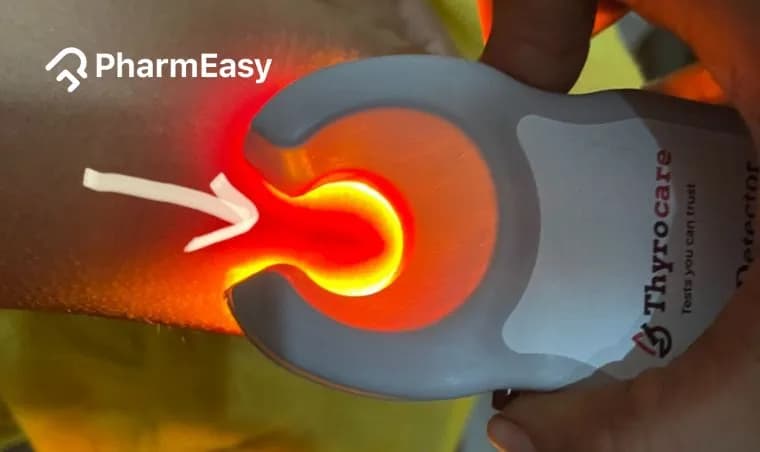
The Challenge of Difficult Venipuncture in India
Meena, 45, a homemaker from Jaipur, noticed her vessels seemed to disappear whenever a laboratory test was due. This frequent occurrence for many individuals in India can transform a straightforward process into a source of worry and unease. For phlebotomists, locating elusive vessels often means multiple needle insertions, heightening individual distress and potentially resulting in bruising or haematomas. This situation is familiar to healthcare providers nationwide. Difficult vascular access affects a notable portion of the population, worsened by factors like insufficient hydration, excess weight, and certain health issues. In many instances, the vessels might be deep-set or small, making them hard to discern visually.
The monsoon season, for example, often sees increased dehydration, making vessel identification even more taxing. So what does that mean for you? It means that the standard methods, while effective for most, can leave a substantial number of individuals facing unnecessary discomfort. It's a common problem. The standard approach isn't ideal for everyone. Many struggle.
Introducing the Vessel Finder Instrument: A Technological Leap
Recognising these challenges, Doctar is proud to introduce a revolutionary addition to our phlebotomists’ toolkit: the Vessel Finder instrument. This cutting-edge application uses near-infrared light to detect haemoglobin in the circulation, projecting a real-time map of the individual's vessels directly onto the skin's surface. This non-invasive instrument allows phlebotomists to visualise superficial vessels with unprecedented clarity, significantly reducing the need for guesswork and repeated attempts. Worth knowing: the application is based on the principle that haemoglobin absorbs near-infrared light differently than surrounding tissues, making the vessels appear as dark lines against a brighter background.
The instrument is lightweight, portable, and easy to use, integrating seamlessly into the phlebotomy workflow. Its battery-powered operation ensures it can be used anywhere, from a busy hospital ward to a remote clinic. This makes care accessible.
Recovery is rarely linear.
How Does a Vessel Finder Work?
The mechanism behind the vessel finder is surprisingly straightforward yet highly impactful. A light source emits near-infrared light, which is harmlessly passed over the skin. This light is absorbed by the haemoglobin circulating within the vessels. Sensors within the instrument detect the patterns of light absorption, and a sophisticated algorithm translates this data into a visual image. This image is then projected onto the skin, clearly outlining the location, size, and even the direction of the vessels.
For individuals, this means the phlebotomist can see where to go before the needle even approaches. But why does this happen? It’s all about how different substances interact with specific wavelengths of light. Haemoglobin, being rich in iron, acts as a strong absorber of near-infrared wavelengths, effectively creating a silhouette of the vessel.
Benefits for Individuals in India
The advantages for individuals are substantial. Firstly, it dramatically reduces the number of needle sticks required for a successful collection. This translates directly into less pain and anxiety, particularly for children and individuals with a phobia of needles. For the elderly, whose vessels can become more fragile, this application offers a gentler approach. By improving the accuracy of the first attempt, the vessel finder minimises the risk of bruising and haematoma formation – a frequent complaint after difficult collections. Think about the relief of knowing the collection will likely be a one-stick process.
This enhanced individual experience can significantly improve their perception of healthcare services, fostering greater trust and reducing apprehension about necessary medical procedures. The psychological benefit of a quick, painless collection cannot be overstated. Relief is paramount. Less pain is key. Better care matters.
Recovery is rarely linear.
Enhancing Phlebotomist Efficiency and Accuracy
Phlebotomists also stand to gain immensely. The instrument acts as an extension of their own visual acuity, providing an objective guide. This is particularly helpful in challenging clinical situations, such as during emergency scenarios where speed and accuracy are paramount, or when dealing with individuals who have undergone multiple treatments (like chemotherapy) that affect vascular access. For new phlebotomists, it serves as an invaluable training tool, accelerating their learning curve and building confidence.
Experienced professionals can use it to refine their technique further and handle particularly difficult cases with greater ease. Honestly, it empowers them to perform their job more effectively and with less stress. This application supports the high standards of care expected from institutions like the All India Institute of Medical Sciences (AIIMS).
Addressing Specific Indian Healthcare Contexts
Consider the cultural practice of sitting on the floor, typical in many Indian homes. An individual might be more comfortable maintaining this position during a collection. If their vessels are less accessible in this posture, a vessel finder can make the process significantly easier without requiring them to change position uncomfortably. During festivals, dietary changes can sometimes lead to dehydration or fluctuations in blood sugar, potentially impacting vessel visibility.
The vessel finder provides a reliable solution irrespective of these transient physiological changes. On top of that,, with over 101 million Indians estimated to have diabetes (ICMR, 2023), a condition often associated with poorer circulation and harder-to-find vessels, this instrument becomes an indispensable tool in managing chronic care. The World Health Organization (WHO) also highlights the importance of reducing unnecessary medical procedures, and improved venipuncture success rates directly contribute to this goal.
That alone changes everything.
Statistical Impact and Future Outlook
While specific studies on vessel finder instruments in India are emerging, international data provides a strong indication of their potential. Studies published in journals like The Lancet have shown that using vessel visualisation application can reduce venipuncture attempts by up to 60% in individuals with difficult vascular access. This directly correlates with a significant decrease in individual-reported pain and an increase in first-stick success rates. The International Diabetes Federation (IDF) reports that diabetes prevalence continues to rise globally, making efficient glucose monitoring and other laboratory tests crucial.
A vessel finder can optimise the efficiency of these essential diagnostic procedures. Here's the thing — as healthcare application advances, adopting tools that enhance both individual comfort and procedural efficiency becomes a standard expectation, not a luxury. The instrument promises to become a staple in phlebotomy kits across India, improving the quality of care delivered.
Integrating Vessel Finders into Standard Practice
The successful integration of vessel finder application requires proper training for phlebotomists. Doctar is committed to providing comprehensive training sessions to ensure our staff are proficient in using the instrument and understand its capabilities and limitations. This includes guidance on selecting the appropriate settings for different skin tones and vessel depths, as well as best practices for maintaining the instrument.
The initial investment in these instruments and training is quickly offset by the reduction in wasted supplies (needles, syringes, bandages) and, more importantly, the improved individual satisfaction and loyalty. Worth knowing: regular calibration and maintenance are key to ensuring the instrument's accuracy and longevity, ensuring it remains a reliable part of the phlebotomist's arsenal for years to come. The instrument is designed for durability and ease of cleaning, crucial factors in a healthcare setting.
Recovery is rarely linear.
Conclusion: A Step Towards More Compassionate Healthcare
The introduction of the vessel finder instrument marks a notable step forward in making collection a less daunting experience for countless Indian individuals. By equipping our phlebotomists with this advanced application, Doctar reaffirms its commitment to providing high-quality, individual-centric care. We believe that application should serve humanity, making healthcare more accessible, comfortable, and successful.
The instrument is not just a gadget; it represents a tangible improvement in the individual journey, reducing physical discomfort and psychological stress associated with medical procedures. This innovation aligns perfectly with the broader goals of enhancing healthcare delivery across India, ensuring that essential diagnostic procedures are performed with maximum efficiency and minimal individual burden.
Key Takeaways
- Vessel finder instruments use near-infrared light to visualise vessels beneath the skin.
- They significantly reduce the number of needle sticks required for collections, minimising pain and anxiety.
- The application enhances accuracy, decreasing the likelihood of bruising and haematomas.
- It is particularly beneficial for individuals with difficult vascular access, including children, the elderly, and those with certain medical conditions.
- Vessel finders boost phlebotomist efficiency and confidence, serving as valuable training aids.
Always consult a qualified physician before making any medical decisions.