Precautions For Thyroid Patients – Do’s & Dont’s
Meena, 45, a homemaker from Jaipur, noticed a persistent fatigue and unexplained weight gain over the past year. Her skin had become dry, and she felt perpetually cold, even during the warmer months. After consulting her doctor, she was diagnosed with hypothyroidism, a common glandular disorder.
Many Indians, like Meena, grapple with glandular issues, often unaware of the crucial lifestyle adjustments needed to manage their condition effectively. This guide aims to provide clear, actionable advice on the do's and don'ts for those affected with this situation, drawing from expert medical insights and addressing the unique context of India.
Understanding Glandular Disorders in India
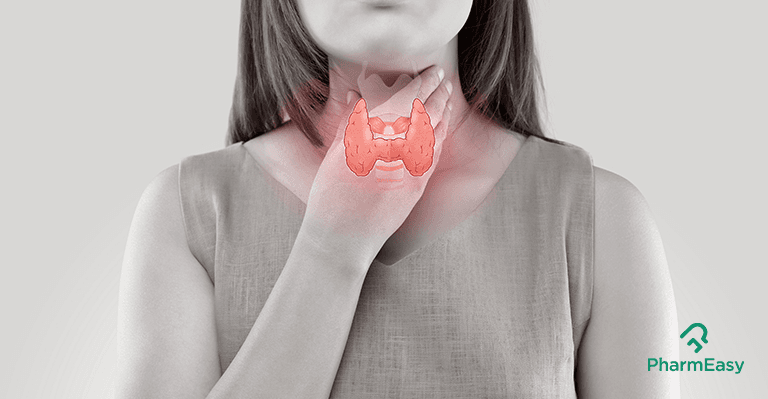
The thyroid gland, a small butterfly-shaped organ in the neck, plays a vital role in regulating metabolism through the hormones it produces. When this gland functions abnormally, it leads to either an overactive thyroid (hyperthyroidism) or an underactive thyroid (hypothyroidism).
In India, a lack of iodine has historically been a significant cause of hypothyroidism, although autoimmune conditions like Hashimoto's thyroiditis and Graves' disease are increasingly prevalent. The Indian Council of Medical Research (ICMR) has highlighted the evolving landscape of glandular disorders across the nation.
Here's where it gets interesting.
Practically speaking, glandular dysfunction can significantly impact one's quality of life, affecting energy levels, weight, mood, and even cardiovascular well-being. Over 101 million Indians have diabetes (ICMR, 2023), a problem often linked with glandular disorders, underscoring the interconnectedness of metabolic well-being.
Approximately 42 million Indians suffer from glandular diseases (AIIMS study), making glandular well-being a major public health concern.
Hypothyroidism: The Underactive Thyroid
When the thyroid gland doesn't produce enough thyroid hormones, metabolism slows down. Symptoms often include fatigue, weight gain, cold intolerance, constipation, and depression. Left unmanaged, hypothyroidism can lead to serious complications such as heart disease and infertility.
Hyperthyroidism: The Overactive Thyroid
Conversely, an overactive thyroid gland produces an abundance of hormones, speeding up metabolism. widespread signs are weight loss, rapid heartbeat, anxiety, tremors, increased sweating, and heat intolerance.
Untreated hyperthyroidism can result in severe conditions like Graves' ophthalmopathy (eye disease) and thyroid storm—a life-threatening concern.
Do's for those affected with Glandular Issues
Adhering to a structured approach can make a meaningful difference in managing glandular well-being. These practices are designed to support optimal glandular function and overall well-being.
1. Consistent Medication Adherence
The cornerstone of glandular management is taking prescribed medicine exactly as directed. For hypothyroidism, synthetic thyroid hormone (levothyroxine) is typically prescribed. For hyperthyroidism, medicines to reduce hormone production or radioactive iodine therapy might be recommended.
The numbers don't lie.
Skipping doses or altering the timing can disrupt hormone levels, leading to symptom fluctuations. Always take your medicine on an empty stomach, usually first thing in the morning, at least 30-60 minutes before eating or drinking anything other than water. This ensures optimal absorption.
2. Balanced and Nutrient-Rich Diet
Diet makes a real difference. Focus on whole foods, including fruits, vegetables, lean proteins, and whole grains. Iodine is essential for thyroid hormone production; however, an abundance can be harmful, especially for those with certain glandular conditions. Ensure adequate, but not an oversupply, of iodine, often achieved through iodized salt in India.
Include selenium-rich foods like Brazil nuts, sunflower seeds, and fish, as selenium aids in thyroid hormone metabolism. Zinc, found in nuts, seeds, and whole grains, is also vital. For those with Hashimoto's, an autoimmune situation, incorporating anti-inflammatory foods might be beneficial.
Think about it this way: your glandular medicine works best when your body has the right building blocks and a supportive internal environment. A diet rich in antioxidants and essential minerals helps achieve this.
The numbers don't lie.
3. Regular Exercise
Physical activity is key for both hypothyroidism and hyperthyroidism. For hypothyroidism, exercise can help combat fatigue, boost metabolism, and manage weight. For hyperthyroidism, it can support reduce anxiety and improve cardiovascular well-being.
Aim for a mix of aerobic exercises (like brisk walking, swimming, or cycling) and strength training. Consult your doctor before starting a new exercise regimen, especially if you experience marked fatigue or heart palpitations.
4. Stress Management Techniques
Chronic stress can negatively impact glandular function. Implementing stress-reducing techniques is paramount. Practices like yoga, meditation, deep breathing exercises, or spending time in nature can be highly effective.
Even simple activities such as listening to music or engaging in hobbies can lower stress levels significantly. Does this sound familiar? The constant pressure of daily life can exacerbate glandular manifestations.
This is where most individuals struggle.
5. Regular Medical Check-ups and Monitoring
Consistent follow-up with your endocrinologist or physician is non-negotiable. Blood tests to monitor thyroid hormone levels (TSH, T3, T4) are essential for adjusting medicine dosages.
The World Health Organization (WHO) emphasizes regular monitoring for chronic conditions. These check-ups also provide an opportunity to discuss any new manifestations or concerns.
6. Adequate Sleep
Prioritizing 7-9 hours of quality sleep per night is crucial for hormonal balance and overall recovery. Establishing a regular sleep schedule and creating a relaxing bedtime routine can enhance sleep quality. Avoid screens before bed and ensure your bedroom is dark and quiet.
7. Hydration
Staying well-hydrated supports overall bodily functions, including metabolism. Drink plenty of water throughout the day. This is particularly important if you experience increased sweating due to hyperthyroidism.
Don'ts for people with Glandular Issues
Certain habits and substances can interfere with glandular function and medicine effectiveness. Avoiding these is as meaningful as following the 'do's'.
1. Avoid Soy in Large Quantities Around Medication Time
Soy products contain isoflavones that can interfere with the absorption of thyroid hormone medicine. While moderate consumption is generally fine, avoid consuming large amounts of soy, especially within 4 hours of taking your levothyroxine. This is a usual dietary consideration for many Indian households.
2. Limit Goitrogenic Foods When Consuming Raw
Goitrogens are substances found in certain foods that can potentially interfere with glandular function, particularly iodine uptake. These include cruciferous vegetables like broccoli, cauliflower, cabbage, and kale. Cooking these vegetables significantly reduces their goitrogenic potential.
The numbers don't lie.
If you have hypothyroidism, consuming large amounts of raw goitrogenic foods might not be advisable. However, for most individuals with well-managed glandular conditions, moderate cooked consumption is safe and beneficial due to their nutritional value.
3. Avoid Excessive Iodine Intake
While iodine is essential, too much can worsen certain glandular conditions, particularly in individuals with Hashimoto's thyroiditis or toxic multinodular goiter. Be cautious with supplements containing high doses of iodine and limit an oversupply of seaweed or kelp, which are very rich in iodine.
Relying on iodized salt in moderation is generally recommended by well-being authorities.
4. Steer Clear of Smoking and Excessive Alcohol
Smoking can exacerbate Graves' disease, a frequent cause of hyperthyroidism, and increase the risk of thyroid eye disease. Alcohol can interfere with glandular function and medicine absorption. Quitting smoking and limiting alcohol intake are crucial steps for overall well-being and glandular management.
5. Do Not Self-Medicate or Stop Medication Abruptly
Never adjust your medicine dosage or stop taking it without consulting your doctor. Self-medication with thyroid supplements or other medicines can lead to dangerous hormone imbalances. Have you ever wondered why? Unregulated hormonal levels can trigger severe well-being crises.
It sounds simple. It rarely is.
6. Avoid Processed Foods and Excessive Sugar
Highly processed foods often lack essential nutrients and can contribute to inflammation and weight gain, which are problematic for those affected with glandular issues. An overabundance of sugar intake can also negatively impact metabolism and overall well-being. Opt for fresh, whole foods whenever possible.
7. Limit Caffeine Intake
While moderate caffeine intake may be acceptable for some, an oversupply can worsen manifestations like anxiety, rapid heartbeat, and insomnia, particularly in individuals with hyperthyroidism. Monitor your body's response and adjust accordingly.
Cultural Considerations for Indian individuals with Glandular Issues
Living in India presents unique dietary and lifestyle factors that can influence glandular well-being. During festivals, traditional diets often involve rich, fried foods and sweets, which can be challenging for those managing weight or metabolic issues associated with glandular disorders.
Mindful eating and portion control become even more critical during these times. Floor sitting, prevalent in many Indian homes, can be difficult for individuals experiencing joint pain or fatigue related to glandular dysfunction; adapting seating arrangements might be necessary.
That's the part worth remembering.
The reality is, integrating glandular management into daily life requires awareness and consistent effort. It involves making informed choices about diet, lifestyle, and healthcare.
The Lancet has published numerous studies on the prevalence and management of endocrine disorders in South Asia, emphasizing the need for culturally relevant well-being interventions.
Expert Opinion: Dr. Ramesh Gupta, an endocrinologist at a leading Delhi hospital, states, "Patient education is key. Understanding the 'why' behind the do's and don'ts empowers individuals to take control of their glandular well-being. Regular follow-ups, coupled with a proactive lifestyle, are the most successful strategies."
The International Diabetes Federation (IDF) also notes the notable overlap between diabetes and glandular disorders, highlighting the importance of a holistic approach to metabolic well-being management.
Key Takeaways
- Consistent intake of prescribed thyroid medicine is crucial for maintaining stable hormone levels.
- A balanced diet rich in essential nutrients like selenium and zinc, with mindful iodine intake, supports glandular well-being.
- Regular exercise and proven stress management techniques are vital for managing manifestations and improving well-being.
- Avoidance of excessive soy, goitrogens (especially raw), high-dose iodine supplements, smoking, and abrupt medicine changes is recommended.
- Regular medical check-ups and monitoring are non-negotiable for reliable glandular management.
Always consult a qualified physician before making any medical decisions.