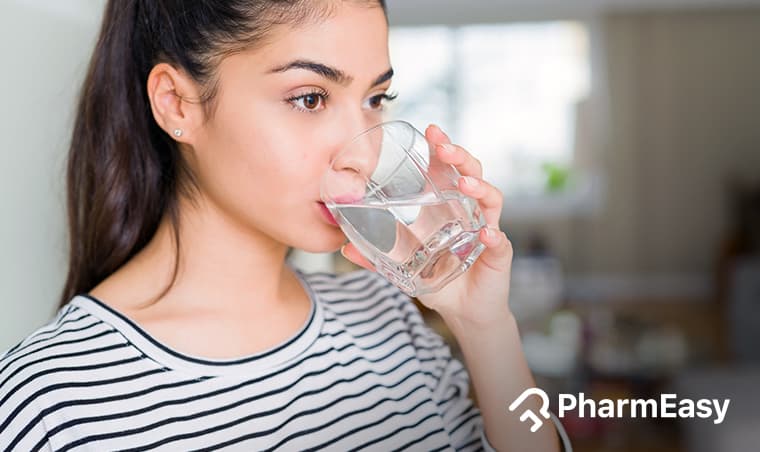
Peak Season Bodily Quenching: Staying Refreshed
Meena, 45, a homemaker from Jaipur, noticed a persistent fatigue and a dull headache during the scorching May heat. She initially dismissed it as the usual seasonal sluggishness, but the dry mouth and infrequent urination prompted a visit to her local clinic.
Her doctor diagnosed mild **fluid loss**, a common yet often underestimated ailment during India's intense peak season months. Have you ever wondered why staying replenished is so crucial, especially when the mercury soars?
The human body is remarkably resilient, but it relies heavily on a delicate internal balance, and **vital liquids** are the master regulators. During the hot spell, this balance is constantly challenged by rising temperatures and increased perspiration.
Honestly, understanding your body's specific **liquid** needs is not a one-size-fits-all answer; it's a dynamic requirement influenced by numerous factors. What most people miss is the subtle yet significant changes their body undergoes as it tries to cope with the heat.
Here's where it gets interesting.
Why Vital Liquids are Your Peak Season Lifeline
**Vital liquids** play an indispensable role in virtually every bodily function. They regulate body temperature through sweat, lubricate joints, transport nutrients, flush out waste products, and keep organs functioning optimally.
During the hot spell, your body works overtime to dissipate heat, primarily through sweating. A major amount of **essential liquid** is lost with every bead of sweat, necessitating replenishment to prevent **depletion of bodily resources**.
In many cases, **depletion of bodily resources** can creep up on you. Symptoms range from mild thirst and dry mouth to more severe issues like dizziness, confusion, and heatstroke.
The Indian Council of **Health** Research (ICMR) has highlighted the increasing burden of heat-related illnesses, underscoring the importance of adequate replenishment. A staggering statistic from the National Centre for Disease Control (NCDC) indicates that heatwaves affect millions annually, with **depletion of bodily resources** being a primary contributing factor.
Calculating Your Daily Liquid Needs
The old adage of drinking eight glasses (around 2 litres) of **vital liquids** a day is a useful starting point, but it's a generalization. Your individual needs can vary significantly. Practically speaking, factors such as your activity level, the ambient temperature, your body weight, and even your diet play crucial roles.
Here's where it gets interesting.
For instance, someone engaged in strenuous physical activity outdoors during the peak hot spell will require considerably more **essential liquid** than a person working in an air-conditioned office. Athletes and manual labourers often need to double or even triple their intake.
A more personalized approach involves considering your body weight. A typical guideline suggests consuming approximately 30-35 ml of **vital liquids** per kilogram of body weight. 1 litres of **vital liquids** daily.
This figure, however, is for a moderate climate and minimal activity. During the sweltering Indian peak season, when temperatures can exceed 45°C in many regions, your body's demand for **vital liquids** can easily increase by 50% or more.
On top of that,, your diet significantly impacts your replenishment status. Foods with high **liquid** content, such as cucumbers, watermelon, oranges, and leafy greens, contribute to your overall **liquid** intake.
The numbers don't lie.
Conversely, diets rich in salt or caffeine can increase **liquid** loss. Have you ever noticed feeling thirstier after consuming salty snacks or a strong cup of chai?
Recognising the Signs of Depletion of Bodily Resources
Being attuned to your body's signals is paramount. Early signs of **depletion of bodily resources** include increased thirst, dry mouth, reduced urine output (urine appearing dark yellow), fatigue, and headaches.
As **depletion of bodily resources** worsens, you might experience dizziness, muscle cramps, decreased skin turgor (skin not bouncing back when pinched), and a rapid heartbeat. In severe cases, confusion, fainting, and heatstroke can occur, which is a **health** emergency requiring immediate attention.
The World Health Organization (WHO) emphasizes that **depletion of bodily resources** can be particularly dangerous for vulnerable populations, including the elderly, infants, and individuals with chronic illnesses like diabetes or kidney disease. Over 101 million Indians currently live with diabetes (ICMR, 2023), and these individuals must be extra vigilant about their **liquid** intake, as impaired kidney function can exacerbate **depletion of bodily resources** risks.
Replenishment Strategies for the Indian Peak Season
What should you actually do to stay optimally replenished during the intense Indian peak season? Simple, practical steps can make a marked difference. Firstly, carry a reusable **liquid** bottle with you everywhere.
Recovery is rarely linear.
Sipping **vital liquids** consistently throughout the day, rather than gulping large amounts infrequently, is more effective. Set reminders on your phone if you tend to forget.
Don't rely solely on plain **vital liquids**. Incorporate replenishing foods into your diet. Think of refreshing options like buttermilk (chaas), coconut **liquid**, lemonades (nimbu pani), and fruit-infused **liquid**.
These beverages not only provide replenishment but also replenish electrolytes lost through sweat. The IDF (International Diabetes Federation) also recommends limiting sugary drinks, which can paradoxically worsen **depletion of bodily resources** and contribute to other **health** issues.
During festivals, like Diwali or Holi, dietary habits often change, with increased consumption of fried foods and sweets. This can lead to increased **liquid** loss.
Therefore, consciously increasing your **liquid** intake during such periods is advisable. Even simple acts, like sitting on the cool floor during a hot afternoon, can help regulate body temperature, but they don't replace the need for internal replenishment.
Avoid excessive consumption of caffeinated beverages and alcohol. Both act as diuretics, increasing urine production and contributing to **liquid** loss. While a morning cup of chai is a cultural staple for many, be mindful of its depleting effect and compensate with extra **vital liquids**.
That alone changes everything.
Listen to your body; if you feel thirsty, drink. If your urine is pale yellow, you're likely well-replenished.
Practically speaking, understanding your sweat rate can be helpful. Weigh yourself before and after exercise.
The difference in weight, accounting for **liquid** consumed during the activity, can give you an estimate of your **liquid** loss. 5 litres of **essential liquid**.
When to Seek Health Assistance
While most cases of **depletion of bodily resources** can be managed at home with increased **liquid** intake, severe **depletion of bodily resources** is a **health** emergency. indicators warranting immediate **health** attention include extreme lethargy, confusion, lack of urination for over 8-10 hours, fainting, rapid pulse, and a high fever.
Heatstroke, a life-threatening condition characterized by a body temperature of 40°C (104°F) or higher, requires urgent emergency care. **Health** professionals at institutions like AIIMS often treat numerous cases of heat-related illnesses during peak hot spell months, highlighting the severity of the issue.
A study published in The Lancet revealed that rising global temperatures are directly linked to an increase in heat-related mortality, emphasizing the critical need for public awareness and preventative measures like adequate replenishment. The ICMR's guidelines for heatwave preparedness also stress the importance of maintaining **liquid** balance.
Key Takeaways
- Your body's **liquid** needs increase significantly during the hot spell due to heat and perspiration.
- General guidelines suggest 30-35 ml per kg of body weight, but individual needs vary based on activity, climate, and **health**.
- Recognise **depletion of bodily resources** signs early: thirst, dry mouth, dark urine, fatigue, dizziness.
- Incorporate replenishing foods and **liquids** like buttermilk, coconut **liquid**, and fruits.
- Severe **depletion of bodily resources** and heatstroke are **health** emergencies requiring immediate professional aid.
Staying replenished is one of the simplest yet most impactful ways to safeguard your **health** during the demanding Indian peak season. By understanding your body's signals and adopting proactive replenishment strategies, you can navigate the heat comfortably and safely.
Here's where it gets interesting.
Always consult a qualified physician before making any **health** decisions.