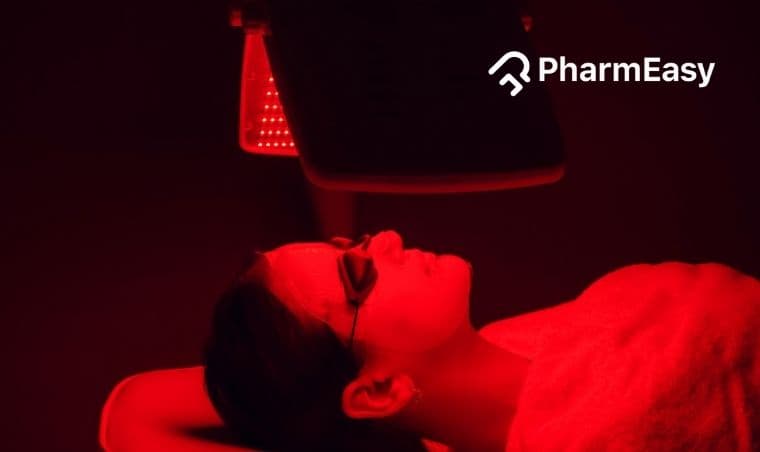
Red Light Therapy: A Growing Wellness Trend in India
Meena, 45, a homemaker from Jaipur, noticed fine lines around her eyes becoming more prominent, especially after the monsoon season seemed to accentuate her skin's dryness. She also experienced occasional joint stiffness, a common complaint during the cooler months. Like many Indians, she sought natural, non-invasive solutions.
Her search led her to Red Light Therapy (RLT), a treatment gaining significant traction across India, from bustling metros to smaller towns. But what exactly is this intervention, and can it truly deliver on its promises?
The reality is, Red Light Therapy, also known as low-level laser therapy (LLLT) or photobiomodulation (PBM), is a non-invasive therapy that uses particular wavelengths of red and near-infrared light to promote healing and regeneration at a fundamental biological level. Think about it this way: your cells have receptors that can absorb this illumination energy, triggering a cascade of beneficial biological processes.
Unlike UV illumination, RLT is safe and does not cause damage to the skin.
How Does Red Light Therapy Work?
Here's the thing — RLT operates on the principle of stimulating mitochondria, the powerhouses of our cells. When these wavelengths of illumination penetrate the skin, they are absorbed by chromophores within the mitochondria. This absorption process boosts the production of adenosine triphosphate (ATP), the primary energy currency of the cell.
The numbers don't lie.
Increased ATP production translates to enhanced biological function, reduced oxidative stress, and improved circulation. Essentially, it helps your cells work more efficiently and repair themselves more effectively.
Studies published in reputable journals like The Lancet have explored the promise of photobiomodulation for various conditions. The precise wavelengths used typically range from 630 to 670 nanometers (nm) for red illumination and 810 to 850 nm for near-infrared illumination. These wavelengths are chosen because they penetrate the skin to varying depths, reaching different biological targets.
Benefits of Red Light Therapy
The appeal of RLT lies in its diverse range of beneficial effects, impacting everything from skin health to pain relief and even mood enhancement. Honestly, the research is still evolving, but the existing evidence is compelling.
Skin Rejuvenation and Health
Perhaps the most well-known application of RLT is in dermatology. For individuals like Meena, concerned about aging skin, RLT offers a promising avenue. It can stimulate collagen and elastin production, the proteins responsible for skin's firmness and elasticity. This can lead to a reduction in fine lines and wrinkles, improved skin texture, and a more radiant complexion. Additionally, RLT has shown efficacy in treating acne by reducing inflammation and killing acne-causing bacteria (Cutibacterium acnes). Studies suggest it can also help with wound healing and scar reduction.
The Indian skincare market is booming, with consumers increasingly looking for scientifically backed, gentle treatments. RLT aligns perfectly with this trend.
Its ability to improve blood flow to the skin also contributes to a healthier, more vibrant appearance, a desire often amplified during festive seasons when glowing skin is highly sought after.
Pain Relief and Inflammation Reduction
Beyond aesthetics, RLT is increasingly recognized for its beneficial properties in managing pain and inflammation. For individuals suffering from conditions like arthritis or muscle soreness, the anti-inflammatory effects of RLT can be major. By increasing circulation and reducing inflammatory markers, it can alleviate joint stiffness and muscle discomfort.
Think about the countless Indians who experience knee pain or backaches, often exacerbated by activities like floor sitting during religious ceremonies or prolonged periods of physical work. RLT offers a non-pharmacological approach to manage such chronic pain.
That alone changes everything.
Research indicates that LLLT can accelerate tissue repair and reduce swelling. A meta-analysis published in the Journal of Dental Research highlighted its effectiveness in managing temporomandibular joint (TMJ) disorders. The International Association for the Study of Pain also acknowledges photobiomodulation as a modality for pain management.
Muscle Recovery and Athletic Performance
Athletes and fitness enthusiasts are also exploring RLT for enhanced muscle recovery and performance. Post-exercise muscle soreness (DOMS) can be significantly reduced with pre- or post-workout RLT sessions. The intervention's ability to strengthen mitochondrial function and reduce inflammation aids in faster muscle repair and regeneration.
Some studies suggest it might even boost endurance and strength, although more extensive research is needed in this area. The growing number of gyms and fitness centres across India, coupled with a rising interest in sports, makes this a relevant application for many.
Other Beneficial Effects
The applications of RLT continue to expand. Emerging research suggests beneficial effects for hair growth in individuals with androgenetic alopecia (hair loss), mood enhancement possibly by influencing neurotransmitter levels, and even improved sleep quality.
While these areas require further investigation, they highlight the broad beneficial scope of this technology.
Uses and Equipment
Red Light Therapy can be administered in various settings, from professional clinics to the comfort of one's home. The equipment ranges from large panels used in clinics to smaller, targeted units for specific body parts and even handheld applicators.
That alone changes everything.
Professional Treatments
Clinics and spas often offer RLT sessions using powerful, full-body panels. These treatments are typically supervised by trained professionals who can tailor the session duration and intensity based on the individual's needs and intervention goals.
Hospitals and specialized intervention centres, including those affiliated with institutions like AIIMS (All India Institute of Medical Sciences), are also exploring and utilising RLT for particular medical conditions under strict protocols.
At-Home Equipment
The increasing availability and affordability of at-home RLT equipment have made the intervention more accessible to the general population. This equipment includes:
- Face Masks: Designed specifically for facial skin, targeting wrinkles, acne, and overall complexion.
- Handheld Applicators: Useful for spot treatments on particular areas, like a persistent blemish or a sore joint.
- Body Panels: Larger units that can treat bigger areas of the body, promoting systemic benefits or targeting larger muscle groups.
When considering at-home equipment, it's crucial to choose reputable brands that provide clear specifications regarding wavelength, power output (irradiance), and recommended usage protocols. The World Health Organization (WHO) emphasizes the importance of evidence-based practices, and this extends to the equipment one chooses for self-care.
What Indian Patients Should Consider
As RLT gains popularity in India, those affected should approach it with informed expectations. So what does that mean for you? It means understanding that while promising, RLT is not a magic cure-all.
Safety and Adverse Reactions
RLT is generally considered safe with minimal adverse reactions when used as directed. Unlike UV radiation, it does not damage the skin. Mild, temporary redness or warmth in the treated area can occur but is uncommon.
Most people overlook this completely.
However, individuals with photosensitivity conditions or those taking photosensitizing medications should exercise caution and consult their doctor. Always ensure the equipment you use meets safety standards.
Consultation is Key
But why does this happen? Because individual responses to intervention can vary. Before starting RLT, especially for intervention purposes like pain management or marked skin concerns, consulting a qualified healthcare professional is paramount.
They can benefit determine if RLT is appropriate for your particular condition, recommend the right type of equipment, and guide you on the optimal intervention parameters. This is particularly important given the prevalence of chronic diseases in India; for instance, over 101 million Indians have diabetes (ICMR, 2023), a concern that can affect skin health and wound healing, where RLT might play a supportive role under medical guidance.
For skin concerns, consulting a dermatologist is advisable. For pain or musculoskeletal issues, a physiotherapist or orthopaedician can provide expert advice. They can integrate RLT into a broader intervention plan, ensuring it complements other interventions you might be undergoing.
That's the part worth remembering.
Realistic Expectations
While many users report positive results, it's essential to have realistic expectations. notable improvements, particularly for chronic conditions or deep wrinkles, may take time and consistent application over weeks or months.
Patience and adherence to an intervention schedule are key. The International Diabetes Federation (IDF) highlights the importance of consistent management for diabetes-related complications, and similarly, consistent application is vital for RLT benefits.
Cost and Accessibility
The cost of RLT equipment can vary widely, from a few thousand rupees for basic handheld units to several lakhs for professional-grade full-body panels. While professional treatments offer convenience and expert supervision, investing in quality at-home equipment can be more cost-effective in the long run for consistent use.
Exploring options and comparing prices from trusted Indian and international vendors is recommended.
The intervention involves using particular wavelengths of red and near-infrared light. It works by stimulating biological energy production (ATP) in the mitochondria. This boosts biological repair, reduces inflammation, and enhances circulation. Over 101 million Indians have diabetes (ICMR, 2023), a situation where improved circulation and skin health can be beneficial.
That's the part worth remembering.
The intervention is generally safe with minimal adverse reactions. Consistent, long-term use is often necessary to see major results. Always consult a qualified physician before making any medical decisions.
Key Takeaways
- Red Light Therapy (RLT), or LLLT, uses red and near-infrared light to enhance biological function.
- Benefits include skin rejuvenation, collagen production, acne reduction, and pain relief.
- It works by boosting mitochondrial ATP production, leading to biological repair and reduced inflammation.
- Professional treatments and at-home equipment are available, catering to different needs and budgets.
- Consulting a healthcare professional is crucial before starting RLT for particular medical conditions.
Always consult a qualified physician before making any medical decisions.