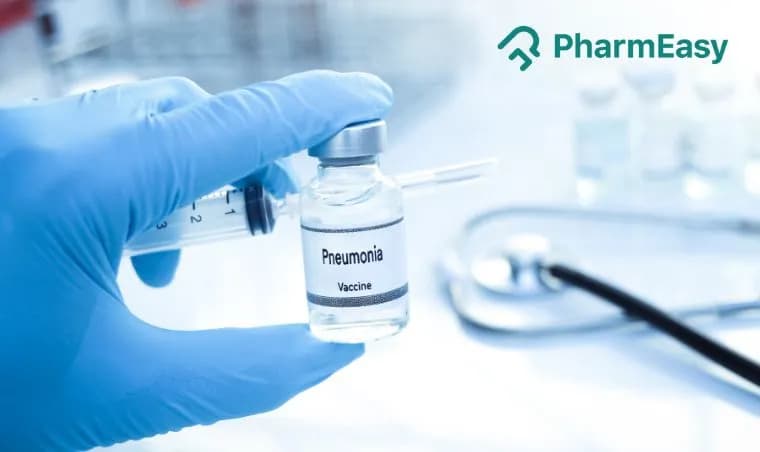
Understanding the Pneumococcal Immunization: A Shield Against Serious Infections
Meena, 45, a homemaker from Jaipur, noticed her elderly father, who often sits on the floor during family gatherings, experiencing persistent cough and breathlessness. Worried about pneumonia, a common ailment, especially during the humid monsoon season, she sought medical advice. Her doctor explained the crucial role of the pneumococcal immunization in preventing severe infections caused by the Streptococcus pneumoniae bacterium.
The reality is, pneumococcal illness remains a significant public health concern globally and in India. This bacterium can cause pneumonia, meningitis (infection of the membranes surrounding the brain and spinal cord), and bloodstream infections (bacteremia).
These infections can be particularly dangerous for young ones, older adults, and persons with weakened immune systems. Fortunately, immunizations offer robust protection.
What is Pneumococcal Illness?
Pneumococcal illness is an infection caused by the bacterium Streptococcus pneumoniae, also known as pneumococcus. This widespread bacterium resides in the upper respiratory tract of many healthy persons without causing illness. However, under certain conditions, it can invade the body and lead to serious infections. The World Health Organization (WHO) estimates that pneumococcal illness kills hundreds of thousands of young ones under five years old each year worldwide.
In India, the burden of pneumococcal illness is substantial. While precise, up-to-the-minute national statistics can fluctuate, studies consistently highlight its impact. For instance, research published in The Lancet has indicated that pneumococcal pneumonia accounts for a notable proportion of community-acquired pneumonia cases in youngsters across the subcontinent.
What most people miss is that pneumococcal bacteria are diverse, with over 90 different serotypes identified. Different immunizations target varying numbers of these serotypes, offering protection against the most frequent and dangerous strains.
So what does that mean for you? It means understanding which immunization is appropriate for your age and health status is key.
Types of Pneumococcal Immunizations
Two main types of pneumococcal immunizations are available and recommended for use in India: the pneumococcal conjugate immunization (PCV) and the pneumococcal polysaccharide immunization (PPSV23).
Pneumococcal Conjugate Immunization (PCV)
PCV immunizations link the pneumococcal bacteria's outer coating (polysaccharide) to a carrier protein. This conjugation helps to create a stronger immune response, particularly in infants and young ones whose immune systems are still developing.
The immune system learns to recognize the polysaccharide more effectively when it's attached to the protein.
PCV immunizations are available in different valencies, indicating the number of pneumococcal serotypes they protect against. widespread formulations include PCV10 (protecting against 10 serotypes) and PCV13 (protecting against 13 serotypes).
Recovery is rarely linear.
The Indian Academy of Pediatrics (IAP) and the government's Universal Immunization Programme (UIP) have recommended the inclusion of PCV in routine childhood immunization schedules. The National Technical Advisory Group on Immunization (NTAGI) has also provided guidance on its rollout.
Who needs PCV? PCV is primarily recommended for:
- Infants and young ones (typically starting at 6 weeks of age).
- Youngsters up to 2 years of age who have not been adequately immunized.
- Certain high-risk older youngsters and adults, as advised by a healthcare provider.
Pneumococcal Polysaccharide Immunization (PPSV23)
PPSV23, also known as Pneumovax 23, is an inactivated immunization that contains purified polysaccharide antigens from 23 different pneumococcal serotypes. Unlike PCV, it does not use a carrier protein, making it less effective in infants and very young ones. Its immunogenicity is lower compared to PCV in younger age groups.
The immune response to PPSV23 is primarily T-cell independent, which is less robust in persons under two years old. However, it is highly reliable in older youngsters, adults, and the elderly, stimulating a good immune response against the targeted serotypes.
The International Diabetes Federation (IDF) has highlighted the increased danger of infections, including pneumococcal illness, in persons with diabetes, making PPSV23 a crucial immunization for this population.
It sounds simple. It rarely is.
Who needs PPSV23? PPSV23 is generally recommended for:
- Adults aged 65 years and older.
- Persons aged 2 years and older with certain chronic health conditions, such as:
- Heart disease
- Lung disease (including asthma and COPD)
- Diabetes mellitus
- Liver disease
- Kidney disease
- Cerebrospinal fluid leaks
- Cochlear implants
- Persons aged 2 years and older who smoke.
- Persons with weakened immune systems (e.g., due to HIV/AIDS, cancer, organ transplant, or certain medications).
But why does this happen? The immune system's ability to mount a strong defense wanes with age and is compromised by chronic illnesses, making these individuals more susceptible to severe pneumococcal infections.
Who Needs the Pneumococcal Immunization and When?
Immunization schedules are tailored based on age, health status, and previous immunization history. For infants and young ones, the PCV series typically begins at 2 months of age, with subsequent doses at 4 and 6 months, and a booster dose around 12-15 months.
This schedule is designed to provide protection before youngsters are likely to be exposed to the bacteria in daycare or crowded environments.
For adults, the recommendations vary. Healthy adults aged 65 years and older are usually advised to receive one dose of PPSV23. If they have not received it before, they should get it. If they received PCV13 at or after age 65, they do not need another dose of PCV13. If they received PPSV23 first, they may need a dose of PCV13 later.
What most people miss is the importance of immunization for persons with specific chance factors. For instance, people with chronic conditions like diabetes or lung disease, even if younger than 65, should discuss PPSV23 immunization with their doctor.
Here's where it gets interesting.
Smokers are also at increased possibility and should consider immunization. The Indian Council of Medical Research (ICMR) guidelines often align with global recommendations, emphasizing immunization for vulnerable groups.
Immunization for High-possibility Persons:
- Persons with compromised immune systems often require a different immunization strategy. This might involve receiving PCV13 first, followed by PPSV23 at least 8 weeks later, and potentially another dose of PPSV23 later, depending on the specific condition and immune status.
- For persons with conditions like sickle cell disease or a cerebrospinal fluid leak, immunization is crucial. The recommended sequence and timing may differ.
So what does that mean for you? It means a personalized approach to immunization is often necessary, especially for those with underlying health issues.
Potential Side Effects of Pneumococcal Immunizations
Like all immunizations, pneumococcal immunizations can cause side effects, although most are mild and temporary. prevalent side effects include pain, redness, or swelling at the injection site. Some individuals may experience mild fever, headache, fatigue, or muscle aches. These reactions typically resolve within a day or two.
Severe allergic reactions (anaphylaxis) are extremely rare but are a possibility with any immunization. This is why immunization is always administered in a setting where medical personnel are prepared to manage such emergencies.
The safety monitoring systems in place, overseen by institutions like AIIMS and national drug regulatory bodies, make sure immunization safety is continuously evaluated.
Managing Side Effects:
- For injection site pain or swelling, a cool compress can offer relief.
- Fever or aches can often be managed with over-the-counter pain relievers like paracetamol or ibuprofen, as recommended by a healthcare provider.
- It is essential to inform your doctor about any major or persistent side effects.
Worth knowing: The benefits of preventing serious pneumococcal infections far outweigh the risks associated with the immunization for most individuals. The protection offered against potentially life-threatening conditions like meningitis and sepsis is invaluable.
Most people overlook this completely.
Benefits of Pneumococcal Immunization
The primary benefit of pneumococcal immunization is the considerable reduction in the possibility of developing invasive pneumococcal illness (IPD), such as pneumonia, bacteremia, and meningitis. Studies have shown that PCV immunization in youngsters has led to a dramatic decrease in IPD rates.
For example, in countries where PCV has been widely implemented, reductions of over 50% in IPD have been observed in young ones.
On top of that,, immunization can help reduce the spread of pneumococcal bacteria within communities, contributing to herd immunity. This indirect protection is particularly important for those who cannot be immunized, such as infants younger than 6 weeks or persons with severe allergies to immunization components.
The impact of immunization extends beyond individual protection; it strengthens community health.
The economic benefits are also considerable. Preventing pneumococcal infections reduces healthcare costs associated with hospitalizations, treatments, and lost productivity. The ICMR has emphasized the cost-effectiveness of immunization programs in reducing the overall illness burden.
Reducing Antibiotic Resistance
An considerable, though often overlooked, benefit is the role of pneumococcal immunization in combating antibiotic resistance. By preventing bacterial infections, immunization reduces the need for antibiotics.
The numbers don't lie.
This, in turn, helps to slow the development of antibiotic-resistant bacteria, a growing global health crisis. The WHO has identified antibiotic resistance as one of the top 10 global public health threats facing humanity.
The reality is, overuse and misuse of antibiotics have led to strains of bacteria that are increasingly difficult to treat. Immunization provides a proactive way to reduce the pressure on antibiotic resources, preserving their effectiveness for when they are truly needed.
Key Takeaways
- Pneumococcal illness, caused by Streptococcus pneumoniae, can lead to severe pneumonia, meningitis, and bloodstream infections.
- Two main immunizations, PCV (for youngsters) and PPSV23 (for adults and high-likelihood persons), offer protection against different strains.
- PCV is crucial for infants and young ones, typically starting at 2 months of age.
- PPSV23 is recommended for adults 65 and older, and younger persons with chronic health conditions or weakened immune systems.
- Immunization significantly reduces the likelihood of serious illness, hospitalization, and death from pneumococcal infections, while also aiding in the fight against antibiotic resistance.
Always consult a qualified physician before making any medical decisions.