Natural Circulatory Support: Benefits, Risks, and Precautions
Meena, 45, a homemaker from Jaipur, noticed unusual bruising on her arms after a fall. Worried, she consulted her doctor, who suspected a potential circulatory issue. While prescription anticoagulants are common, Meena was curious about dietary alternatives. Have you ever wondered why some ingredients are considered beneficial for circulation?
Understanding blood viscosity and the body's coagulation mechanisms is crucial for maintaining cardiovascular health. Coagulation, or clot formation, is a vital process that prevents excessive bleeding when injured. However, when this process goes awry, it can lead to dangerous clots forming in arteries or veins, potentially causing heart attacks, strokes, or pulmonary embolisms.
In India, cardiovascular diseases remain a leading cause of mortality, highlighting the importance of managing factors that influence circulation and clot formation. Many individuals seek dietary interventions to support healthy flow.
The Science Behind Circulatory Support
Circulatory support agents, medically known as anticoagulants and antiplatelet medications, work by interfering with the complex cascade of events that lead to clot formation. Anticoagulants typically target specific proteins in the coagulation pathway, slowing down the process.
Recovery is rarely linear.
Antiplatelet agents, on the other hand, prevent platelets—small cellular components—from clumping together. While pharmaceutical options are highly effective, certain ingredients and natural compounds exhibit properties that can influence these same pathways, albeit to a lesser extent and with different mechanisms.
Here's the thing — the effectiveness of these dietary options can vary significantly based on individual physiology, diet, and the specific compounds present. It's essential to approach these natural choices with a balanced perspective, understanding both their potential benefits and limitations.
Mechanisms of Natural Circulatory Support
Several natural substances can influence blood viscosity and coagulation. Some ingredients contain compounds that inhibit platelet aggregation, similar to antiplatelet drugs. Others may affect the production or activity of coagulation factors.
For instance, certain spices contain salicylates, compounds chemically related to aspirin, which is a well-known antiplatelet agent. Additionally, some compounds can improve circulation by promoting vasodilation—the widening of blood vessels.
That alone changes everything.
Beneficial Ingredients for Circulatory Support
Incorporating specific ingredients into your diet can support healthy circulation. Many of these are readily available in Indian kitchens and are part of traditional cuisine.
Garlic
Garlic (Allium sativum) is renowned for its cardiovascular benefits. It contains allicin, a compound released when garlic is crushed or chopped, which has been shown to have antiplatelet effects and can help lower blood pressure.
Studies suggest that regular consumption of garlic may reduce the risk of heart disease. Its pungent aroma is a staple during the monsoon season, often used to ward off infections, and its potential to aid circulation adds another layer to its medicinal properties.
Turmeric
The vibrant spice turmeric (Curcuma longa), a cornerstone of Indian cooking, contains curcumin. Curcumin possesses potent anti-inflammatory and antioxidant properties.
Research indicates it may also inhibit platelet aggregation, acting as a natural circulatory aid. The World Health Organization (WHO) recognizes turmeric's medicinal uses, and its integration into daily meals, especially during festive seasons like Diwali where rich ingredients are consumed, can be beneficial for overall health.
Ginger
Ginger (Zingiber officinale) contains compounds like gingerols and shogaols, which exhibit anti-inflammatory and antiplatelet activity. Similar to garlic, ginger can benefit prevent clot formation. Its warming properties make it a popular remedy during colder months and for soothing digestive issues.
That's the part worth remembering.
Cayenne Pepper
Capsaicin, the active compound in cayenne pepper, can elevate circulation and support prevent platelet aggregation. It works by stimulating the release of nitric oxide, which helps relax blood vessels. Consuming cayenne pepper in moderation may contribute to a healthier cardiovascular system.
Leafy Green Vegetables
While some leafy greens are rich in Vitamin K, which promotes coagulation, others can have a mild circulatory-supportive effect due to their antioxidant and anti-inflammatory properties. Broccoli, for example, contains antioxidants that support vascular health.
It's about balance; moderation is key when considering these ingredients in the context of circulation.
Omega-3 Fatty Acids
Found abundantly in fatty fish like salmon, mackerel, and sardines, as well as in flaxseeds and walnuts, omega-3 fatty acids are known for their anti-inflammatory effects. They can also reduce platelet aggregation, thereby helping to prevent clot formation.
The Indian Council of Medical Research (ICMR) has highlighted the importance of omega-3s in preventing non-communicable diseases.
Berries
Berries like strawberries, blueberries, and raspberries are packed with antioxidants and anti-inflammatory compounds called salicylates. These can enable prevent clot formation. Their inclusion in a balanced diet can contribute to better heart health.
Here's where it gets interesting.
Nuts and Seeds
Almonds and sunflower seeds are good sources of Vitamin E. Vitamin E is an antioxidant that may support prevent platelet aggregation. A handful of almonds, a frequent snack, can contribute to your daily intake of beneficial nutrients.
Certain Fruits
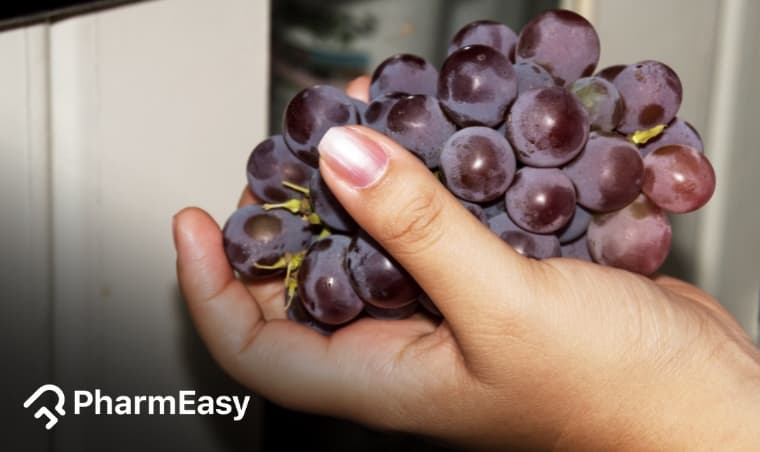
Grapes, cherries, and apricots contain natural salicylates, which can have a mild circulatory-supportive effect. Consuming these fruits regularly can support circulatory health.
Potential Risks and Precautions
While natural circulatory aids offer potential benefits, it's crucial to be aware of the risks. What should you actually do if you're considering these ingredients?
Interaction with Medications
The most significant possibility associated with natural circulatory aids is their potential interaction with prescribed anticoagulant or antiplatelet medications. For instance, consuming large amounts of garlic or ginger alongside warfarin could increase the possibility of bleeding.
If you are on circulatory support medication—a usual scenario for individuals with atrial fibrillation or those who have had a heart valve replacement—it is imperative to discuss dietary changes with your doctor. Over 10 million Indians suffer from atrial fibrillation, a condition often requiring anticoagulation therapy (IDF, 2021).
Bleeding chance
Even without medication, excessive consumption of certain ingredients known for their circulatory-supportive properties could theoretically increase the likelihood of bleeding, especially if you have a bleeding disorder or are scheduled for surgery. It's always advisable to practice moderation.
This is where most patients struggle.
If you experience unusual bruising or prolonged bleeding from minor cuts, seek medical attention promptly.
Vitamin K Content
Conversely, some ingredients rich in Vitamin K—like spinach, kale, and other dark leafy greens—promote coagulation. Individuals on warfarin therapy must maintain a consistent intake of Vitamin K to ensure their medication remains successful.
Sudden or drastic changes in Vitamin K consumption can destabilize the INR (International Normalized Ratio), a measure of coagulation time. This dietary balancing act is a widespread challenge for those affected managing their disorder through medication.
Individual Variability
The effects of natural circulatory aids can vary greatly from person to person. Factors like genetics, gut health, and overall diet play a role. What might have a noticeable effect on one individual could have minimal impact on another.
When to Be Cautious
If you are planning any surgical procedure, including dental work, it is essential to inform your surgeon and dentist about your diet and any supplements you are taking. They may advise you to stop consuming certain ingredients or natural remedies for a period before the procedure to minimize bleeding risks.
This is where most individuals struggle.
sufferers often underestimate the impact of their diet on surgical outcomes.
For individuals with pre-existing conditions such as liver disease, kidney disease, or any form of hemophilia, consulting a healthcare provider before making meaningful dietary changes is non-negotiable. These conditions can already affect clot formation and increase susceptibility to complications.
Integrating Natural Circulatory Aids Safely
Incorporating these ingredients into a balanced diet is generally safe and beneficial for most healthy individuals. The key lies in moderation and mindful consumption. Think of it as adding flavour and health benefits to your meals rather than relying on them as a sole form of treatment.
Consider the example of traditional Indian cooking, which often naturally includes many of these beneficial ingredients like garlic, turmeric, and ginger. This holistic approach to food, often rooted in Ayurveda, emphasizes balance and nourishment.
A study published in The Lancet highlighted the cardiovascular benefits of the Mediterranean diet, which shares similarities with traditional Indian diets in its emphasis on fresh produce and healthy fats.
Most people overlook this completely.
If you're curious about specific herbs or supplements claiming potent circulatory-supportive effects—such as Ginkgo Biloba or Dong Quai—exercise extreme caution. These often lack robust scientific backing for safety and efficacy in large populations and can carry major risks, especially when combined with medications.
The Indian Pharmacopoeia may list some, but their clinical use requires expert guidance.
What should you actually do? Start by focusing on a diverse diet rich in whole ingredients. Gradually introduce ingredients like garlic, turmeric, and ginger into your cooking.
Observe how your body responds. If you have any concerns or are on medication, always seek professional medical advice. Remember, these ingredients are best viewed as supportive elements within a broader healthy lifestyle, not as replacements for medical approach.
Key Takeaways
- Certain ingredients like garlic, turmeric, ginger, and omega-3 rich fish can support healthy circulation and may have mild circulatory-supportive properties.
- These natural options primarily work by inhibiting platelet aggregation or reducing inflammation.
- The most considerable likelihood is interaction with prescription circulatory support medications, potentially increasing bleeding.
- Individuals on anticoagulants must consult their doctor before altering their diet significantly, especially concerning Vitamin K intake.
- Moderation and a balanced diet are crucial; natural circulatory aids should complement, not replace, medical management.
Always consult a qualified physician before making any medical decisions.