Understanding Liver Fibrosis: A Growing Concern in India
Meena, 45, a homemaker from Jaipur, noticed persistent fatigue and occasional abdominal discomfort. Initially dismissing it as routine tiredness, she soon experienced unexplained weight loss and a yellowish tinge to her skin. These symptoms, coupled with her doctor’s concern about her elevated liver enzymes, led to a series of tests that revealed a startling diagnosis: liver fibrosis.
Meena's story is not unique; it reflects a growing health challenge across India, where liver ailments are increasingly prevalent. Have you ever wondered why liver health is so critical, yet often overlooked until serious issues arise?
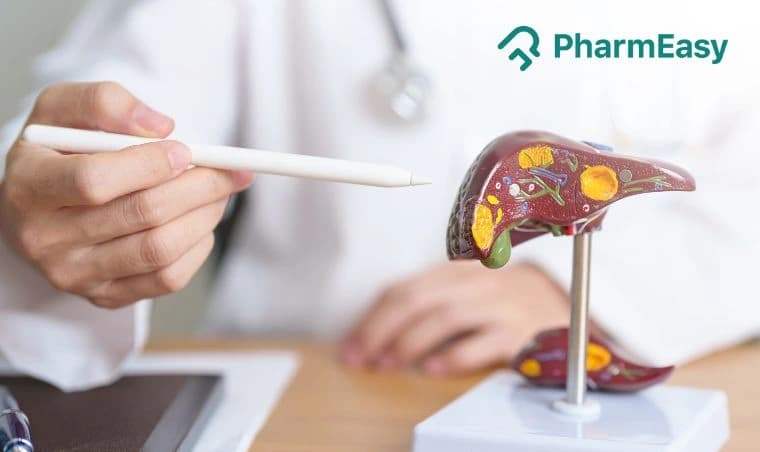
Liver fibrosis is essentially the scarring of the organ. Think about it this way: when the liver is repeatedly injured or inflamed, it attempts to repair itself. This repair process involves the accumulation of fibrous tissue, much like a scar forms on the skin after a cut.
While some scarring might be reversible in its early stages, persistent inflammation can lead to excessive scarring. This excess tissue can eventually disrupt the organ's normal structure and function, potentially progressing to a more severe condition known as cirrhosis, and in some cases, cancer of the liver.
Recovery is rarely linear.
The reality is, millions in India are silently battling conditions that can lead to this scarring. The rising rates of obesity and metabolic syndrome, coupled with a high prevalence of viral hepatitis, paint a concerning picture.
Understanding the causes, recognizing the subtle indicators, and seeking timely intervention are paramount for managing this situation effectively. Honestly, proactive health management is key to preventing the severe consequences of advanced organ impairment.
Causes of Liver Fibrosis: Identifying the Triggers
Viral Hepatitis
In many cases, chronic viral infections are primary culprits behind organ damage leading to fibrosis. Hepatitis B and C viruses, in particular, can cause long-term inflammation of the liver. Without proper treatment, these infections can persist for years, silently damaging organ cells.
Globally, the World Health Organization (WHO) estimates that hundreds of millions of people are living with chronic viral hepatitis. In India, while vaccination programs have made strides against Hepatitis B, Hepatitis C remains a significant concern, often transmitted through contaminated blood or needles.
That alone changes everything.
Non-Alcoholic Fatty Liver Disease (NAFLD)
NAFLD is rapidly becoming the most common cause of chronic organ impairment in India, mirroring global trends. This concern is characterized by the accumulation of excess fat in the liver, not associated with heavy alcohol use. Factors like obesity, type 2 diabetes, high cholesterol, and insulin resistance — all on the rise in India — contribute significantly to NAFLD.
As the issue progresses, some individuals develop Non-Alcoholic Steatohepatitis (NASH), which involves inflammation and organ cell damage, leading to fibrosis. Over 101 million Indians are estimated to have diabetes (ICMR, 2023), a major risk factor for NAFLD.
Alcoholic Liver Disease
Excessive and prolonged consumption of alcohol is another major driver of organ fibrosis. Alcohol is toxic to organ cells, and when consumed in large quantities over time, it triggers chronic inflammation and the subsequent development of scar tissue.
The cultural context of social drinking, sometimes exacerbated during festivals, can lead to increased alcohol intake for some individuals, potentially increasing their chance.
Autoimmune Hepatitis
Sometimes, the body's own immune system mistakenly attacks the liver, leading to inflammation and damage. This is known as autoimmune hepatitis. While less frequent than viral hepatitis or NAFLD, it can cause notable organ injury and fibrosis if not managed appropriately.
Here's where it gets interesting.
Genetic Conditions
Certain inherited disorders can also affect the liver and lead to fibrosis. Conditions like hemochromatosis (excess iron buildup) and Wilson's disease (excess copper buildup) can cause cumulative damage to the organ over time.
Bile Duct Diseases
Blockages or damage to the bile ducts, which carry bile from the liver to the gallbladder and small intestine, can also cause organ injury. Conditions like primary biliary cholangitis (PBC) or primary sclerosing cholangitis (PSC) can lead to inflammation and scarring.
warning signs of Liver Fibrosis: Recognizing the Warning Signs
Early-stage liver fibrosis often presents with vague or no indicators at all, making it a silent threat. This lack of clear indicators is why regular health check-ups are crucial, especially for individuals with danger factors. As the concern progresses and more scar tissue accumulates, manifestations may begin to appear.
General Fatigue and Weakness
A persistent feeling of tiredness and lack of energy is one of the earliest and most frequent, yet easily ignored, indicators. The liver plays a vital role in metabolism and energy production, so its impaired function can manifest as profound fatigue.
It sounds simple. It rarely is.
Abdominal Pain or Discomfort
Discomfort or a dull ache in the upper right side of the abdomen, where the organ is located, can occur. Swelling in the abdomen (ascites) may also develop in more advanced stages due to fluid buildup.
Jaundice
A yellowish discoloration of the skin and the whites of the eyes (jaundice) is a classic sign of organ dysfunction. This occurs when the liver cannot properly process bilirubin, a waste product.
Nausea and Vomiting
Some individuals experience persistent feelings of nausea or actual vomiting, especially after eating.
Loss of Appetite and Weight Loss
As organ function declines, appetite often diminishes, leading to unintended weight loss. This was one of the key signs Meena experienced.
Spider Angiomas
These are small, spider-like blood vessels that appear on the skin, particularly on the upper body. They are caused by the organ's inability to metabolize hormones effectively.
Easy Bruising or Bleeding
The liver produces proteins essential for blood clotting. When its function is compromised, individuals may notice that they bruise more easily or experience prolonged bleeding.
What should you actually do if you experience these indicators? Prompt medical attention is essential. Delaying diagnosis can allow the fibrosis to progress to irreversible stages like cirrhosis, which has a significantly poorer prognosis.
Diagnosis of Liver Fibrosis: How It's Detected
Diagnosing liver fibrosis involves a combination of methods, ranging from blood tests to imaging and sometimes invasive procedures. Doctors often start with a thorough medical history and physical examination. Blood tests can reveal elevated organ enzymes (ALT, AST), indicating organ inflammation, and specific markers for viral hepatitis or autoimmune conditions.
For instance, the FibroScan® (transient elastography) is a non-invasive ultrasound-based technique that measures organ stiffness, providing an estimate of the degree of fibrosis. The Indian National Association for the Study of the Liver (INASL) recommends elastography as a key tool for fibrosis assessment.
Here's where it gets interesting.
Imaging studies like abdominal ultrasound, CT scans, or MRI can help visualize the organ's structure and detect signs of cirrhosis or portal hypertension. In some situations, a liver biopsy — where a small sample of organ tissue is removed and examined under a microscope — may be necessary for a definitive diagnosis and staging of fibrosis.
However, due to its invasive nature, it is often reserved for cases where non-invasive methods are inconclusive.
intervention and Management of Liver Fibrosis
The primary goal in treating liver fibrosis is to halt or slow down the progression of scarring and, if possible, promote healing. management strategies are highly dependent on the underlying cause.
Addressing the Underlying Cause
For viral hepatitis, antiviral medications are highly effective in suppressing the virus, reducing inflammation, and allowing the liver to heal. For NAFLD, lifestyle modifications are the cornerstone of approach. This includes adopting a healthy, balanced diet — perhaps incorporating more traditional Indian grains and vegetables and reducing intake of processed foods and sugary drinks, especially during festive seasons which often involve rich foods. Regular physical activity is also crucial.
Losing even a modest amount of weight can significantly improve organ fat and inflammation. For alcoholic liver disease, complete abstinence from alcohol is non-negotiable. For autoimmune conditions, immunosuppressive medications may be prescribed. Managing genetic disorders or bile duct issues involves specific medical or surgical interventions.
Medications
While there are no specific drugs solely approved to reverse fibrosis itself, research is ongoing. Medications are primarily used to treat the underlying conditions that cause fibrosis.
For example, statins are sometimes used in NAFLD patients to manage cholesterol, and certain drugs can assist manage diabetes and insulin resistance, both key factors in NASH progression. The International Diabetes Federation (IDF) highlights the critical link between diabetes and organ health.
That's the part worth remembering.
Lifestyle Modifications
Crucial for NAFLD and alcohol-related liver disease, lifestyle changes are beneficial for all forms of organ fibrosis. This includes:
- Dietary Changes: Emphasizing fruits, vegetables, whole grains, and lean proteins. Limiting saturated fats, trans fats, added sugars, and excessive salt. Think about the traditional Indian diet – it often emphasizes lentils, vegetables, and whole grains, which can be beneficial.
- Weight Management: Achieving and maintaining a healthy weight through diet and exercise is vital.
- Regular Exercise: Aiming for at least 150 minutes of moderate-intensity aerobic activity per week.
- Alcohol Abstinence: Complete avoidance of alcohol is necessary for alcoholic liver disease and highly recommended for other liver conditions.
- Vaccinations: Ensuring vaccinations for Hepatitis A and B are up-to-date to prevent further organ insults.
Monitoring and Follow-up
Regular monitoring by a healthcare professional is essential. This involves periodic blood tests, imaging, and potentially non-invasive fibrosis assessments to track the liver's disorder and the effectiveness of care. The progression of fibrosis can be slow, spanning years or even decades, but consistent medical oversight is key.
Living with Liver Fibrosis
Managing liver fibrosis requires a long-term commitment to health. It involves understanding your disorder, adhering strictly to care plans, and making sustainable lifestyle changes. Patient support groups can be invaluable for sharing experiences and coping strategies.
Remember, early detection and proactive management significantly elevate outcomes, allowing individuals to lead fulfilling lives. Don't let the fear of the unknown paralyze you; informed action is your best defense.
Key Takeaways:
- Liver fibrosis is the scarring of liver tissue due to chronic injury or inflammation.
- Major causes in India include viral hepatitis (B & C), Non-Alcoholic Fatty Liver Disease (NAFLD) linked to obesity and diabetes, and alcoholic liver disease.
- Early indicators are often vague, including fatigue and abdominal discomfort; later signs can include jaundice and easy bruising.
- Diagnosis relies on blood tests, imaging, and non-invasive techniques like transient elastography (FibroScan®).
- therapy focuses on addressing the underlying cause and involves lifestyle modifications like diet, exercise, and weight management.
Always consult a qualified physician before making any medical decisions.