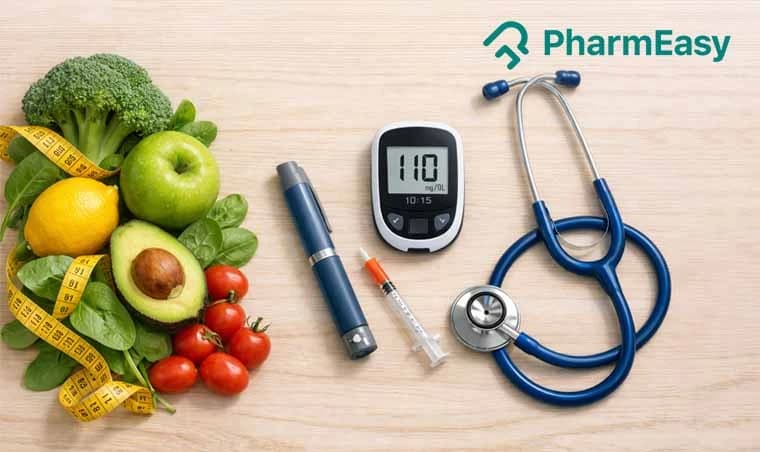
Understanding Impaired Glucose Regulation and its Link to Weight Loss
Meena, 45, a homemaker from Jaipur, noticed her energy levels plummeting and stubborn adiposity that no amount of dieting seemed to address. Her doctor suggested it might be impaired glucose regulation, a condition affecting millions in India. Impaired glucose regulation occurs when your body's cells don't respond well to the hormone that helps manage glucose, produced by the pancreas.
This hormone is crucial for regulating circulating glucose by helping it from your bloodstream enter your cells for energy. When cells become unreceptive, glucose builds up in the blood, leading to high circulating glucose levels and often, adiposity, particularly around the abdomen. The reality is, this disorder is a significant precursor to type 2 diabetes, with over 101 million Indians diagnosed (ICMR, 2023).
What most people miss is that impaired glucose regulation isn't just about diabetes; it's intricately linked with metabolic syndrome, a cluster of conditions including high blood pressure, high circulating glucose, unhealthy cholesterol levels, and abdominal obesity. This metabolic dysfunction can significantly hinder adiposity reduction efforts. But why does this happen?
Factors like genetics, a sedentary lifestyle, chronic stress, and particularly, a diet high in refined carbohydrates and sweeteners play a major role. In many cases, even with regular exercise, dietary choices can perpetuate the cycle of impaired glucose regulation and adiposity.
Here's where it gets interesting.
The Role of Diet in Managing Impaired Glucose Regulation and Promoting Adiposity Reduction
Dietary modifications are the cornerstone of managing impaired glucose regulation and facilitating adiposity reduction. The goal is to choose items that help improve sensitivity to the glucose-regulating hormone and reduce the glucose load on your body.
This means focusing on whole, unprocessed items and limiting those that cause rapid spikes in circulating glucose.
Focus on Low Glycemic Load (GL) Items
The Glycemic Index (GI) is a ranking of carbohydrates based on how quickly they raise circulating glucose levels. Items with a low GI are digested and absorbed more slowly, leading to a gradual rise in circulating glucose and hormonal levels. This is crucial for improving sensitivity to the glucose-regulating hormone.
- Vegetables: Non-starchy vegetables like leafy greens (spinach, fenugreek leaves), broccoli, cauliflower, bell peppers, and tomatoes are excellent choices. They are low in calories and carbohydrates but packed with fiber and nutrients.
- Fruits: Opt for fruits like berries, apples, pears, and oranges. While fruits contain natural sweeteners, their fiber content helps moderate sweetener absorption. Limit high-GI fruits like mangoes, bananas, and grapes, especially in large quantities.
- Whole Grains: Choose whole grains over refined ones. Examples include whole wheat roti (made with 100% whole wheat flour), brown rice, oats, quinoa, and millets like jowar and bajra. These provide sustained energy and fiber. Over 70% of the Indian population relies on grains as a staple, making the choice of whole grains vital (WHO).
- Legumes: Lentils (dal), chickpeas (chana), kidney beans (rajma), and other pulses are rich in protein and fiber, promoting satiety and stabilising circulating glucose.
- Healthy Fats: Include sources like avocados, nuts (almonds, walnuts), seeds (chia, flax), and olive oil. These fats enable elevate sensitivity to the glucose-regulating hormone and provide essential nutrients.
Incorporate Adequate Protein
Protein is essential for satiety, helping you feel fuller for longer and reducing overall calorie intake. It also has a minimal impact on circulating glucose levels compared to carbohydrates. Aim to include a protein source in every meal.
- Lean Meats: Chicken breast, fish.
- Eggs: A versatile and complete protein source.
- Dairy: Curd (dahi), paneer, and milk (choose low-fat options if preferred).
- Plant-Based Proteins: Tofu, tempeh, and legumes.
Mindful Carbohydrate Consumption
It's not about eliminating carbohydrates entirely, but about choosing the right kind and controlling portion sizes. Refined carbohydrates like white bread, white rice, pastries, and sweetened drinks cause sharp hormonal spikes. Here's the thing — these spikes can worsen impaired glucose regulation over time.
Recovery is rarely linear.
- Portion Control: Be mindful of how much you're eating, especially carbohydrate-rich items. A typical serving of rice or roti should be about the size of your fist.
- Pairing: Always pair carbohydrates with protein, healthy fats, and fiber. This slows down digestion and sweetener absorption. For instance, have your roti with a dal or vegetable curry, not just by itself.
The Importance of Fiber
Fiber is a superhero for managing impaired glucose regulation and adiposity reduction. It slows down the absorption of sweetener, prevents constipation, and promotes a feeling of fullness. The recommended daily intake of fiber is around 25-30 grams, but many Indians fall short of this (ICMR data suggests lower averages).
- Soluble Fiber: Found in oats, beans, apples, and citrus fruits. It helps lower circulating cholesterol and glucose levels.
- Insoluble Fiber: Found in whole wheat flour, nuts, and vegetables. It aids in digestion and prevents constipation.
Items to Limit or Avoid
Certain items can exacerbate impaired glucose regulation and contribute to adiposity. Reducing their intake is crucial.
- Sweetened Drinks: Sodas, fruit juices (even 100% juice), sweetened teas and coffees. These provide empty calories and cause rapid circulating glucose spikes.
- Refined Grains: White bread, white rice, pasta made from white flour, breakfast cereals high in sweetener.
- Processed Items: Packaged snacks, cookies, cakes, fast food. These are often loaded with unhealthy fats, sweetener, and sodium.
- Saturated and Trans Fats: Found in fried items, fatty meats, and some baked goods. These can worsen inflammation and impaired glucose regulation.
- Excessive Sweets: Candied fruits, traditional Indian sweets made with large amounts of ghee and sweetener (like ladoos, barfi) should be consumed sparingly, especially during festivals.
Lifestyle Factors Beyond Diet
While diet is paramount, other lifestyle changes can significantly amplify your results. What should you actually do? Integrating these habits can create a powerful synergy for better health.
Regular Physical Activity
Exercise helps your muscles use glucose for energy and improves your body's sensitivity to the glucose-regulating hormone. Aim for at least 150 minutes of moderate-intensity aerobic activity (like brisk walking, cycling) or 75 minutes of vigorous-intensity activity per week, along with muscle-strengthening activities twice a week.
Even simple activities like taking the stairs or going for a walk after meals can make a difference.
Stress Management
Chronic stress elevates cortisol levels, a hormone that can increase circulating glucose and promote abdominal fat storage. Practicing stress-reducing techniques like yoga, meditation, deep breathing exercises, or spending time in nature can be highly beneficial.
For many, simply taking time to sit quietly, perhaps after a meal, can be restorative.
Adequate Sleep
Poor sleep quality or insufficient sleep can disrupt hormone regulation, including the hormone that manages glucose. Aim for 7-9 hours of quality sleep per night. Establishing a regular sleep schedule is key.
This is where most patients struggle.
Sample Meal Ideas for an Impaired Glucose Regulation Diet (Indian Context)
Here are some ideas to get you started, keeping Indian culinary preferences in mind:
- Breakfast: Besan chilla (gram flour pancake) with vegetables, or oatmeal with nuts and seeds, or scrambled eggs with whole-wheat toast.
- Lunch: A bowl of mixed vegetable sambar with one small bowl of brown rice or two small whole wheat rotis, a side of salad, and a small portion of dal or chicken/fish curry.
- Snack: A handful of almonds, a small bowl of curd, or a piece of fruit like an apple.
- Dinner: Grilled fish or chicken with a large portion of mixed vegetable stir-fry, or a large bowl of lentil soup with a side salad. Avoid heavy meals late at night.
Remember, consistency is more important than perfection. Small, sustainable changes add up over time. The key is to build a balanced eating pattern that you can maintain long-term.
Key Takeaways
- Impaired glucose regulation affects millions in India and is a precursor to type 2 diabetes and metabolic syndrome.
- A diet rich in low-glycemic load items, lean protein, and fiber is crucial for improving sensitivity to the glucose-regulating hormone and aiding adiposity reduction.
- Limiting sweetened drinks, refined grains, and processed items can significantly reduce circulating glucose spikes and inflammation.
- Lifestyle factors like regular exercise, stress management, and adequate sleep are vital complements to dietary changes.
- Consulting healthcare professionals, such as dietitians or doctors, can provide personalised guidance for managing impaired glucose regulation and adiposity reduction.
Always consult a qualified physician before making any medical decisions.