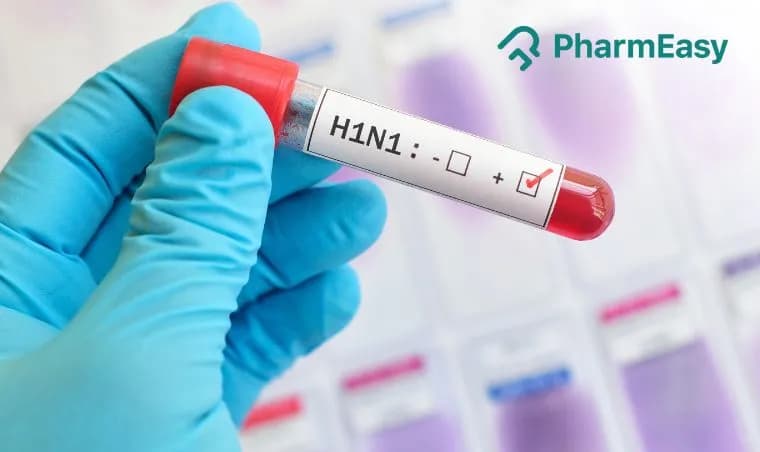
Understanding H1N1 (Swine Flu): Causes, Symptoms, Treatment, and Prevention in India
Meena, 45, a homemaker from Jaipur, noticed a sudden, intense headache accompanied by a persistent dry cough and a high fever that refused to break. Within two days, she felt utterly drained, her body aching as if she’d run a marathon.
Her family physician, after a brief examination and a few inquiries about her recent travel and contacts, suspected a respiratory ailment, specifically the H1N1 strain, commonly known as swine flu. This scenario is not uncommon across India, especially during the colder months or monsoon season when respiratory infections tend to peak.
The reality is, H1N1, a subtype of the influenza A pathogen, continues to be a significant public health concern globally and particularly in India. It first gained widespread attention in 2009 when it caused a pandemic.
While it has since become a seasonal flu pathogen, its potential to cause serious illness, hospitalisation, and even death remains. Understanding its transmission, clinical signs, and how to prevent it is crucial for safeguarding individual and community well-being.
Recovery is rarely linear.
What is H1N1 (Swine Flu)?
H1N1 is a respiratory illness caused by a specific strain of the influenza A pathogen. The 'swine flu' moniker originated because this pathogen was first identified in pigs. However, the strain that caused the 2009 pandemic was a novel reassortant virus, meaning it contained genetic material from human, swine, and avian influenza pathogens.
This genetic mixing allowed it to spread efficiently from person to person. Have you ever wondered why some flu strains are more dangerous than others? It’s often due to their novelty and the population's lack of pre-existing immunity.
In India, H1N1 cases are reported year-round but typically surge during winter (October to March) and sometimes during the monsoon season. According to the National Centre for Disease Control (NCDC), India witnesses thousands of H1N1 cases annually, with varying intensity.
For instance, during the 2017-2019 period, the country reported a considerable number of afflictions and fatalities attributed to H1N1, highlighting its persistent threat. The pathogen is highly contagious and spreads through respiratory droplets released when an infected person coughs, sneezes, or talks.
That's the part worth remembering.
Causes and Transmission of H1N1
The primary cause of H1N1 infection is exposure to the influenza A (H1N1) pathogen. Transmission occurs through direct contact with infected individuals or indirectly via contaminated surfaces. When an infected person coughs, sneezes, or talks, they expel tiny droplets containing the pathogen into the air.
Inhaling these droplets can lead to infection. Practically speaking, this means close contact in crowded spaces, like public transport or marketplaces, significantly increases the risk of transmission.
Touching a surface or object contaminated with the pathogen — such as a doorknob, a telephone, or even the railing of a staircase during the festive season when gatherings are common — and then touching your eyes, nose, or mouth can also lead to infection. The pathogen can survive on surfaces for a period, making hygiene practices paramount. The incubation period for H1N1 typically ranges from 1 to 4 days, with an average of 2 days.
Infected individuals can be contagious from about a day before they show clinical signs and up to 5-7 days after becoming sick. Children and individuals with weakened immune systems may be contagious for longer periods.
Most people overlook this completely.
typical Signs of H1N1 (Swine Flu)
The signs of H1N1 often resemble those of seasonal influenza, making early diagnosis challenging without laboratory testing. However, they can appear suddenly and be quite intense. frequent indicators include:
- Fever: Often a high temperature (100.4°F or 38°C or higher), which can last for several days.
- Cough: Typically a dry, persistent cough.
- Sore Throat: Pain or irritation in the throat.
- Body Aches: Muscle or joint pain (myalgia and arthralgia).
- Headache: An intense, often throbbing headache.
- Chills: Feeling cold even when the environment is warm.
- Fatigue: Extreme tiredness and weakness.
- Runny or Stuffy Nose: Nasal congestion or discharge.
- Diarrhea and Vomiting: These indicators are more widespread in children than adults but can occur.
What most people miss: While these indicators overlap with the widespread cold, the sudden onset and intensity, particularly the high temperature and body aches, are often indicative of influenza. Some individuals may develop mild signs and recover without professional intervention. However, certain groups are at higher chance for severe complications.
High-likelihood Groups for Complications
Certain populations are more vulnerable to developing serious complications from H1N1 infection. These include:
- Young children (under 5 years old)
- Adults 65 years and older
- Pregnant women and women up to two weeks postpartum
- Residents of nursing homes and other long-term care facilities
- Individuals with chronic health conditions such as asthma, diabetes (affecting over 101 million Indians according to ICMR, 2023), heart disease, kidney disease, liver disease, and certain neurological conditions.
- People with weakened immune systems (due to HIV/AIDS, cancer intervention, or long-term steroid use).
Complications can include pneumonia, bronchitis, sinus infections, ear infections, and worsening of chronic health conditions. In critical cases, H1N1 can lead to respiratory failure, requiring mechanical ventilation, and can even be fatal.
Diagnosis of H1N1
Diagnosing H1N1 typically involves a combination of clinical evaluation and laboratory testing. A healthcare provider will assess your signs, health history, and potential exposure. But why does this happen? Because signs alone can be misleading, especially early in the illness or when they are mild.
Here's where it gets interesting.
Laboratory Tests: The most definitive way to diagnose H1N1 is through laboratory tests that can detect the presence of the pathogen or the body's immune response to it. These include:
- Rapid Influenza Diagnostic Tests (RIDTs): These tests can detect influenza pathogens from respiratory samples (like nasal swabs or throat swabs) within about 15-30 minutes. However, their sensitivity can vary, meaning they might sometimes miss an infection (false negative).
- Rapid Molecular Assays: These tests detect the pathogen's genetic material and are more accurate than RIDTs, providing results in 15-30 minutes.
- Reverse Transcription Polymerase Chain Reaction (RT-PCR): This is the most accurate test for diagnosing influenza. It detects the pathogen's genetic material and can identify specific strains like H1N1. Results usually take several hours to a day or two.
- Serological Tests: These tests look for antibodies in the blood, indicating a past or recent infection. They are generally not used for diagnosing acute illness.
The Indian Council of Medical Research (ICMR) recommends testing for suspected cases, especially those in high-possibility groups or presenting with intense signs, to guide care decisions. Prompt diagnosis is key, as antiviral medications are most effective when started early.
approach for H1N1 (Swine Flu)
intervention for H1N1 depends on the intensity of the illness and the patient's possibility factors. For mild cases, supportive care is often sufficient.
Supportive Care:
- Rest: Adequate rest helps the body fight the infection.
- Hydration: Drinking plenty of fluids (water, broth, juices) prevents dehydration.
- Over-the-counter Medications: Medications like paracetamol or ibuprofen can help manage fever and body aches. Aspirin should be avoided in children and adolescents due to the possibility of Reye's syndrome.
Antiviral Medications: For individuals at high likelihood of complications or those with intense illness, antiviral drugs are recommended. These medications work best when started within 48 hours of sign onset. They can reduce the intensity of signs, shorten the duration of illness, and prevent serious complications. usual antiviral drugs used for influenza include oseltamivir (Tamiflu), zanamivir (Relenza), peramivir, and baloxavir marboxil. These are typically prescription-only medications. The World Health Organization (WHO) and national health guidelines in India recommend specific antiviral protocols based on clinical evidence.
Hospitalisation may be necessary for individuals experiencing intense signs like difficulty breathing, chest pain, confusion, persistent vomiting, or dehydration. In such cases, more intensive medical care, including oxygen therapy or mechanical ventilation, might be required. Early medical attention is vital for favourable outcomes.
Prevention of H1N1 (Swine Flu)
Preventing the spread of H1N1 is a shared responsibility, involving individual actions and public health measures. Fortunately, many impactful strategies exist.
Vaccination
The most impactful way to prevent H1N1 infection and its serious consequences is through annual vaccination. Flu vaccines are designed to protect against the influenza pathogens expected to be most typical during the upcoming flu season. The H1N1 strain is typically included in the seasonal flu vaccine. In India, the vaccine is available through private healthcare providers and some government initiatives.
It is recommended for everyone six months of age and older, especially those in high-possibility groups. Receiving the vaccine, even if you still get sick, can significantly reduce the intensity of illness and the possibility of complications. The Lancet Infectious Diseases journal has published numerous studies reinforcing the efficacy of seasonal influenza vaccination.
That alone changes everything.
Good Hygiene Practices
Beyond vaccination, maintaining good hygiene is crucial:
- Handwashing: Wash your hands frequently and thoroughly with soap and water for at least 20 seconds, especially after coughing, sneezing, or blowing your nose, and before eating. If soap and water are not available, use an alcohol-based hand sanitizer containing at least 60% alcohol.
- Respiratory Etiquette: Cover your mouth and nose with a tissue when you cough or sneeze. Dispose of the used tissue immediately. If a tissue is not available, cough or sneeze into your elbow or upper sleeve, not your hands.
- Avoid Touching Face: Try to avoid touching your eyes, nose, and mouth with unwashed hands.
- Cleaning Surfaces: Regularly clean and disinfect frequently touched surfaces at home, work, and school, especially during flu season.
Social Distancing and Avoiding Crowds
During periods of high influenza activity, it is advisable to avoid close contact with people who are sick. If you have flu-like signs, stay home from work, school, and public areas to prevent spreading the pathogen to others.
This also applies to avoiding crowded places and non-essential travel when community transmission levels are high. Remember, respiratory pathogens spread easily in densely populated areas, a frequent scenario during Indian festivals or major events.
Living with H1N1: When to Seek Medical aid
While many people recover from H1N1 at home, knowing when to seek immediate medical attention is critical. Warning signs that indicate a more intense infection and require urgent medical care include:
- Difficulty breathing or shortness of breath
- Pain or pressure in the chest or abdomen
- Sudden dizziness or confusion
- Intense or persistent vomiting
- High temperature that does not respond to medication
- Worsening of chronic health conditions
If you experience any of these indicators, do not delay seeking professional medical support. Early intervention can significantly improve outcomes and prevent life-threatening complications. Consulting a physician promptly ensures you receive the appropriate management and guidance tailored to your specific condition.
This is where most patients struggle.
Key Takeaways
- H1N1 (Swine Flu) is a contagious respiratory illness caused by an influenza A pathogen strain, posing a meaningful health likelihood in India.
- Signs include sudden high temperature, cough, sore throat, body aches, headache, and fatigue, often mimicking seasonal flu but potentially more intense.
- High-danger groups, including the elderly, young children, pregnant women, and those with chronic health conditions, are more prone to serious complications.
- Diagnosis relies on clinical assessment and laboratory tests like RT-PCR, with early detection crucial for proven care.
- therapy involves supportive care (rest, fluids) and antiviral medications for serious cases or high-possibility individuals, ideally started within 48 hours of sign onset.
- Prevention is best achieved through annual flu vaccination and diligent hygiene practices like frequent handwashing and covering coughs/sneezes.
Always consult a qualified physician before making any medical decisions.