Why Do My Feet Sweat So Much? Understanding the Causes and Solutions
Meena, 45, a homemaker from Jaipur, noticed her feet felt perpetually damp, even in the cooler months. This constant dampness led to an uncomfortable odour and occasional skin irritation, impacting her daily life and confidence. Does this sound familiar? For millions in India, profuse foot perspiration, medically known as plantar hyperhidrosis, is more than just an inconvenience; it can be a source of significant discomfort and social anxiety.
What most people miss is that this condition is quite common, affecting a substantial portion of the population. The feet are densely packed with sweat glands—more so than almost any other part of the body—and their primary function is temperature regulation. When the body overheats, these glands release fluid to cool it down. However, in individuals with hyperhidrosis, these glands are overactive, producing far more perspiration than necessary.
Practically speaking, the Indian climate, with its long periods of high humidity and heat, can exacerbate this concern. Think about it this way: imagine wearing closed shoes and socks for extended periods during the monsoon or a particularly hot summer day.
The trapped moisture creates a breeding ground for bacteria and fungi, leading not only to unpleasant odours but also increasing the risk of infections like athlete's foot.
Understanding the Underlying Causes
The reasons behind profuse foot perspiration can be broadly categorised into primary and secondary hyperhidrosis. Primary hyperhidrosis is typically an inherited problem with no identifiable underlying health cause. It often begins in childhood or adolescence and tends to affect specific areas, such as the feet, hands, or underarms. Secondary hyperhidrosis, on the other hand, is caused by an underlying health disorder, medication, or physiological change. Have you ever wondered why?
This is where most patients struggle.
This could include hormonal imbalances, certain infections, neurological disorders, or even anxiety and stress. For instance, changes in hormone levels during puberty or menopause can trigger increased perspiration. Certain medications, including some antidepressants and pain relievers, are also known culprits. The Indian Council of Medical Research (ICMR) has highlighted the growing prevalence of stress-related health issues, which can directly contribute to secondary hyperhidrosis.
Primary Hyperhidrosis: The Overactive Glands
In primary plantar hyperhidrosis, the nerves that signal the sweat glands become overactive. These nerves are part of the sympathetic nervous system, which controls involuntary bodily functions. While this system is crucial for survival, in hyperhidrosis, it seems to be sending faulty signals, leading to profuse perspiration.
This type of hyperhidrosis is often focal, meaning it affects specific body parts, and typically begins before the age of 25. It is estimated that around 3% of the global population suffers from some form of hyperhidrosis, with a marked portion experiencing it in their feet.
Secondary Hyperhidrosis: The Health Connection
When profuse perspiration is linked to another health issue, it's termed secondary hyperhidrosis. Several conditions can trigger this. For example, hyperthyroidism (overactive thyroid), where the body's metabolism is accelerated, often leads to increased perspiration. Menopause brings about hot flashes and night sweats in many Indian women due to fluctuating oestrogen levels.
Recovery is rarely linear.
Certain infections, particularly those causing fever, can also induce copious perspiration as the body tries to regulate its temperature. Anxiety disorders and panic attacks significantly activate the sympathetic nervous system, resulting in a sudden surge of fluid. The World Health Organization (WHO) reports that mental health conditions are increasingly prevalent globally, and their impact on physical symptoms like perspiration cannot be ignored.
Factors Worsening Foot Perspiration in India
Several environmental and lifestyle factors typical in India can intensify the problem of damp feet. The sheer diversity of our climate plays a marked role. During the sweltering summer months, temperatures can soar, prompting the body to perspire more to cool down. Following this, the monsoon season brings high humidity, trapping moisture and preventing perspiration from evaporating effectively. This combination creates a perfect storm for damp feet. Wearing traditional footwear like closed juttis or tight mojaris for extended periods, especially during festivals or social gatherings, can also trap heat and moisture, worsening the problem. Many Indian homes still involve sitting on the floor, which can increase contact time between feet and the ground, potentially transferring more dampness.
Dietary habits can also play a role. Consumption of spicy foods, caffeine, or excessive sugar, frequent in many Indian cuisines, can sometimes trigger perspiration in susceptible individuals. What's more,, the type of footwear and socks worn is critical.
Synthetic materials often do not allow the feet to breathe, trapping fluid against the skin. This is particularly relevant when considering the vast market of affordable synthetic footwear available across India.
The Impact on Health and Well-being
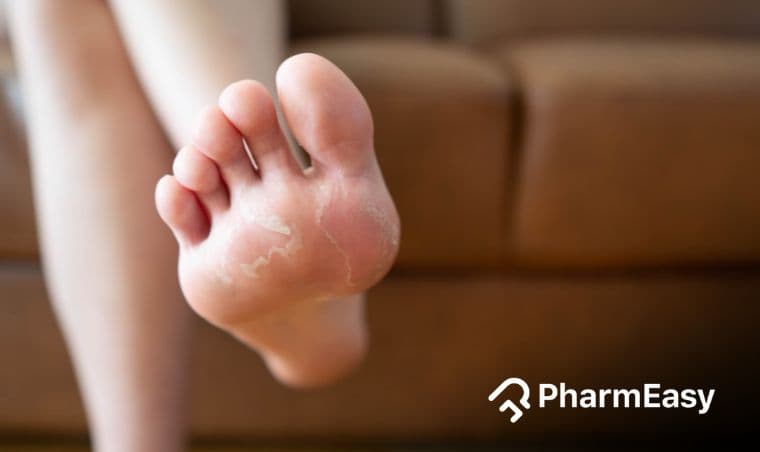
Beyond the discomfort and social awkwardness, persistently damp feet can lead to several health complications. The constant dampness creates an ideal environment for fungal infections, such as athlete's foot (tinea pedis). This infection can cause itching, redness, scaling, and cracking of the skin, making walking painful. Bacterial infections can also thrive in such conditions, sometimes leading to more serious issues like cellulitis.
That's the part worth remembering.
The persistent odour associated with profuse perspiration can lead to marked self-consciousness and social anxiety. This can affect personal relationships, professional interactions, and overall quality of life. Many individuals limit their social activities or avoid situations where their feet might be exposed, like yoga classes or removing shoes at a friend's home.
Worth knowing: The psychological toll of hyperhidrosis is often underestimated. Studies published in journals like The Lancet have shown a correlation between severe hyperhidrosis and reduced quality of life, comparable to other chronic conditions.
The International Diabetes Federation (IDF) also notes that individuals with diabetes are at higher likelihood for foot problems, and persistent dampness can complicate existing foot conditions.
Effective Solutions and Management Strategies
Fortunately, there are numerous impactful strategies to manage and treat profuse foot perspiration. A combination of lifestyle changes, over-the-counter treatments, and prescription options can provide notable relief. The goal is to reduce perspiration production, manage dampness, and prevent associated complications.
1. Topical Treatments and Antiperspirants
Over-the-counter (OTC) antiperspirants are the first line of defence. Look for products containing aluminium chloride hexahydrate. These work by temporarily blocking the perspiration ducts.
For more severe cases, a doctor might prescribe stronger topical antiperspirants with higher concentrations of aluminium compounds. Applying these at night to clean, dry feet can maximise their effectiveness. Remember to follow the product instructions carefully.
The numbers don't lie.
2. Foot Hygiene and Sock Choices
Maintaining excellent foot hygiene is paramount. Wash your feet daily with soap and water, ensuring you dry them thoroughly, especially between the toes. Changing socks at least once or twice a day is crucial, especially if your feet perspire heavily. Opt for socks made from moisture-wicking materials like cotton blends, wool, or synthetic fabrics specifically designed for athletic wear.
Avoid 100% cotton socks, as they tend to hold fluid. Regularly air out your shoes to allow them to dry completely between wears. Consider using absorbent foot powders or cornstarch to help manage dampness.
3. Lifestyle and Dietary Adjustments
While not a cure, certain adjustments can benefit. Minimising intake of caffeine, spicy foods, and alcohol might reduce overall perspiration for some individuals. Managing stress through techniques like yoga, meditation, or deep breathing exercises can be beneficial, particularly if stress is a trigger.
Wearing breathable footwear made from natural materials like leather or canvas is highly recommended. Avoid tight-fitting shoes and synthetic materials that prevent ventilation.
4. Prescription Medications
When topical treatments are insufficient, oral medications might be considered. Anticholinergic drugs, such as glycopyrrolate or oxybutynin, can reduce perspiration throughout the body by blocking the chemical messenger that stimulates sweat glands.
Most people overlook this completely.
However, these medications can have side effects like dry mouth, blurred vision, and constipation, so they require careful health supervision. The All India Institute of Medical Sciences (AIIMS) often uses these medications under strict protocols.
5. Advanced Treatment Options
For severe, persistent cases, more advanced treatments are available. Ionthophoresis involves using a device that passes a mild electrical current through water, which the feet are immersed in. This can temporarily block perspiration glands. Multiple sessions are usually required.
Botulinum toxin (Botox) injections are another option, where the toxin is injected into the skin of the feet to block the nerves that stimulate perspiration glands. The effects typically last for several months. In very rare and severe instances, surgical options like sympathectomy (cutting or clamping the sympathetic nerves) might be considered, but this is usually a last resort due to potential risks and side effects.
Have you ever wondered why some treatments work better for certain individuals? It often comes down to the specific cause and severity of the hyperhidrosis, as well as individual response to care. Working closely with a healthcare provider is key to finding the most suitable approach for you.
This is where most people struggle.
When to Seek Health Advice
While occasional damp feet are normal, you should consult a doctor if the perspiration is profuse, persistent, interferes with daily activities, or is accompanied by other manifestations like fever, unexplained weight loss, or signs of infection. A doctor can aid diagnose the cause, rule out underlying health conditions, and recommend the most appropriate care plan.
Don't let profuse foot perspiration hold you back.
Key Takeaways
- Plantar hyperhidrosis is frequent, affecting millions in India, and is caused by overactive perspiration glands.
- Factors like heat, humidity, certain diets, and synthetic footwear can worsen foot perspiration.
- Persistent dampness increases the possibility of fungal and bacterial infections, like athlete's foot.
- reliable management includes good hygiene, moisture-wicking socks, antiperspirants, and breathable shoes.
- For severe cases, prescription medications, iontophoresis, or Botox injections may be recommended by a doctor.
Always consult a qualified physician before making any health decisions.