Respiratory Infections in the Elderly: A Growing Concern for Indian Families
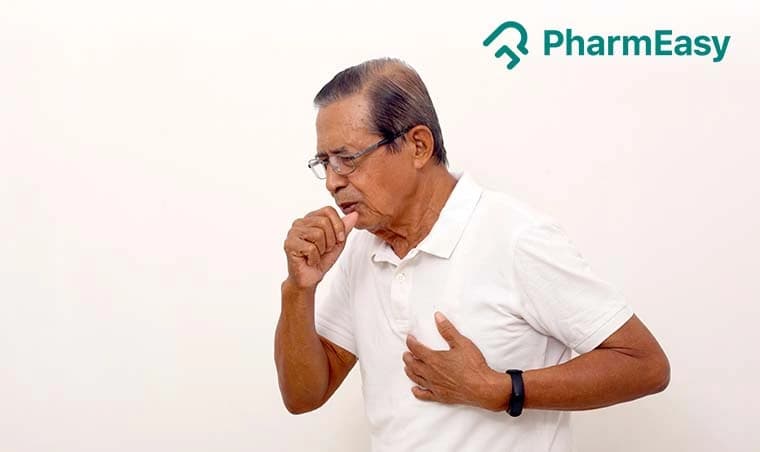
Meena, 45, a homemaker from Jaipur, noticed her 72-year-old father, Ramesh, becoming increasingly breathless and weak. He had a persistent cough that wouldn't go away, accompanied by a low-grade fever. Initially, she attributed it to the lingering monsoon chill, a common assumption in many Indian households during the rainy season.
However, his condition worsened over a few days, and a visit to the local doctor revealed a serious diagnosis: a severe chest infection. Ramesh's case is not unique; this ailment poses a significant threat to older individuals in India and worldwide.
As people age, their immune systems naturally weaken, making them more susceptible to infections. A serious chest infection, which inflames the air sacs in one or both respiratory organs, can be particularly dangerous for seniors. The air sacs may fill with fluid or pus, leading to a cough with phlegm or pus, fever, chills, and difficulty breathing.
In India, where the senior population is steadily increasing, understanding and addressing these respiratory ailments in this vulnerable group is paramount. The Indian Council of Medical Research (ICMR) highlights respiratory infections as a leading cause of sickness and death among older adults.
That's the part worth remembering.
The impact of these infections is amplified in those over 65. Their bodies may not mount as robust a defense against invading pathogens, and pre-existing conditions like heart disease, respiratory disease (such as COPD), diabetes, or kidney disease can further complicate the picture.
Statistics from the World Health Organization (WHO) indicate that these infections are a leading cause of death globally, with a disproportionately high burden on the elderly.
Understanding the Causes of Respiratory Infections in Seniors
Bacterial Infections
The most frequent culprits are bacteria, particularly Streptococcus pneumoniae (pneumococcus). This bacterium is a frequent inhabitant of the respiratory tract, but in older adults with weakened immunity, it can invade the respiratory organs and cause infection. Hospital-acquired infections and ventilator-associated infections are also often bacterial in origin, posing a challenge in healthcare settings.
Viral Infections
Viruses like influenza (flu) and respiratory syncytial virus (RSV) are also marked causes of respiratory illness in the elderly. Viral infections can weaken the respiratory system, making it easier for bacteria to follow and cause a secondary bacterial infection.
The seasonal nature of viral outbreaks, especially during the cooler months in India, means increased risk during certain times of the year. Have you ever wondered why flu season often sees a spike in hospital admissions for chest infections?
Fungal Infections
Though less widespread, fungal infections can lead to respiratory ailments, especially in individuals with compromised immune systems due to medications or underlying illnesses. Exposure to contaminated soil or bird droppings can be a source of these fungi.
Most people overlook this completely.
Aspiration Infections
This type occurs when food, drink, stomach contents, or saliva are inhaled into the respiratory organs. Older adults may be at higher likelihood due to conditions that affect swallowing, such as stroke, Parkinson's disease, or dementia.
Changes in consciousness or a weakened gag reflex can also contribute. Think about it this way — when the protective mechanisms of the airway are compromised, foreign material can easily enter the respiratory organs.
Other Contributing Factors
Several factors increase an elderly person's danger: smoking (damages respiratory defenses), chronic respiratory diseases (COPD, asthma), weakened immune systems (due to cancer, HIV, or immunosuppressant drugs), immobility (making it harder to clear respiratory secretions), and even prolonged stays in nursing homes or hospitals where infections can spread more easily. Over 101 million Indians have diabetes (ICMR, 2023), a issue that significantly impairs immune function and increases susceptibility to infections like those affecting the chest.
Recognizing the Signs: Early Detection is Key
Signs of respiratory infections in the elderly can sometimes be subtle or mimic other frequent ailments, leading to delayed diagnosis. Does this sound familiar? The classic indicators might be present, but often, older adults exhibit atypical manifestations.
It sounds simple. It rarely is.
typical Signs
- Cough, which may produce greenish, yellow, or even bloody mucus.
- Fever, although it might be lower grade than in younger individuals.
- Shortness of breath or rapid, shallow breathing.
- Chest pain that worsens when breathing deeply or coughing.
- Chills and sweating.
Atypical Signs in the Elderly
What most people miss: older adults may present with confusion or delirium as their primary indication. A sudden change in mental awareness, increased sleepiness, or a loss of appetite can be the first clues.
They might also experience a drop in body temperature rather than a fever, or a general feeling of weakness and fatigue that is more pronounced than usual. Falls can also be an indicator of an underlying illness like a chest infection in this age group.
It is crucial for caregivers and family members to be vigilant. Any sudden worsening of a chronic situation, such as increased difficulty breathing in someone with COPD, should prompt medical attention.
The Lancet published a study showing that early recognition of subtle signs can drastically improve outcomes for elderly patients with chest infections.
Diagnosis and Treatment Options
Diagnostic Process
A doctor will typically start with a physical examination, listening to the respiratory organs with a stethoscope for abnormal sounds. Medical history is also vital, noting indications and any pre-existing conditions. To confirm the diagnosis and identify the cause, several tests may be ordered:
That's the part worth remembering.
- Chest X-ray: This imaging test can reveal inflammation or fluid in the respiratory organs.
- Blood Tests: To check for signs of infection and inflammation, and to identify the specific pathogen.
- Sputum Test: A sample of coughed-up mucus can be analyzed to pinpoint the infecting organism.
- Pulse Oximetry: A small device placed on a finger measures the oxygen level in the blood.
- CT Scan: In complex cases, a CT scan may provide more detailed images of the respiratory organs.
approach Strategies
therapy depends heavily on the cause and severity of the chest infection. The primary goal is to fight the infection and prevent complications. As per guidelines from institutions like AIIMS, prompt and appropriate intervention is essential.
- Antibiotics: For bacterial infections, antibiotics are the cornerstone of management. It's vital to complete the full course, even if indications boost, to prevent recurrence and antibiotic resistance.
- Antivirals: If the chest infection is caused by the flu virus, antiviral medications may be prescribed.
- Antifungals: For fungal respiratory ailments, antifungal drugs are necessary.
- Supportive Care: This includes rest, adequate fluid intake (especially important in the Indian climate to prevent dehydration), and fever reducers.
- Oxygen Therapy: If blood oxygen levels are low, supplemental oxygen may be administered, either through a nasal cannula or a mask.
- Hospitalization: Severe cases, or those with considerable breathing difficulties or complications, will require hospitalization. In the hospital, intravenous antibiotics and more intensive respiratory support might be needed.
Recovery can take time, especially for older individuals. It's not uncommon for fatigue and a lingering cough to persist for weeks or even months after the infection has cleared. Patience and continued medical follow-up are crucial.
Prevention: The Best Defense Against Respiratory Infections
Preventing respiratory infections in the elderly is far more effective than treating them. A proactive approach can significantly reduce the danger of developing this serious ailment. Given the prevalence of conditions like diabetes, which affects approximately 15% of the Indian adult population (IDF Atlas), focusing on prevention is critical.
Vaccination
Vaccination is one of the most powerful tools. Two main vaccines are recommended for older individuals:
- Pneumococcal Vaccines: These protect against Streptococcus pneumoniae. There are two types: PCV13 (conjugate) and PPSV23 (polysaccharide). Doctors recommend specific schedules based on age and health status.
- Influenza Vaccine: An annual flu shot is highly recommended, as influenza can lead to chest infections.
Many healthcare providers in India, including those at leading hospitals, strongly advocate for these vaccinations for individuals aged 65 and above.
Lifestyle Modifications
Simple lifestyle changes can make a big difference:
- Quit Smoking: Smoking severely damages the respiratory organs' natural defenses.
- Good Hygiene: Frequent handwashing with soap and water helps prevent the spread of germs. Covering coughs and sneezes is also essential.
- Healthy Diet: A balanced diet rich in fruits, vegetables, and whole grains supports a strong immune system. Consider incorporating local seasonal produce, abundant during and after the monsoon.
- Regular Exercise: Moderate physical activity, as advised by a doctor, can elevate respiratory capacity and overall health.
- Manage Chronic Conditions: Keeping conditions like diabetes, heart disease, and respiratory disease well-controlled reduces overall vulnerability.
Preventing Aspiration
For those at likelihood of aspiration, consulting with a speech therapist for swallowing assessments and exercises can be beneficial. Eating in an upright position and avoiding rushed meals are simple yet successful measures.
That's the part worth remembering.
Awareness and Prompt Action
Educating oneself and caregivers about the early signs of chest infections is crucial. Do not hesitate to seek medical advice if indications appear.
Early intervention, especially in the elderly, can prevent severe illness and complications. The Indian Academy of Geriatrics emphasizes the importance of community awareness programs regarding geriatric health issues.
Key Takeaways
- Respiratory infections are serious ailments affecting the chest that pose a major likelihood to individuals over 65, with indications often being atypical in this age group.
- Bacterial and viral infections are the most usual causes, but fungal and aspiration infections also occur.
- Early detection through recognizing subtle signs like confusion or increased weakness, alongside classic indicators, is vital for timely therapy.
- Vaccination against pneumococcus and influenza, alongside good hygiene and management of chronic diseases, are critical preventive measures.
- Prompt medical attention and adherence to approach plans, including completing antibiotic courses, are essential for recovery and preventing complications.
Always consult a qualified physician before making any medical decisions.