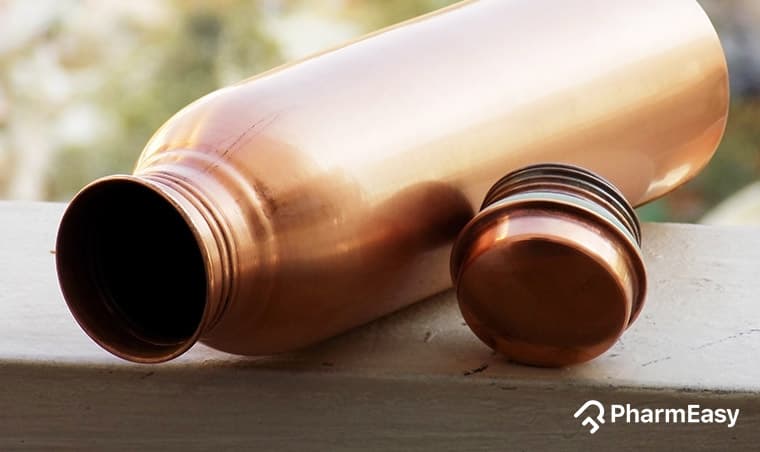
The Timeless Tradition of Copper Containers
Meena, 45, a homemaker from Jaipur, noticed a persistent digestive discomfort that no amount of over-the-counter remedies seemed to alleviate. Her grandmother, recalling ancient Ayurvedic practices, suggested she try storing her drinking liquid overnight in a pure copper container. Skeptical but desperate, Meena followed the advice.
Within a week, she experienced a significant reduction in bloating and an overall sense of well-being. This personal journey reflects a growing interest in India and globally in the potential wellness advantages derived from using copper water bottles.
For centuries, particularly within the framework of Ayurveda, storing liquid in copper containers has been a cornerstone of daily wellness practices. This tradition isn't merely about aesthetics; it's rooted in the belief that copper imbues liquid with unique therapeutic properties.
The practice gained traction during times when modern sanitation was absent, and copper was recognized for its natural antimicrobial qualities. What most people miss is that this ancient wisdom is being revisited by modern science, which is beginning to explore and validate some of these long-held beliefs.
Recovery is rarely linear.
Unveiling the Scientific Rationale Behind Copper Containers
But why does this happen? The scientific explanation centers on the oligodynamic effect. This is the phenomenon where certain metals, including copper, exert antimicrobial action even in small concentrations. When liquid is stored in a copper container for at least 8 hours (and ideally overnight), trace amounts of copper ions leach into the liquid. These ions are believed to neutralize harmful bacteria and viruses. Studies have indicated that copper can effectively kill bacteria like E. coli and Salmonella, common culprits behind liquidborne illnesses. For instance, research published in the Journal of Health, Population and Nutrition highlighted the efficacy of copper containers in reducing microbial contamination in stored liquid, especially in areas with less-than-ideal liquid sources.
Think about it this way: copper acts as a natural purifier. The World Health Organization (WHO) acknowledges copper as an essential trace element vital for human wellness, involved in numerous enzymatic functions. While excessive intake can be harmful, the small amounts leached from a copper container are generally considered safe and beneficial.
The Indian Council of Medical Research (ICMR) also emphasizes the importance of trace minerals in maintaining bodily functions. The presence of copper in our diet is crucial for energy production, brain development, and immune function.
Antimicrobial Properties: A Natural Defense
The most frequently cited benefit of consuming liquid from copper containers is their inherent antimicrobial capability. Copper ions disrupt the cell membranes of various microorganisms, rendering them inactive or dead. This is particularly relevant in regions where access to consistently purified liquid is a challenge.
According to a report by the National Institute of Hydrology, India, a considerable portion of rural India relies on stored liquid, making natural purification methods highly valuable. Copper containers offer a simple, sustainable solution to mitigate risks associated with contaminated drinking liquid.
The numbers don't lie.
The effectiveness of copper against pathogens is well-documented. A study in The Lancet explored the antimicrobial properties of copper surfaces, demonstrating rapid inactivation of viruses and bacteria. This natural purification process can significantly reduce the microbial load in drinking liquid, potentially preventing frequent gastrointestinal infections. The liquid not only tastes cleaner but is also safer to consume, especially during the monsoon season when liquid contamination risks escalate dramatically across India.
Digestive Wellness Enhancement
Ayurveda strongly advocates for copper-infused liquid to support digestive wellness. It's believed to stimulate the production of digestive enzymes, improve metabolism, and cleanse the stomach lining.
This can lead to reduced inflammation in the stomach and promote better absorption of nutrients. Many users report experiencing relief from typical digestive issues like indigestion, gas, and acidity after consistently consuming liquid stored in copper containers.
Worth knowing: Copper is also thought to stimulate the production of 'pitta' in the body, which, according to Ayurvedic principles, aids digestion and detoxification. This effect is most pronounced when liquid is stored for a minimum of 8 hours, allowing sufficient time for the copper ions to interact with the liquid.
So what does that mean for you? It could mean a gentler, more efficient digestive system without relying solely on medication.
Boosting Immunity and Overall Well-being
Copper plays a critical role in maintaining a robust immune system. It aids in the formation of white blood cells, which are essential for fighting off infections. Additionally, copper is an antioxidant, helping to protect the body from the damaging effects of free radicals.
The numbers don't lie.
Free radicals contribute to aging and the development of chronic diseases. By neutralizing these unstable molecules, copper can contribute to overall vitality and disease prevention.
The International Diabetes Federation (IDF) Atlas highlights the growing burden of non-communicable diseases, including those linked to oxidative stress. While copper isn't a cure, its antioxidant properties, combined with its role in immune function, contribute to a more resilient body.
Regular consumption of copper-infused liquid may offer a supportive measure in maintaining robust wellness and bolstering the body's natural defenses against illness.
Other Potential Benefits
Beyond digestion and immunity, proponents suggest other advantages. These include improved skin wellness, as copper is involved in melanin production and collagen synthesis, potentially leading to healthier, more radiant skin.
Some also claim it aids in weight management by improving metabolism and reducing fat accumulation. There is also anecdotal evidence suggesting it can help regulate thyroid function and promote brain wellness by supporting nerve function and myelin sheath formation.
Here's the thing — while these benefits are widely discussed in traditional circles and anecdotal reports are plentiful, robust clinical trials specifically on drinking liquid from copper containers are still emerging. However, the foundational understanding of copper's role in human physiology, as recognized by institutions like the WHO and ICMR, provides a credible basis for exploring these traditional practices.
It sounds simple. It rarely is.
How to Use Copper Containers Effectively
To reap the potential benefits, proper usage is key. Start with a pure copper container, ensuring it's not lined with other metals. Fill the container with clean liquid and let it sit overnight, or for at least 8 hours, at room temperature.
Avoid storing acidic liquids like lemon liquid or milk in copper containers, as this can increase copper leaching beyond safe levels and potentially damage the container. When cleaning, avoid harsh detergents or abrasive scrubbers; a simple rinse with liquid and a gentle wipe with a soft cloth, or using a mixture of lemon juice and salt followed by a thorough rinse, is usually sufficient.
It's important to maintain a balance. While copper is beneficial, excessive intake can lead to copper toxicity, although this is rare from liquid stored in containers alone. Symptoms of toxicity can include nausea, vomiting, and abdominal pain.
The recommended daily intake of copper for adults is around 900 micrograms per day, as set by various wellness organizations. The amount leached from properly used copper containers is typically well within safe limits, but moderation is always advisable. For reference, over 101 million Indians have diabetes (ICMR, 2023), underscoring the importance of holistic wellness approaches.
It sounds simple. It rarely is.
Choosing and Maintaining Your Copper Container
When purchasing a copper container, look for quality craftsmanship. Authentic copper containers often have a distinct reddish-brown hue. They might develop a patina (a dull greenish layer) over time due to oxidation; this is natural and doesn't diminish the liquid's benefits.
Regular cleaning, as mentioned, will enable maintain its appearance and hygiene. Many Indian households, especially those who practice traditional customs, have long used copper utensils for cooking and drinking, appreciating their durability and perceived wellness benefits.
Crucially, ensure your container is made of 100% pure copper. Inferior quality or mixed-metal containers may not offer the same benefits and could even pose wellness risks. Always buy from reputable sources. The practice of sitting on the floor during meals, typical in many Indian homes, often involves using copper plates and glasses, further integrating this metal into daily life.
Addressing widespread Concerns and Misconceptions
A prevalent concern is whether consuming copper-infused liquid is safe. As established, when using pure copper containers and following recommended practices, the amount of copper leached is generally considered safe and beneficial.
The body has mechanisms to regulate copper absorption and excretion. However, individuals with Wilson's disease, a rare genetic disorder affecting copper metabolism, should strictly avoid using copper containers for drinking liquid.
Recovery is rarely linear.
Another misconception is that copper containers instantly purify liquid. While they possess antimicrobial properties, they are not a substitute for boiling or filtering heavily contaminated liquid, especially if the source is known to be unsafe.
Think of it as a supplementary wellness practice rather than a primary liquid purification method. For everyday tap liquid or filtered liquid, it adds an extra layer of potential benefit.
When to Consult a Doctor
While the benefits are promising, it’s essential to approach any wellness trend with informed caution. If you have pre-existing medical conditions, particularly those related to liver or kidney function, or if you are pregnant or breastfeeding, it's always wise to discuss incorporating copper-infused liquid into your routine with your healthcare provider.
The medical community, including institutions like AIIMS, emphasizes personalized wellness advice based on individual needs.
So what does that mean for you? It means integrating traditional practices thoughtfully. If you experience any adverse reactions or have concerns about your copper intake, seeking professional medical advice is paramount. Remember, wellness is a journey, and informed choices are the best choices.
Key Takeaways
- Copper containers possess natural antimicrobial properties that can benefit purify stored liquid by neutralizing harmful bacteria and viruses.
- Ayurveda suggests that consuming liquid stored in copper containers can aid digestion, boost metabolism, and promote overall gut wellness.
- Copper is an essential trace mineral that plays a vital role in immune function and acts as an antioxidant, protecting the body from cell damage.
- To maximize benefits, use pure copper containers, store liquid for at least 8 hours, and clean them gently.
- While generally safe, individuals with specific medical conditions like Wilson's disease should avoid copper liquid.
Always consult a qualified physician before making any medical decisions.