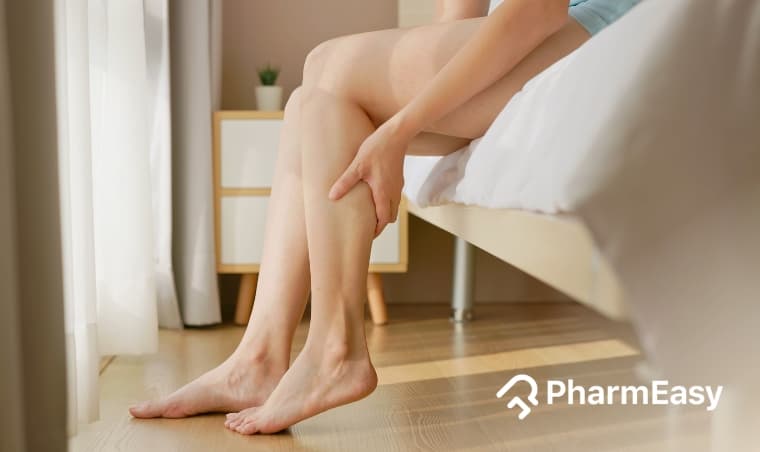
Understanding Calf Strain: A Common Muscular Concern
Meena, 45, a homemaker from Jaipur, experienced a sudden, sharp discomfort in her right lower leg while quickly stepping off a bus. The pain was so intense she could barely put weight on her limb. This is a classic presentation of a calf strain, a usual yet often debilitating issue affecting the tissues at the back of the lower leg.
These tissues, primarily the gastrocnemius and soleus, are crucial for walking, running, and jumping. A strain happens when these tissue fibres are overstretched or torn.
The reality is, calf strains can happen to anyone, from elite athletes to everyday individuals. Think about it this way: these tissues work hard with every step you take.
Overexertion, abrupt movements, or inadequate warm-up can push them beyond their capacity. Honestly, the discomfort can range from a mild ache to excruciating pain, significantly impacting mobility.
Causes of Calf Strain: Why Does This Happen?
Overexertion and Fatigue
One of the most frequent culprits behind calf strains is tissue fatigue. When tissues are tired, their ability to withstand stress diminishes, making them more susceptible to damage.
This is particularly relevant during long periods of physical activity or when increasing exercise intensity too rapidly without allowing the body to adapt. The tissues simply become overworked and give way.
Sudden Movements and Overstretching
Activities involving abrupt acceleration, deceleration, or explosive movements are high-risk. Consider a cricket player sprinting for a catch or a dancer leaping on stage. These actions place immense, rapid tension on the calf tissues.
If the tissue isn't flexible enough or the movement is too abrupt, fibres can tear. A sudden overstretching, perhaps from an awkward landing or a quick change in direction, can also lead to a strain.
Inadequate Warm-up and Flexibility
Skipping a proper warm-up before exercise is a prevalent mistake that significantly increases the chance of calf strain. Warm tissues are more pliable and better able to handle exertion. Similarly, poor flexibility in the calf tissues means they have a reduced range of motion.
This is where most patients struggle.
This lack of suppleness makes them more prone to tearing when subjected to abrupt demands. Many people, especially those who lead sedentary lives, might not realise how tight their calf tissues have become.
Previous Calf Injury
If you've experienced a calf strain before, you're at a higher possibility of re-damage. Scar tissue from a previous issue might be less flexible than healthy tissue, creating a weak spot.
It’s vital to ensure complete rehabilitation and strengthening after an initial problem to prevent recurrence. The temptation to return to normal activities too soon is a major factor here.
Biomechanical Factors
Sometimes, underlying issues with how you move can contribute. This might include issues like flat feet (pes planus) or an abnormal gait, which can place uneven stress on the calf tissues over time.
Even wearing high heels frequently can shorten the calf tissues, making them more vulnerable when transitioning to flat shoes or engaging in physical activity. These subtle factors can add up.
Dehydration and Electrolyte Imbalance
While not always the primary cause, dehydration and an imbalance of electrolytes (like potassium and sodium) can contribute to tissue cramps and potentially increase the chance of strains, especially during prolonged exercise in hot weather. This is particularly relevant during India's sweltering summer months or after intense workouts.
Symptoms of Calf Strain: Recognizing the Signs
The signs of a calf strain can vary depending on the severity of the issue, ranging from Grade 1 (mild) to Grade 3 (complete tear). Here's what you might experience:
Sudden, Sharp Pain
The hallmark symptom is a sudden, sharp pain in the calf, often described as feeling like being kicked or hit. This pain typically occurs during activity but can also manifest at rest if the tear is significant. The intensity of the pain often dictates the severity of the strain.
Tenderness and Soreness
The affected area of the calf will likely be tender to the touch. You might feel a persistent ache or soreness, even after the initial sharp pain subsides. This tenderness can make it difficult to walk or stand comfortably.
The numbers don't lie.
Swelling and Bruising
Depending on the extent of the tissue tear, swelling and bruising (ecchymosis) may develop in the calf. Bruising might appear a day or two after the issue and can spread down towards the ankle. The presence and extent of swelling often correlate with the severity of the tissue damage.
Difficulty Walking or Standing
Bearing weight on the affected leg can be painful or impossible, especially with more severe strains. You might find yourself limping or needing crutches to move around. This loss of function is a clear indicator that something is seriously wrong.
A Popping Sensation
Some individuals, particularly with a complete tissue tear (Grade 3 strain), report hearing or feeling a distinct 'pop' at the moment of the issue. This sensation is often accompanied by immediate and severe pain and a considerable loss of tissue function.
So what does that mean for you? Prompt recognition of these warning signs is crucial for initiating timely and appropriate treatment, which can significantly influence the recovery process.
Diagnosing a Calf Strain
A healthcare professional will typically diagnose a calf strain based on your medical history and a physical examination. They will ask about how the issue occurred and assess the location, severity, and type of pain. Palpation of the calf tissues helps identify the damaged area and any associated tenderness or swelling.
This is where most people struggle.
In some cases, imaging tests might be recommended to confirm the diagnosis and rule out other conditions, such as a deep vein thrombosis (DVT) or a stress fracture. An ultrasound is often effective in visualising tissue tears.
In more complex situations, an MRI scan may be used to provide detailed images of the tissue. The Indian Council of Medical Research (ICMR) highlights the importance of accurate diagnosis for proven management.
Calf Strain Recovery: Tips for Healing
Recovering from a calf strain requires patience and a structured approach. The primary goals are to reduce pain and inflammation, protect the damaged tissue, and gradually restore strength, flexibility, and function. Adherence to the RICE protocol is fundamental in the initial stages.
The RICE Protocol (Rest, Ice, Compression, Elevation)
Rest: Avoid activities that aggravate the pain. This might mean temporarily stopping sports or even modifying daily activities. For severe strains, complete rest might be necessary for several days or even weeks. The body needs time to begin its repair process without further insult.
Ice: Apply ice packs to the damaged area for 15-20 minutes every 2-3 hours during the first 48-72 hours. This helps to constrict blood vessels, reducing swelling, pain, and inflammation. Always use a cloth barrier between the ice pack and your skin to prevent frostbite.
Compression: Use an elastic compression bandage to wrap the calf. This provides support and helps minimise swelling. Ensure the bandage is snug but not too tight, as this could restrict blood flow. It's often best to apply compression after the initial swelling begins to subside, or as advised by a medical professional.
Elevation: Keep the damaged leg raised above the level of your heart whenever possible. This aids in draining excess fluid away from the damaged area, further reducing swelling. Propping your leg up on pillows while resting is an easy way to achieve this.
Pain Management
Over-the-counter pain relievers like paracetamol can help manage pain. Non-steroidal anti-inflammatory drugs (NSAIDs) such as ibuprofen may also be used, but consult your doctor first, especially if you have other health conditions. Following the World Health Organization (WHO) guidelines on pain management is always advisable.
That alone changes everything.
Gradual Return to Activity
Once the initial pain and swelling have subsided, a gradual return to activity is essential. This typically involves a phased approach:
- Gentle Stretching: Once pain allows, begin with gentle, passive stretching of the calf tissues. Hold stretches without bouncing.
- Strengthening Exercises: Progress to light strengthening exercises, such as calf raises (initially with both legs, then progressing to the damaged leg alone), toe raises, and resistance band exercises. These should be performed slowly and with control.
- Proprioception and Balance: Incorporate exercises to improve balance and coordination, like standing on one leg. This helps retrain the tissues' ability to react to uneven surfaces.
- Cardiovascular Exercise: Begin with low-impact activities like swimming or cycling, gradually increasing intensity and duration as tolerated. Avoid high-impact activities until full strength and pain-free movement are restored.
A study published in The Lancet highlighted that a structured, progressive rehabilitation program significantly improves outcomes for tissue strains, reducing the possibility of re-damage. For instance, a person recovering from a mild strain might be back to light walking within a week, while a severe tear could require several weeks or even months before a full return to sport.
This phased approach is critical for long-term healing.
Preventing Re-injury
Prevention is key to avoiding the pain and disruption caused by calf strains. Think about it this way: building resilience in your calf tissues will serve you well. This involves:
- Consistent Warm-up: Always perform a dynamic warm-up before any physical activity, including light cardio and dynamic stretches.
- Regular Stretching: Maintain good flexibility in your calf tissues through regular static stretching, especially after exercise. Holding stretches for 20-30 seconds is recommended.
- Proper Training Progression: Gradually increase the intensity, duration, and frequency of your workouts. Avoid abrupt spikes in activity levels.
- Strength Training: Incorporate regular strength training exercises that target the calf tissues and surrounding leg tissues. Stronger tissues are more resistant to damage.
- Listen to Your Body: Pay attention to signals of fatigue or discomfort. Don't push through pain; rest and recover when needed. This is especially important during the monsoon season when humidity can affect tissue performance, or after indulging in richer festival diets that might lead to less physical activity.
- Appropriate Footwear: Wear supportive footwear that is appropriate for your activity.
Here's the thing: even with the best preventative measures, issues can still occur. However, by understanding the causes, recognizing the indicators, and following a structured recovery plan, you can significantly enhance your chances of a full and speedy return to your daily life and activities.
Key Takeaways
- Calf strains involve overstretching or tearing of the gastrocnemius or soleus tissues.
- frequent causes include overexertion, abrupt movements, poor flexibility, and inadequate warm-ups.
- indicators range from sharp pain and tenderness to swelling, bruising, and difficulty walking.
- The RICE protocol (Rest, Ice, Compression, Elevation) is crucial for initial recovery.
- A gradual, progressive rehabilitation program focusing on stretching and strengthening is vital for a full recovery and to prevent re-damage.
Always consult a qualified physician before making any medical decisions.