Understanding Bacterial Pneumonia: A Guide for Indian Patients
Meena, 45, a homemaker from Jaipur, noticed a persistent, hacking cough that refused to subside after her usual bout of cold. Accompanying this were high fever, chills that shook her entire body, and a distressing shortness of breath, making even simple household chores feel like an insurmountable task.
She also experienced sharp chest pain, particularly when she inhaled deeply or coughed. Honestly, these signs, while alarming, are quite typical of bacterial pneumonia, a serious pulmonary ailment that affects millions in India annually.
The reality is, this lung inflammation isn't just one condition; it's an ailment that inflames the air sacs in one or both lungs. These air sacs, called alveoli, may fill with fluid or pus (purulent material), causing cough with phlegm or pus, fever, chills, and difficulty breathing. When specific microbes are the culprits, we call it bacterial pneumonia.
This particular form can range from mild to life-threatening and requires prompt medical attention. In India, with its diverse climate and population density, understanding and managing this pulmonary situation is crucial. Have you ever wondered why certain respiratory ailments become so prevalent?
Most people overlook this completely.
What Exactly Is Bacterial Pneumonia?
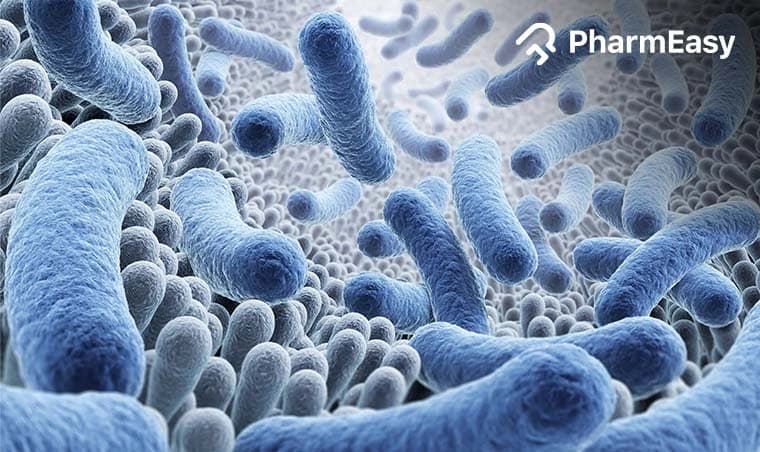
Bacterial pneumonia is an affliction of the lungs caused by specific types of microorganisms. These microscopic organisms invade the lung tissue, triggering an inflammatory response. The body's immune system rushes to fight the ailment, but this battle can lead to the alveoli becoming filled with fluid or pus. This accumulation impedes the lungs' ability to transfer oxygen into the bloodstream, leading to the hallmark indications of the illness.
Globally, this type of pulmonary inflammation accounts for a significant portion of community-acquired pneumonia (CAP) cases. In many instances, it can develop suddenly, often following a cold or flu. The World Health Organization (WHO) estimates that this lung illness is the single largest infectious cause of death globally, responsible for 15% of all deaths in children under 5 years old.
Common Causes of Bacterial Pneumonia in India
Several types of microbes can cause this pulmonary concern. The most frequent culprits include Streptococcus pneumoniae (pneumococcus), which is responsible for a large percentage of bacterial lung inflammation cases worldwide. Other notable microbial pathogens include Haemophilus influenzae, Mycoplasma pneumoniae, and Chlamydophila pneumoniae. In India, factors like crowded living conditions, poor sanitation, malnutrition, and varying levels of access to healthcare can contribute to higher incidences and potentially more severe outcomes.
The monsoon season, for instance, often brings a surge in respiratory ailments, including this lung affliction, due to increased humidity and the proliferation of airborne pathogens. Additionally, lifestyle factors such as smoking, excessive alcohol consumption, and prolonged periods of sitting on the floor (a usual cultural practice) can potentially compromise respiratory health and increase susceptibility.
The Indian Council of Medical Research (ICMR) has highlighted the burden of respiratory diseases in the country, emphasizing the need for public awareness and preventive measures.
Risk Factors for Developing Bacterial Pneumonia
While anyone can develop this type of lung affliction, certain individuals are at a higher danger. These include:
- Infants and young children (under 2 years old)
- Older adults (65 years and older)
- Individuals with weakened immune systems (due to HIV/AIDS, chemotherapy, organ transplant, or long-term steroid use)
- People with chronic health conditions like asthma, COPD, heart disease, or diabetes. Over 101 million Indians have diabetes (ICMR, 2023), making them particularly vulnerable.
- Those who have recently had a viral respiratory ailment, such as the flu or COVID-19.
- Smokers and individuals exposed to secondhand smoke.
The reality is, a compromised immune system is a major gateway for microbial invasion. Here's the thing — even a minor ailment can sometimes escalate if the body's defenses are not robust enough.
Recognizing the Symptoms: What to Look For
The indications of bacterial pneumonia can appear suddenly and often mimic those of the flu. But why does this happen? The body's inflammatory response to the microbial invasion causes a rapid onset of systemic and respiratory distress.
That's the part worth remembering.
widespread signs and indications include:
- Fever: Often high, sometimes accompanied by sweating and shaking chills.
- Cough: Typically produces phlegm that can be greenish, yellow, or even rust-colored.
- Shortness of Breath: May occur during simple activities or even at rest.
- Chest Pain: Sharp or stabbing pain, often worse when breathing deeply or coughing.
- Fatigue: Extreme tiredness and lack of energy.
- Nausea and Vomiting: More frequent in children.
- Diarrhea: Can also occur, particularly in some types of this pulmonary concern.
- Confusion or Changes in Mental Awareness: Especially in older adults.
It's important to remember that indications can vary depending on the specific microbe, the individual's age, and their overall health. Some forms, like 'walking pneumonia' caused by Mycoplasma pneumoniae, might present with milder indications that can be easily mistaken for a frequent cold.
Diagnosis: How Doctors Identify Bacterial Pneumonia
Diagnosing this lung affliction involves a combination of medical history, physical examination, and diagnostic tests. Your doctor will likely ask about your indications, their onset, and any underlying health conditions.
During a physical exam, they will listen to your lungs with a stethoscope (auscultation) to detect abnormal sounds like crackles or decreased breath sounds.
Key diagnostic tools include:
- Chest X-ray: This is often the primary imaging test used to confirm the presence of this pulmonary disorder and assess its severity and location. It can reveal the characteristic white patches (infiltrates) in the lungs caused by inflammation and fluid.
- Blood Tests: These can help identify the presence of ailment and inflammation in the body. Specific tests might be ordered to look for particular microbes or viruses.
- Sputum Test: A sample of your coughed-up phlegm is analyzed in a laboratory to identify the specific type of microbe causing the ailment. This is crucial for guiding antibiotic treatment.
- Pulse Oximetry: A small device placed on your fingertip measures the oxygen saturation level in your blood, indicating how well your lungs are functioning. Low levels necessitate immediate intervention.
- CT Scan: In some complex cases, a CT scan may be performed for a more detailed view of the lungs.
Honestly, a timely and accurate diagnosis is paramount for effective intervention. The faster we identify the cause, the sooner we can start the right course of action.
intervention Strategies for Bacterial Pneumonia
The cornerstone of bacterial pneumonia therapy is antibiotics. The choice of antibiotic depends on the suspected or confirmed type of microbe, the severity of the ailment, and any allergies the patient may have.
It is absolutely essential to complete the entire course of antibiotics as prescribed by your doctor, even if you start feeling better. Stopping early can lead to the ailment returning and potentially becoming resistant to care.
management approaches may include:
- Antibiotics: Prescribed by your doctor. Oral antibiotics are usual for milder cases treated at home, while intravenous (IV) antibiotics may be necessary for severe ailments requiring hospitalization.
- Rest: Adequate rest helps the body conserve energy to fight the ailment.
- Hydration: Drinking plenty of fluids—water, clear broths, and juices—helps loosen mucus in the lungs and makes it easier to cough up.
- Fever and Pain Relief: Over-the-counter medications like paracetamol or ibuprofen can support manage fever and chest pain. Always follow dosage instructions.
- Hospitalization: Severe cases of this pulmonary situation, especially those involving difficulty breathing, low oxygen levels, or complications, require hospitalization. In the hospital, sufferers may receive IV fluids, oxygen therapy, and more potent antibiotics.
The duration of intervention typically ranges from 7 to 14 days, but it can be longer depending on the severity and the patient's response. The International Diabetes Federation (IDF) notes that individuals with diabetes often face longer recovery times and a higher danger of complications from ailments like pneumonia, underscoring the importance of good diabetes management.
Recovery is rarely linear.
Preventive Measures: Protecting Your Lungs
Prevention is always better than cure. Several steps can significantly reduce the danger of developing bacterial pneumonia:
- Vaccination: Vaccines like the pneumococcal vaccine (PCV13, PPSV23) and the annual flu vaccine are highly impactful in preventing ailments caused by usual pneumonia-causing microbes and viruses.
- Good Hygiene: Frequent handwashing with soap and water, especially after coughing or sneezing and before eating, is crucial. Covering your mouth and nose when coughing or sneezing is also vital.
- Avoid Smoking: Smoking damages your lungs' defenses against respiratory ailments. Quitting smoking is one of the best things you can do for your lung health.
- Healthy Lifestyle: Maintaining a balanced diet, getting regular exercise, and managing chronic health conditions contribute to a stronger immune system.
- Limit Exposure: Avoid close contact with people who are sick.
The Lancet has published numerous studies highlighting the impact of air pollution on respiratory health in India, emphasizing that reducing exposure to pollutants can also play a role in prevention.
Living with and Recovering from Pneumonia
Recovering from this lung affliction takes time. Even after the fever subsides and you feel stronger, you might experience lingering fatigue and a persistent cough for several weeks. Listen to your body and gradually increase your activity levels. Ensure you continue to stay hydrated and get plenty of rest.
Follow-up appointments with your doctor are essential to monitor your recovery and ensure the ailment has fully cleared. They may recommend pulmonary rehabilitation exercises to support regain lung function and strength.
Honestly, patience and adherence to medical advice are key during this recovery phase. It's vital to regain full strength before resuming strenuous activities, especially after a considerable illness like pneumonia.
When to Seek Immediate Medical support
While most cases of bacterial pneumonia are treatable, certain warning signs necessitate immediate medical attention. These include:
- Difficulty breathing or severe shortness of breath
- Chest pain that is severe or worsens with breathing
- High fever that doesn't respond to medication
- Confusion or disorientation
- Bluish lips or fingernails (cyanosis), indicating low oxygen levels
- Worsening of chronic medical conditions
In these situations, do not delay; seek emergency medical care at the nearest hospital. Early intervention can be life-saving.
Key Takeaways
- Bacterial pneumonia is a serious lung ailment caused by microbes, leading to inflammation and fluid in the alveoli.
- Indications often include sudden high fever, chills, a productive cough, chest pain, and shortness of breath.
- Diagnosis typically involves a chest X-ray, blood tests, and possibly a sputum culture to identify the causative microbes.
- care primarily involves a full course of prescribed antibiotics, rest, and adequate hydration.
- Preventive measures such as vaccination, good hygiene, and avoiding smoking are crucial.
Always consult a qualified physician before making any medical decisions.