Understanding Liver Function Tests (LFTs)
Meena, 45, a homemaker from Jaipur, experienced persistent tiredness and a slight yellowing of her eyes. Her family physician, concerned, suggested a Liver Function Test (LFT). This common examination is vital for evaluating the well-being of your liver, a crucial organ performing over 500 essential tasks, including purification, protein creation, and nutrient processing.
In India, where hepatic ailments pose a considerable public welfare challenge, grasping LFTs is paramount. The truth is, many individuals in India, particularly during celebratory periods with rich meals, might inadvertently stress their liver. This examination aids in identifying hepatic damage or illness early.
But why does this occur? The liver acts as a diligent worker, constantly processing all that we consume, drink, and are exposed to. When it becomes overwhelmed or harmed, its capabilities can be compromised, leading to various physical ailments.
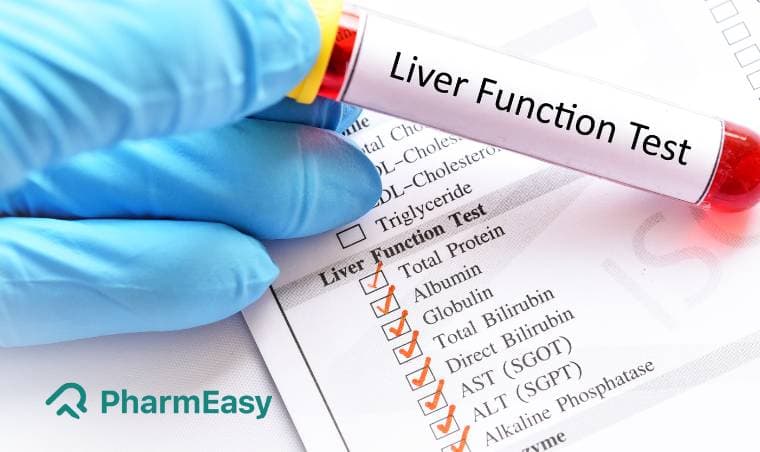
An LFT is not a solitary examination but a collection of blood analyses that quantify specific enzymes, proteins, and other substances generated or released by the liver. These quantifications offer valuable insights into the efficiency of your liver's operations.
Here's where it gets interesting.
The Importance of Liver Function Tests
A routine LFT can be a lifesaver. It assists in identifying and overseeing diverse hepatic conditions. These encompass viral hepatitis (such as Hepatitis A, B, and C), alcohol-induced hepatic ailments, steatosis of the liver (NAFLD and AFLD), cirrhosis, and hepatic malignancies.
Consider it this way: your liver serves as the body's primary cleansing mechanism. If the filter becomes obstructed or damaged, harmful substances can accumulate, impacting your entire system. The Indian Council of Medical Research (ICMR) has underscored the increasing prevalence of non-alcoholic fatty liver disease (NAFLD) in India, affecting an estimated 30-40% of the urban populace.
What's more,, LFTs are indispensable for supervising individuals undergoing certain treatments known to affect the liver. Some medications, while addressing other conditions, can unintentionally cause hepatic harm. Regular oversight via LFTs guarantees that any potential detriment is recognized promptly.
It also serves as a key assessment for those with a familial predisposition to hepatic conditions or individuals who consume excessive alcohol. 3% of all global fatalities, with hepatic cirrhosis being a primary outcome.
This is where most patients struggle.
Key Components of an LFT
An LFT panel typically comprises several analyses:
- Albumin: A protein synthesized by the liver. Diminished concentrations can signify hepatic detriment or inadequate nutrition.
- Alanine Aminotransferase (ALT) and Aspartate Aminotransferase (AST): Enzymes present in the liver. Elevated concentrations usually suggest hepatic inflammation or cellular injury.
- Alkaline Phosphatase (ALP): An enzyme produced by the liver and bone. Elevated levels can point to hepatic ailment or issues with the bile ducts.
- Bilirubin: A byproduct from the degradation of red corpuscles, processed by the liver. High concentrations result in jaundice and can indicate hepatic malfunction.
- Gamma-Glutamyl Transferase (GGT): An enzyme that is raised in hepatic conditions, particularly those linked to bile ducts and alcohol intake.
- Prothrombin Time (PT) / International Normalized Ratio (INR): Assesses the duration for coagulation of the blood, a process dependent on hepatic proteins. Extended PT/INR can indicate significant hepatic damage.
How is a Liver Function Test Performed?
The process for an LFT is uncomplicated and involves a straightforward venipuncture. A healthcare practitioner will typically collect a specimen from a vein in your arm using a needle. The obtained specimen is then dispatched to a laboratory for examination. The entire undertaking is swift, usually concluding within a few minutes.
Typically, no special preparation is mandated, although your physician might request you to abstain from food for 8-12 hours prior, especially if other examinations are conducted concurrently. This is meaningful because nutrient consumption can sometimes influence the levels of certain substances measured in the LFT. The International Diabetes Federation (IDF) Atlas reports that India has the second-highest number of individuals with diabetes globally, a condition often associated with steatosis of the liver.
Normal Ranges for Liver Function Tests
Interpreting LFT findings necessitates careful consideration of the standard ranges, which can exhibit minor variations between laboratories. Nevertheless, general reference intervals are provided below (values are approximate and for informational purposes only):
- ALT: 7-56 U/L
- AST: 10-40 U/L
- ALP: 44-147 U/L
- Total Bilirubin: 0.3-1.2 mg/dL
- Albumin: 3.5-5.5 g/dL
It is imperative to remember that these are merely guides. A single deviation from the norm, whether elevated or diminished, does not automatically signify a hepatic issue. Clinicians evaluate these results in conjunction with your medical background, observed symptoms, and other diagnostic assessments.
Most people overlook this completely.
What action should you take? Engage in a thorough discussion of your results with your healthcare provider.
Cost of LFT in India
The expense associated with an LFT in India is generally reasonable, rendering it accessible to a broad segment of the population. The price can fluctuate based on the locale, the diagnostic facility, and the specific analyses included in the panel. Typically, a fundamental LFT panel might cost between ₹300 and ₹800. Certain advanced or thorough hepatic panels could incur slightly higher charges, ranging up to ₹1500-₹2000.
Numerous diagnostic networks such as Dr. Lal PathLabs, Metropolis Healthcare, and Thyrocare provide LFT packages at competitive rates. It's valuable to know: Several public hospitals and primary care facilities offer subsidized or complimentary LFTs, particularly for individuals holding BPL cards or during designated health initiatives organized by institutions like the All India Institute of Medical Sciences (AIIMS).
When Should an LFT Be Performed?
You should consider undergoing an LFT if you experience any of the following indicators:
- Unexplained exhaustion or debility
- Discomfort or distension in the abdominal region
- Yellowish hue of the skin and eyes (jaundice)
- Feelings of sickness or an urge to vomit
- Darkened urine
- Pale fecal matter
- Diminished desire for food
- Irritated skin
Additionally, regular LFTs are advised for individuals with:
- A history of excessive alcohol consumption
- Diabetes or obesity
- Exposure to viral hepatitis
- A family background of hepatic ailments
- Those currently using medications that may impact the liver
Here's the reality – even if you feel perfectly well, your physician may suggest an LFT as part of a standard wellness evaluation, particularly if you are over 40 or possess risk factors. Early identification is critical for effective management of hepatic well-being.
For instance, recognizing fatty liver at an early stage allows for lifestyle adjustments that can reverse the disorder before it advances to more serious phases like fibrosis or cirrhosis.
Maintaining a Healthy Liver
Safeguarding your liver is an active undertaking. While LFTs aid in identifying issues, prevention consistently surpasses treatment. Simple modifications to your daily routine can profoundly influence hepatic wellness. Consuming a balanced diet, abundant in fruits, vegetables, and whole grains, is fundamental. Restricting the intake of processed items, excessive sugars, and unhealthy fats is also vital.
That's the part worth remembering.
Reducing alcohol consumption or abstaining entirely is one of the most potent strategies to shield your liver. Consistent physical activity assists in maintaining a healthy body mass and lowers the likelihood of hepatic steatosis. Engaging in safe sexual practices and avoiding the sharing of needles can prevent the transmission of viral hepatitis. The Lancet has published numerous studies highlighting the impact of lifestyle on hepatic well-being, emphasizing that a wholesome lifestyle can significantly alleviate the burden of hepatic conditions in India.
Consider the monsoon season in India, when food and waterborne illnesses are more prevalent. Ensuring food sanitation and consuming potable water are essential steps to protect your liver from infections.
Even basic practices like avoiding prolonged sitting on the floor during meals, especially in damp weather, can contribute to general well-being, indirectly supporting hepatic function by fostering a healthier way of living. The Liver Foundation of India (LFI) frequently conducts educational campaigns on hepatic wellness, underscoring these preventative strategies.
Key Takeaways
- Liver Function Tests (LFTs) are a series of blood examinations that assess hepatic well-being.
- LFTs help in the detection and monitoring of various hepatic conditions such as hepatitis, fatty liver, and cirrhosis.
- Standard LFT ranges differ, and results must be interpreted by a medical professional considering the overall clinical picture.
- The expense of an LFT in India is generally modest, ranging from ₹300-₹800 for a basic panel.
- Preventive measures including a nutritious diet, moderated alcohol intake, and regular exercise are crucial for hepatic vitality.
Always seek guidance from a qualified physician before making any medical determinations.