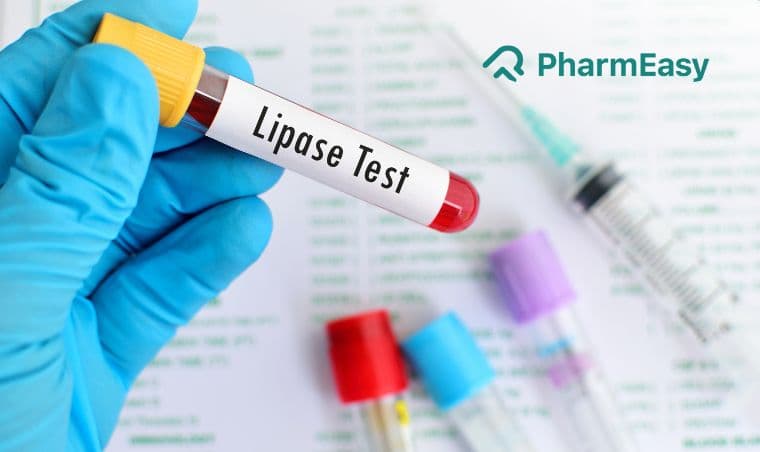
लाइपेज ब्लड टेस्ट (Lipase Blood Test In Hindi): क्या है, खर्च, नॉर्मल रेंज, कैसे होता है, क्यों और कब करना चाहिए?
Meena, 45, a homemaker from Jaipur, experienced a sudden, intense pain in her upper abdomen that extended to her back. She also felt queasy and developed a fever. Concerned, her family took her to the hospital.
The physician, suspecting an issue with her pancreas, requested a lipase blood examination. This routine yet vital diagnostic method helps pinpoint problems with the pancreas, an essential organ situated behind the stomach.
The pancreas performs two primary roles: it generates digestive substances like lipase and amylase, and it produces hormones such as insulin and glucagon to control sugar in the blood. When the pancreas becomes inflamed or damaged — a condition called pancreatitis — these digestive aids can escape into the circulatory system, leading to higher lipase readings.
So, what does this signify for you? Grasping the purpose of this test is fundamental to accurately identifying and effectively managing your pancreatic well-being.
लाइपेज ब्लड टेस्ट क्या है? (What is a Lipase Blood Test?)
A lipase blood examination quantifies the quantity of lipase enzyme circulating in your system. Lipase is predominantly manufactured by the pancreas. It plays a crucial part in processing fats, breaking them into smaller components that the intestines can then absorb.
Most people overlook this completely.
Typically, only modest quantities of lipase are present in the blood. However, when the pancreas sustains injury or becomes inflamed, it releases greater amounts of lipase into the bloodstream.
Worth knowing: This enzyme is indispensable for fat metabolism. Without sufficient lipase, your body would struggle to absorb vital fatty acids and fat-soluble vitamins (A, D, E, and K).
The reality is, ailments affecting the pancreas can be severe. For instance, acute pancreatitis affects approximately 30 out of every 100,000 adults annually in India, according to recent wellness surveys. Early detection through examinations like lipase is of utmost importance.
लाइपेज टेस्ट क्यों किया जाता है? (Why is a Lipase Test Done?)
Physicians primarily order a lipase examination to aid in the diagnosis and monitoring of pancreatic conditions, most notably pancreatitis. But why does this occur?
Inflammation of the pancreas can be instigated by a variety of elements, including gallstones, excessive alcohol intake, certain medications, infections, and trauma to the abdomen. Elevated lipase readings are a strong indicator of damage to the pancreas.
Aside from pancreatitis, a lipase examination can also assist in identifying:
- Pancreatic cancer: While not a definitive diagnostic marker for cancer by itself, substantially increased lipase readings can sometimes be associated with growths in the pancreas.
- Cystic fibrosis: This inherited disorder can impact the pancreas, resulting in a shortage of essential substances.
- Blockages in the pancreatic duct: Conditions like gallstones can impede the passage of pancreatic substances.
- Other abdominal conditions: Occasionally, issues affecting nearby organs can indirectly influence lipase readings.
Consider it this way: If your car's engine warning light illuminates, you take it to a mechanic. Similarly, if you experience symptoms pointing to pancreatic distress, the lipase test serves as a diagnostic signal for your physician.
लाइपेज टेस्ट कब करवाना चाहिए? (When Should a Lipase Test Be Done?)
You should seek medical advice for a lipase examination if you exhibit manifestations that suggest pancreatic issues. These commonly include:
- Severe pain in the upper abdomen, frequently radiating to the back
- Nausea and vomiting
- Fever
- Loss of appetite
- Tenderness in the abdominal region
- Jaundice (a yellowing of the skin and eyes) in certain instances
Practically speaking, if you have a history of gallstones or consume alcohol heavily, your physician might suggest routine surveillance even without acute signs, particularly if you reside in areas where celebratory diets can be rich and heavy, potentially taxing the digestive system.
Meena's indicators were characteristic indications of acute pancreatitis. The speed of her diagnosis, facilitated by the lipase test, permitted prompt treatment and averted further complications.
लाइपेज ब्लड टेस्ट की नॉर्मल रेंज क्या है? (What is the Normal Range for a Lipase Test?)
The typical range for lipase readings can differ slightly based on the laboratory and the specific analytical method employed. Nevertheless, a standard reference range for adults generally falls between 0 and 160 units per liter (U/L).
The numbers don't lie.
Some laboratories might consider a range up to 60 U/L as typical. It is crucial to discuss your results with your physician, as they will take into account your personal health status and other diagnostic findings.
For example, a lipase reading exceeding three times the upper limit of normal (e.g., over 500 U/L) strongly suggests acute pancreatitis. Readings can sometimes climb into the thousands of units per liter in severe circumstances. Over 101 million Indians have diabetes (ICMR, 2023), a issue sometimes linked to the state of the pancreas, emphasizing the importance of understanding related examinations.
A consistently elevated lipase reading, even if not exceptionally high, might point to chronic pancreatitis or other ongoing pancreatic concerns. The World Health Organization (WHO) highlights the significance of regular medical check-ups for early disease detection.
लाइपेज ब्लड टेस्ट कैसे किया जाता है? (How is a Lipase Blood Test Performed?)
The lipase blood examination is a simple procedure. It involves a routine blood withdrawal, typically from a vein in your arm. Here's what you can anticipate:
- Preparation: Your physician will guide you on any specific preparations required. Frequently, you might be instructed to abstain from food and drink (except water) for 8-12 hours before the test, particularly if other examinations like amylase or liver function tests are being conducted simultaneously.
- Blood Draw: A medical professional will cleanse a small area of your skin, usually on the inner side of your elbow. They will then insert a sterile needle into a vein and collect a small volume of blood into a specimen container.
- Post-Procedure: Once the blood sample is gathered, the needle is withdrawn, and a small dressing is applied to the puncture site. You might experience a minor prick or sting during the blood collection.
The collected blood sample is then forwarded to a laboratory for analysis. The results are usually obtainable within one to two days. The entire process is swift, generally taking under five minutes.
Worth knowing: Abstaining from food is often advised to ensure precise outcomes, as food consumption can sometimes affect enzyme readings. Adhering precisely to your physician's instructions is vital.
लाइपेज टेस्ट का खर्च (Cost of Lipase Test)
The expense of a lipase blood examination in India can fluctuate considerably based on several elements. These include the city where you are located, the specific diagnostic facility you choose, and whether it's part of a broader wellness package or a standalone test. Generally, the price can range from approximately ₹300 to ₹800.
The numbers don't lie.
Diagnostic centers connected with major hospitals, such as those associated with AIIMS or other government medical institutions, might offer examinations at reduced rates. However, private facilities or those in major urban centers like Delhi, Mumbai, or Bengaluru may charge at the higher end of the scale.
Some extensive wellness assessment packages incorporate a lipase test, which could offer better value if you are due for a complete screening.
Practically speaking, it is recommended to contact a few local diagnostic centers or check their websites for accurate pricing before scheduling your examination. Numerous platforms now provide online booking and occasional discounts.
लाइपेज टेस्ट के परिणाम और उनका महत्व (Lipase Test Results and Their Significance)
Interpreting lipase test outcomes necessitates medical proficiency. A heightened lipase reading is the primary indicator of pancreatic inflammation or damage. The degree of increase often corresponds to the seriousness of the ailment.
- High Readings: Substantially elevated lipase readings (often exceeding three times the upper limit of normal) strongly suggest acute pancreatitis. The International Diabetes Federation (IDF) observes that pancreatitis can sometimes lead to diabetes, highlighting the interconnectedness of these conditions.
- Moderately High Readings: Readings that are slightly elevated might suggest milder pancreatitis, chronic pancreatitis, or issues with other abdominal organs.
- Low Readings: Very low lipase readings are less frequent but can sometimes indicate pancreatic insufficiency, where the pancreas fails to produce adequate digestive substances. This can result in impaired absorption and nutritional deficiencies.
Think about it this way: A lipase reading is akin to a warning signal. A faint flicker might signify a minor issue, whereas a continuous, loud alarm denotes a significant problem requiring immediate attention.
It is imperative to remember that other conditions can also influence lipase readings. For instance, kidney impairment can sometimes lead to increased lipase values because the kidneys help clear lipase from the blood.
Consequently, physicians consistently consider the complete clinical context, including your signs, medical history, and other laboratory findings, before arriving at a diagnosis.
लाइपेज टेस्ट से जुड़ी सावधानियां (Precautions for Lipase Test)
While the lipase blood examination is generally safe, a few precautions can aid ensure accurate outcomes and minimize discomfort:
- Inform your doctor: Always apprise your physician of any medications you are currently taking (prescription, over-the-counter, or herbal preparations), as certain ones can interfere with test results.
- Follow fasting instructions: Strictly adhere to the dietary restrictions provided by your healthcare provider. Consuming food or drink (other than water) when instructed not to can distort the results.
- Hydration: Drink ample water before the test unless advised otherwise. This aids in making the vein more accessible for the blood draw.
- Inform about allergies: If you have any sensitivities, particularly to latex or adhesives, notify the phlebotomist before the procedure.
The reality is, being prepared and well-informed can significantly contribute to a smooth and accurate testing experience. If you experience lightheadedness or feel faint after the blood draw, inform the healthcare provider immediately.
That alone changes everything.
निष्कर्ष: पैंक्रियाज के स्वास्थ्य के लिए एक महत्वपूर्ण जांच (Conclusion: An Important Check for Pancreatic Health)
The lipase blood examination is an essential instrument for diagnosing and managing pancreatic disorders, especially pancreatitis. Its capacity to detect elevated enzyme readings provides critical insights into the well-being of this vital organ.
Prompt identification, often facilitated by this test, allows for timely intervention, potentially averting severe complications and enhancing patient prognoses. Regular medical evaluations, particularly for individuals with risk factors such as a history of gallstones, heavy alcohol consumption, or certain genetic predispositions, are strongly advised.
Always seek guidance from a qualified medical professional before making any health-related decisions.
Key Takeaways:
- A lipase blood examination measures the amount of lipase enzyme, primarily produced by the pancreas, which assists in fat digestion.
- Increased lipase readings are a key indicator of pancreatic inflammation (pancreatitis).
- The typical range for lipase is generally 0-160 U/L, but varies by lab; readings over three times the upper limit suggest acute pancreatitis.
- The test involves a simple blood withdrawal and may necessitate abstaining from food for 8-12 hours beforehand.
- The cost in India ranges from ₹300-₹800, depending on the location and laboratory.