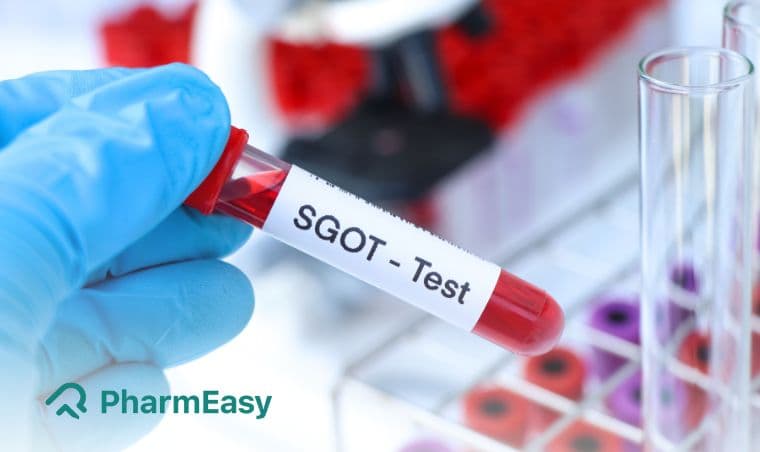
एसजीओटी टेस्ट (SGOT Test in Hindi): क्या है, खर्च, नॉर्मल रेंज, कैसे होता है, क्यों और कब
Meena, 45, a homemaker from Jaipur, noticed a persistent fatigue and a slight yellowing of her eyes. Her family physician, concerned, suggested a battery of examinations, including one called SGOT.
Have you ever pondered the reason? This common examination of your circulatory fluid, also known as AST (Aspartate Aminotransferase), is a crucial indicator of hepatic well-being and can signal issues in other organs too.
Understanding your physical state involves knowing about these diagnostic instruments. The reality is, many Indians experience hepatic-related issues, often silently.
Over 101 million Indians have diabetes (ICMR, 2023), a condition that significantly impacts hepatic well-being, increasing the risk of Non-Alcoholic Fatty Liver Disease (NAFLD). Infections like Hepatitis B and C, and lifestyle factors such as excessive alcohol consumption and unhealthy diets, contribute to a growing burden of hepatic diseases across the country.
एसजीओटी (SGOT) टेस्ट क्या है?
SGOT, or Serum Glutamic Oxaloacetic Transaminase, is an enzyme found predominantly in the liver, heart, skeletal muscles, kidneys, brain, and red blood cells. When these tissues are damaged, SGOT is released into the bloodstream, leading to elevated readings. Think about it this way: it's like a distress signal from your cells.
The SGOT examination measures the amount of this enzyme circulating in your circulatory fluid. It is often performed as part of a Hepatic Function Examination (LFT) panel, which provides a broader picture of your liver's disorder. The International Diabetes Federation (IDF) highlights that diabetes and hepatic ailments often coexist, making examinations like SGOT vital for managing overall physical well-being.
The numbers don't lie.
एसजीओटी टेस्ट क्यों किया जाता है?
A medical practitioner may order an SGOT examination for several reasons. Primarily, it helps diagnose hepatic ailments such as hepatitis (inflammation of the liver), cirrhosis (scarring of the liver), and hepatic cancer. Early detection is key, especially given that hepatic ailments can progress silently.
Did you know that Hepatitis B and C infections, which can lead to chronic hepatic disease, affect millions in India? The World Health Organization (WHO) estimates that around 40 million Indians are chronically infected with Hepatitis C. Regular screening, particularly for high-chance individuals, is therefore paramount.
Beyond hepatic issues, elevated SGOT readings can also indicate damage to other organs. Cardiac arrests, for instance, cause a significant release of SGOT from damaged cardiac muscle. Muscular injuries, pancreatitis (inflammation of the pancreas), and certain prescriptions can also influence SGOT readings.
It's a versatile marker, offering clues to various underlying conditions. Honestly, understanding these connections empowers patients to take proactive steps towards their well-being.
एसजीओटी टेस्ट के लिए नॉर्मल रेंज क्या है?
The typical range for SGOT readings can vary slightly between laboratories due to differences in examination methods and units of measurement. However, generally speaking, a typical SGOT reading for adults is usually between 5 to 40 units per liter (U/L) of serum. For children, the typical range might be slightly higher. It's crucial to remember that these are reference ranges, and a single reading outside this range doesn't automatically mean a serious problem.
Here's where it gets interesting.
Your physician will interpret your results in the context of your overall physical issue, medical history, and other examination findings. Have you ever wondered why your physician emphasizes the complete picture? It's because isolated numbers rarely tell the whole story.
Factors like age, sex, and even physical activity can influence SGOT readings. For example, strenuous exercise shortly before a circulatory fluid draw might temporarily elevate SGOT.
The Lancet has published studies indicating fluctuations in enzyme readings based on various physiological states. Therefore, providing your physician with complete information about your lifestyle and recent activities is essential for an accurate diagnosis.
एसजीओटी लेवल कब बढ़ा हुआ माना जाता है?
An SGOT reading above the typical range is considered elevated. Mild elevations might be caused by factors like strenuous exercise, certain prescriptions (such as statins, some antibiotics, and pain relievers), or even a heavy meal. However, significantly high SGOT readings often point towards more serious conditions.
For example, readings that are 10 times the upper limit of typical can strongly suggest acute viral hepatitis. Cirrhosis or hepatic cancer might present with moderately elevated readings, while readings 20-30 times above typical could indicate drug-induced hepatic injury or severe viral hepatitis. The Indian Council of Medical Research (ICMR) consistently tracks the prevalence of various diseases, underscoring the importance of regular physical well-being check-ups.
That's the part worth remembering.
What should you actually do if your SGOT readings are high? The immediate step is to consult your physician. They will likely order further examinations to pinpoint the cause.
These might include other hepatic function examinations (like SGPT/ALT, ALP, Bilirubin), viral marker examinations, ultrasound of the abdomen, or even a hepatic biopsy in some cases. Practically speaking, this systematic approach ensures that the root cause is identified and addressed promptly.
एसजीओटी टेस्ट कैसे किया जाता है?
The SGOT examination is a simple circulatory fluid examination. A healthcare professional will draw a small amount of circulatory fluid from a vein in your arm, usually using a sterile needle. The sample is then sent to a laboratory for analysis.
The procedure is quick, typically taking only a few minutes. You don't need to do anything special to prepare for the examination, although your physician might ask you to fast (avoid food and drinks other than water) for a certain period before the examination, especially if it's part of a broader LFT panel. This fasting requirement helps ensure the accuracy of other related examinations.
After the circulatory fluid draw, you might experience a slight discomfort or bruising at the puncture site, but this is usually temporary. The results are typically available within a day or two.
The ease and speed of this examination make it an accessible diagnostic tool for millions across India, from bustling metros to remote villages. Think about it this way: a simple circulatory fluid draw can unlock vital physical well-being information.
That alone changes everything.
एसजीओटी टेस्ट का खर्च कितना होता है?
The cost of an SGOT examination in India can vary depending on several factors, including the city, the diagnostic laboratory chosen, and whether it's part of a package or a standalone examination. Generally, the price for a single SGOT examination can range from approximately ₹150 to ₹400.
However, it's more usual for SGOT to be included in a complete Hepatic Function Examination (LFT) panel, which usually costs between ₹800 and ₹2000. This panel typically includes examinations like SGPT (ALT), ALP, Bilirubin (total and direct), GGT, and Albumin, providing a much more detailed assessment of hepatic well-being.
Many government hospitals and primary physical well-being centres offer these examinations at subsidized rates or even free of charge, making healthcare more accessible. Private diagnostic chains like Dr.
Lal PathLabs, Metropolis Healthcare, and Thyrocare have standardized pricing across their centres, but regional variations can still occur. Honestly, the affordability of basic diagnostic examinations like SGOT has improved significantly, but ensuring access in rural areas remains a challenge.
Recovery is rarely linear.
एसजीओटी टेस्ट कब करवाना चाहिए?
You should consider getting an SGOT examination if you experience symptoms suggestive of hepatic problems. These manifestations can include persistent fatigue, unexplained weight loss, abdominal pain or swelling, nausea, vomiting, dark urine, pale stools, and jaundice (yellowing of the skin and eyes).
If you have a history of hepatic disease, Hepatitis B or C, consume alcohol regularly, or are taking prescriptions known to affect the liver, your physician might recommend regular SGOT monitoring. The festive season in India often involves dietary changes and increased alcohol consumption, which can put extra strain on the liver, making timely check-ups even more important during these periods.
Individuals with diabetes or other metabolic conditions are also at higher danger for hepatic issues like NAFLD. Given that diabetes affects over 98 million people in India (as per ICMR data), routine screening is often advised. On top of that,, if you have been exposed to someone with viral hepatitis, your physician might suggest testing.
What should you actually do? If you have any of these concerns or signs, don't delay in seeking medical advice. Early intervention is always the best approach to managing physical well-being conditions effectively.
That alone changes everything.
एसजीओटी टेस्ट से जुड़ी महत्वपूर्ण बातें
- SGOT (AST) is an enzyme found in the liver, heart, and muscles.
- Elevated SGOT readings can indicate damage to these organs, particularly the liver.
- Typical SGOT range is 5-40 U/L, but varies by lab.
- widespread causes of elevated SGOT include hepatitis, cirrhosis, cardiac arrest, and certain prescriptions.
- The examination is a simple circulatory fluid draw and is often part of a Hepatic Function Examination (LFT) panel.
Always consult a qualified physician before making any medical decisions.