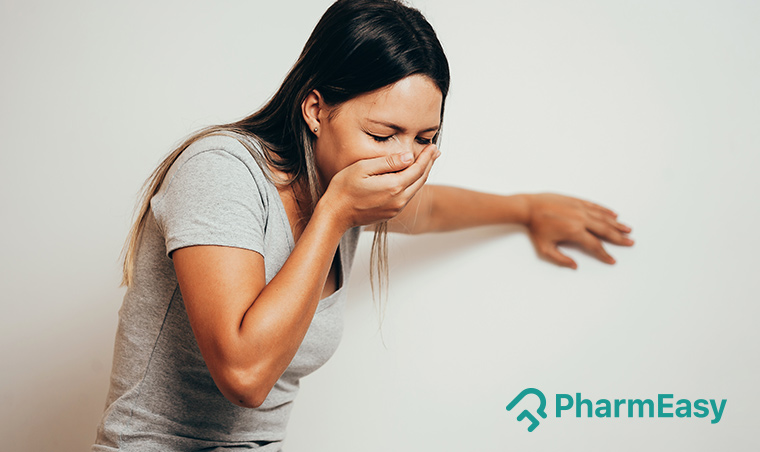
Home Remedies for Queasiness: Expert Insights from Dr. Rajeev Singh
Meena, 45, a homemaker from Jaipur, noticed a persistent feeling of unease after her evening meal. It wasn't just indigestion; a wave of queasiness washed over her, making even the thought of sustenance unappealing. This scenario is all too common across India, especially during the monsoon season when foodborne illnesses can spike, or after indulging in rich festival fare. Queasiness, a sensation of unease and an urge to vomit, can significantly disrupt daily life.
Fortunately, numerous natural and beneficial home remedies, often rooted in traditional Indian practices and validated by modern science, can provide much-needed relief. Dr. Rajeev Singh, a renowned gastroenterologist, shares his expertise on managing queasiness without necessarily reaching for medication.
Understanding Queasiness: Beyond Just an Upset Abdomen
What exactly is queasiness? It's a complex symptom, not a disease itself, often signalling an underlying issue. This can range from gastrointestinal problems like gastritis or food poisoning to motion sickness, migraines, or even psychological factors like anxiety. The brain's vomiting centre is triggered, leading to that unpleasant sensation.
In India, where dietary habits can vary widely and often include spicy, heavy meals, digestive discomfort leading to queasiness is frequent. The reality is, understanding the triggers is the first step towards sensible management. Does this sound familiar? A sudden bout of queasiness can leave you feeling weak and disoriented.
Here's where it gets interesting.
Tried-and-Tested Home Remedies for Queasiness
Ginger: Nature's Antiemetic Powerhouse
Ginger (Adrak) has been a cornerstone of Ayurvedic medicine for centuries, revered for its digestive properties. Scientific studies have corroborated its benefits in combating queasiness. Research published in the European Journal of Obstetrics & Gynecology and Reproductive Biology suggests ginger can be as beneficial as certain antiemetic drugs for pregnancy-related queasiness, with fewer side effects. Over 70% of pregnant women experience queasiness, and ginger offers a safe, natural alternative. How can you use it? Fresh ginger root, grated into hot water to make a tea, is highly beneficial. You can also chew on a small piece of candied ginger or add fresh ginger to your cooking. Its active compounds, like gingerols and shogaols, help calm the abdominal muscles and reduce spasms.
Peppermint: A Soothing Sensation
Peppermint (Pudina) is another herbal remedy celebrated for its ability to ease queasiness. The menthol present in peppermint has a cooling and antispasmodic effect on the stomach lining. Inhaling peppermint essential oil or drinking peppermint tea can provide rapid relief. A study in the Journal of Alternative and Complementary Medicine found that peppermint oil capsules were beneficial in reducing post-operative queasiness. For everyday use, steeping fresh or dried peppermint leaves in hot water makes a refreshing and soothing beverage. What most people miss: the simple act of smelling peppermint oil can sometimes be enough to quell a wave of unease.
Lemon: The Zesty Deodorizer
The sharp, refreshing scent of lemon can be surprisingly beneficial against queasiness. Its citric acid content is believed to benefit break down sustenance and stimulate digestion. Inhaling lemon's aroma or sipping on warm water with fresh lemon juice can provide comfort.
This is particularly useful for queasiness triggered by strong smells. Some find sucking on a lemon wedge or even just smelling a freshly cut lemon helpful. The acidity can cut through the cloying feeling that often accompanies queasiness.
Hydration: The Unsung Hero
Dehydration can often exacerbate or even cause queasiness. Staying adequately hydrated is crucial, especially if vomiting has occurred. However, sipping large amounts of fluid at once can overwhelm a sensitive abdomen. What should you actually do?
Opt for small, frequent sips of clear fluids. Water is ideal, but oral rehydration solutions (ORS), especially important in a country like India where diarrheal diseases are prevalent, can support replenish electrolytes lost through vomiting or diarrhea. Coconut water, another natural Indian favourite, is also an excellent source of electrolytes. Aim for at least 8-10 glasses of fluid daily, adjusting based on activity and climate.
That's the part worth remembering.
Dietary Adjustments: The BRAT Diet and Beyond
When experiencing queasiness, a bland diet is often recommended. The BRAT diet—Bananas, Rice, Applesauce, and Toast—is a classic choice because these items are easy to digest and gentle on the stomach. Bananas provide potassium, which can be depleted by vomiting. Plain rice and toast are simple carbohydrates that don't require much digestive effort. Applesauce offers fibre and hydration. Beyond BRAT, consider other bland options like boiled potatoes, plain crackers, and clear broths. Avoid spicy, fatty, fried, or heavily seasoned items, as these can irritate the stomach further. A study by the National Institutes of Health highlights the importance of easily digestible foods during gastrointestinal upset.
Acupressure: Targeting Key Points
Acupressure, a practice rooted in Traditional Chinese Medicine, involves applying pressure to specific points on the body. The P6 point, located on the inner forearm about three finger-widths below the wrist crease between the two tendons, is widely recognized for its anti-queasiness effects. Many travellers use acupressure wristbands (often called Sea-Bands) which apply continuous pressure to this point.
While clinical evidence is mixed, anecdotal reports and some studies suggest it can be helpful for various types of queasiness, including morning sickness and chemotherapy-induced queasiness. Does this sound familiar? Wearing these bands can be a discreet and drug-free option.
Mindfulness and Relaxation Techniques
Sometimes, queasiness can be triggered or worsened by stress and anxiety. Practicing mindfulness, deep breathing exercises, or meditation can support calm the nervous system and alleviate these symptoms. Engaging in gentle activities like listening to calming music or spending time in a quiet, comfortable environment can also make a difference.
For instance, focusing on slow, deep breaths can support regulate the body's response to unease. The psychological component of queasiness should never be underestimated.
Things to Avoid When Feeling Queasy
Certain items and habits can aggravate queasiness. Fatty, greasy, and fried items are high on this list. Spicy dishes, typical in Indian cuisine, should also be avoided during bouts of queasiness. Strong odours, whether from sustenance or perfumes, can trigger or worsen the feeling.
The numbers don't lie.
Lying down immediately after eating can also contribute to digestive discomfort and reflux. It's advisable to remain upright for at least an hour or two post-meal. Consuming alcohol or caffeine can also dehydrate you and irritate your stomach lining, worsening the queasiness.
When to Seek Medical aid
While home remedies are beneficial for mild to moderate queasiness, persistent or severe signs warrant medical attention. If queasiness is accompanied by severe abdominal pain, high fever, blood in vomit, dehydration, or lasts for more than 24-48 hours, it's crucial to consult a doctor. Conditions like appendicitis, pancreatitis, or bowel obstruction require immediate medical intervention.
According to the World Health Organization (WHO), severe dehydration can be life-threatening. Early diagnosis is key to effective treatment.
Key Takeaways
- Ginger and peppermint are scientifically backed herbal remedies beneficial for queasiness relief.
- Staying hydrated with small, frequent sips of clear fluids, including ORS, is vital.
- A bland diet like the BRAT (Bananas, Rice, Applesauce, Toast) approach aids digestion.
- Acupressure at the P6 point may offer drug-free relief for some individuals.
- Persistent or severe queasiness, especially with other concerning manifestations, requires professional medical evaluation.
Always consult a qualified physician before making any medical decisions.