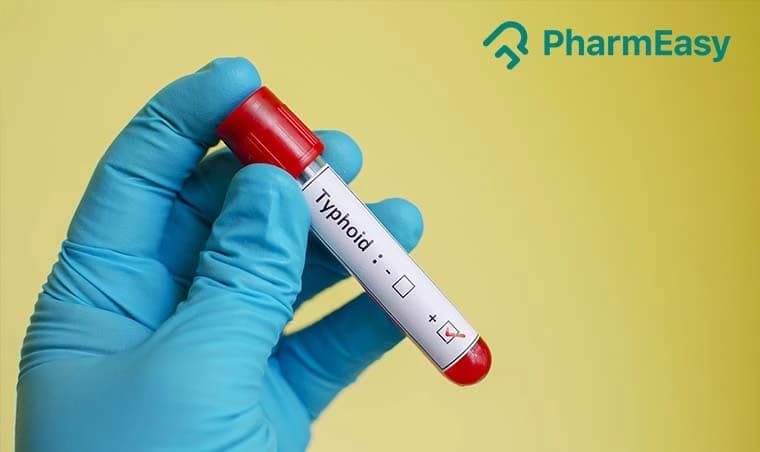
Understanding Typhoid Investigations: A Guide for Indian Patients
Meena, 45, a homemaker from Jaipur, noticed a persistent high temperature that wouldn't break. Accompanying this was a dull headache and a general feeling of malaise. She also experienced a loss of appetite, a common complaint during the monsoon season when water-borne illnesses tend to surge. After a few days, she developed a rash and abdominal pain. Her local doctor suspected a Salmonella Typhi infection and recommended specific investigative procedures.
Typhoid fever, a serious ailment caused by the bacterium Salmonella Typhi, remains a significant public health concern in India. The reality is, with crowded living conditions and sometimes compromised sanitation, the risk of transmission is higher. So what does that mean for you? It means understanding the investigative tools available is crucial for timely and effective treatment. This guide will explore the various typhoid investigations, when you should consider getting one, and what side effects you might expect.
What is a Typhoid Investigation?
A typhoid investigation is a procedure designed to detect the presence of Salmonella Typhi bacteria or antibodies produced by the body in response to the infection. Early and accurate diagnosis is key to preventing complications, which can include intestinal perforation and sepsis. In India, where typhoid is endemic, these investigations are vital. Think about it this way: the investigations act as the first line of defence in confirming the diagnosis and guiding approach strategies.
Types of Typhoid Investigations
Several investigations can help diagnose typhoid fever. Each has its own advantages and limitations, and your doctor will choose the most appropriate one based on your symptoms and the stage of the illness.
1. Blood Culture
The blood culture is considered the gold standard for diagnosing typhoid fever, especially in the early stages (within the first week of illness). This examination involves drawing a small amount of blood, which is then incubated in a laboratory to see if Salmonella Typhi bacteria grow. If the bacteria are present, they will multiply in the culture medium, allowing for identification. Honestly, this is the most definitive examination if done early.
The sensitivity of the blood culture can vary, but it generally ranges from 70% to 90% when performed correctly during the first week of warning signs. As the illness progresses, the likelihood of detecting the bacteria in the blood decreases.
The Indian Council of Medical Research (ICMR) often recommends blood cultures for suspected cases, particularly in regions with a high prevalence of the disease.
2. Bone Marrow Culture
In some challenging cases, particularly if blood cultures are negative but suspicion remains high, a bone marrow culture might be considered. This is a more invasive procedure, but it can detect the bacteria even when they are present in very low numbers.
The bone marrow often harbours the bacteria persistently, making this examination highly sensitive, especially in later stages or in individuals who have undergone antibiotic approach.
3. Stool Examination (Faecal Culture)
As the infection progresses, Salmonella Typhi bacteria are shed in the faeces. A stool culture can detect the bacteria during the second and third weeks of illness. The sensitivity of a stool examination is typically lower than that of a blood culture in the early stages, often ranging from 50% to 70%. However, it becomes more useful as the disease advances. Regular stool examinations are also important for identifying chronic carriers—individuals who continue to shed the bacteria long after recovering from the initial infection. The World Health Organization (WHO) highlights the importance of identifying carriers to curb community spread.
4. Urine Examination
Similar to the stool examination, bacteria can also be detected in the urine, usually from the second week of infection onwards. A urine culture is less invasive than a stool culture and can be a useful supplementary investigative tool.
The numbers don't lie.
Its sensitivity is generally lower than blood or bone marrow cultures but can contribute to the overall diagnostic picture.
5. Serological Examinations (e.g., Widal Test)
The Widal test is perhaps the most commonly known typhoid examination in India, though it is often misunderstood and misused. It detects antibodies (called O and H antigens) that the body produces against Salmonella Typhi. The examination measures the level of these antibodies in the blood serum. It is typically performed from the second week of illness.
However, the Widal test has meaningful limitations. The reality is, false positives can occur due to cross-reactions with other infections or conditions. Conversely, false negatives can arise if the examination is performed too early or too late in the illness, or if the patient has taken antibiotics.
The Indian Journal of Medical Research (IJMR) has published several studies highlighting the variability and potential unreliability of the Widal test when used in isolation. Because of these issues, it's often recommended to use serological examinations in conjunction with clinical manifestations and other laboratory findings, rather than as a sole diagnostic criterion. The prevalence of typhoid antibodies in the general population can also lead to a high baseline titre, making interpretation difficult.
Does this sound familiar? Many people in India rely heavily on the Widal test, sometimes leading to delayed or incorrect intervention. It’s crucial to discuss the examination results with your doctor, who can interpret them in the context of your overall health status.
6. Rapid Diagnostic Examinations (RDTs)
Several rapid diagnostic examinations are available, offering quicker results than traditional cultures. These include examinations like the Typhidot test, which detects antibodies.
While convenient, their accuracy can be variable, and they are often used as screening tools rather than definitive diagnostic methods. Clinical correlation remains paramount.
When Should You Get Investigated for Typhoid?
Prompt medical attention is essential if you experience warning signs suggestive of typhoid fever. In many cases, these warning signs can mimic other febrile illnesses frequent in India, such as dengue or malaria. Therefore, a doctor's evaluation is critical.
Recovery is rarely linear.
frequent indicators to Watch For:
- Persistent high temperature (often gradually increasing over days)
- Headache
- Weakness and fatigue
- Stomach pain
- Loss of appetite
- Constipation or diarrhoea (diarrhoea is more frequent in children)
- Rash (rose spots) – a less usual but characteristic symptom
- Dry cough
If you experience these indicators, especially after travelling to or residing in an area known for typhoid outbreaks, or if you have consumed food or water suspected to be contaminated, seek medical advice immediately. Remember, over 101 million Indians have diabetes (ICMR, 2023), and while this is a different condition, the principle of early diagnosis for better outcomes applies universally across diseases.
So what does that mean for you? It means not delaying a visit to the doctor if you feel unwell with these warning signs.
Early intervention can significantly improve the prognosis and reduce the possibility of severe complications. The Federation of Indian Chambers of Commerce & Industry (FICCI) has also emphasized the need for increased awareness and timely diagnosis of infectious diseases.
The Typhoid Investigation Process
The process usually begins with a consultation with a healthcare professional. Your doctor will inquire about your medical history, recent travel, dietary habits, and the onset and progression of your indicators. A physical examination will follow.
Based on this initial assessment, the doctor will decide which investigative procedures are most appropriate. Samples (blood, stool, or urine) will be collected by trained phlebotomists or technicians.
It sounds simple. It rarely is.
The samples are then sent to a certified laboratory for analysis. The time taken to receive results varies depending on the examination. Blood and stool cultures can take several days (typically 3-7 days) as the bacteria need time to grow. Serological examinations like the Widal test can often provide results within a few hours to a day.
It’s vital to follow up with your doctor to discuss the results and the recommended course of action. Remember, a positive result doesn't necessarily mean you have active typhoid; your doctor will interpret it alongside your clinical picture. For instance, the International Diabetes Federation (IDF) Atlas reports marked diabetes prevalence, illustrating how multiple health conditions require careful, context-specific diagnosis.
Potential Side Effects of Typhoid Investigations
Most typhoid investigations are minimally invasive and carry very few risks. However, some minor side effects can occur.
- Blood Examinations (Culture, Serology): The most widespread side effect is mild pain, bruising, or soreness at the site where the needle was inserted. In rare instances, excessive bleeding or infection at the puncture site can occur, but this is uncommon with proper technique.
- Stool Examination: This examination involves collecting a stool sample. There are generally no physical side effects associated with collecting the sample itself, beyond the inherent discomfort some may feel. Ensuring the sample is free from contamination (like toilet water) is essential for accuracy.
- Urine Examination: Similar to the stool examination, there are no notable physical side effects. The procedure simply involves collecting a urine sample.
- Bone Marrow Aspiration: This is the most invasive procedure and carries slightly higher risks. Side effects can include temporary pain or discomfort at the aspiration site, bruising, and a small possibility of bleeding or infection. However, it is generally a safe procedure when performed by experienced medical professionals.
Honestly, the benefits of accurate diagnosis far outweigh these minimal risks. Early detection and management are crucial for a full recovery and preventing the spread of the disease. Think about it this way: a small pinch for a potentially life-saving diagnosis.
Typhoid Investigations in the Indian Context
In India, typhoid fever is a major public health challenge. Factors like rapid urbanization, population density, and varying levels of sanitation contribute to its prevalence.
Festival diets, often rich and sometimes prepared in less-than-ideal conditions, can also play a role in the spread of foodborne illnesses like typhoid. For instance, enjoying delicious ladoos during Diwali is a cherished tradition, but ensuring food safety becomes paramount during such times.
That's the part worth remembering.
Healthcare providers in India often face challenges in diagnostic accuracy, particularly with the widespread but sometimes unreliable use of the Widal test. Leading institutions like AIIMS (All India Institute of Medical Sciences) advocate for the use of more reliable investigative methods, such as blood cultures, especially when manifestations are severe or atypical.
Public health campaigns often focus on improving sanitation, ensuring safe drinking water, and promoting vaccination as key preventive measures. The Lancet has featured numerous studies on typhoid burden and control strategies in South Asia.
The cost and accessibility of advanced diagnostic examinations can also be a concern for many. However, government initiatives and collaborations with international health organizations aim to boost diagnostic capabilities across the country. Understanding these examinations empowers sufferers to have informed discussions with their doctors.
Key Takeaways
- Blood culture is the most accurate examination for diagnosing typhoid fever, especially in the first week of illness.
- The Widal test detects antibodies but can be unreliable due to false positives and negatives; it should be interpreted cautiously alongside clinical indicators.
- Seek medical attention if you experience persistent fever, headache, stomach pain, and fatigue, particularly in areas with high typhoid prevalence.
- Typhoid investigations are generally safe, with minimal side effects like minor pain or bruising at the blood draw site.
- Early diagnosis and therapy are crucial for preventing serious complications of typhoid fever.
Always consult a qualified physician before making any medical decisions.