

Emergency & Help
24/7 Emergency & General Advisory
🚨 24/7 Medical Emergency
Welcome to Doctar
Join our healthcare community
Free Eye Test
AI powered and calibrated eye test
24/7 Emergency & General Advisory
🚨 24/7 Medical Emergency
Join our healthcare community
Learn practical tips and techniques to manage an overactive gag reflex, making swallowing pills and dental visits easier. Discover immediate relief and long-term desensitization strategies.

Does the thought of swallowing a pill send shivers down your spine? Do you find dental visits an ordeal due to an uncontrollable gagging sensation? You're not alone. A sensitive gag reflex, medically known as the pharyngeal reflex, is a common issue that can make everyday activities feel like a major challenge. This involuntary contraction of your throat muscles, designed to protect you from choking, can sometimes become overly sensitive, triggering a gagging response even with the mildest of stimuli. In India, where traditional remedies and modern medicine often coexist, understanding and managing this reflex is key to improving quality of life and ensuring necessary medical treatments proceed smoothly. Let’s explore what causes an overactive gag reflex and, more importantly, practical strategies you can use to manage it, making life just a little bit easier.
Your gag reflex is a protective mechanism. When something touches the back of your throat, the roof of your mouth, or your tongue, your throat muscles contract. This action helps prevent you from swallowing something harmful or choking. However, for some people, this reflex is hypersensitive. It can be triggered by a wide range of factors, from anxiety and postnasal drip to the simple act of taking medication or undergoing dental work. This hypersensitivity can manifest as anything from mild choking sensations to violent retching and vomiting, significantly impacting daily life.
Several factors can contribute to an overactive gag reflex. It’s often a complex interplay between physical triggers and psychological responses. Understanding these can be the first step towards finding relief.
For instance, imagine a busy mother, Mrs. Sharma, who needs to take a daily medication for her blood pressure. She struggles immensely, often gagging and sometimes even vomiting the pill. This makes her anxious about taking her medication, and she sometimes skips doses, which worries her doctor.
When you're in a situation where gagging is likely, such as needing to swallow a pill or sitting in the dentist's chair, several immediate techniques can help. These are often about distraction or altering the physical sensation.
Swallowing pills is a common hurdle. Here are a couple of methods that have shown success:
This method helps the pill travel down your throat more smoothly and can be effective for many. Studies suggest it works for over 89% of people trying to swallow pills.
Dental professionals are well-aware of the gag reflex and have several strategies:
Some people find relief using acupressure. Two points are often cited:
Applying gentle but firm pressure to these points for a short period may help reduce the gag reflex temporarily.
If your gag reflex significantly interferes with your life, desensitization might be a valuable approach. This involves gradually getting your throat accustomed to touch. It requires patience and consistency.
This process can take time, but many find it highly effective for long-term management.
While self-management techniques can be very helpful, it's important to consult a doctor if:
Your doctor can help identify the root cause and recommend appropriate treatments, which might include lifestyle changes, medication, or referrals to specialists like ENTs (Ear, Nose, and Throat doctors) or dentists experienced in managing gag reflexes.
Yes, absolutely. When you're stressed or anxious, your body releases hormones that can heighten your senses and make you more sensitive to physical stimuli, including those that trigger your gag reflex. Managing stress through relaxation techniques can often help reduce gagging.
Acupressure can provide temporary relief for some individuals, often within minutes of applying pressure to the points. However, its effectiveness varies from person to person, and it's not a permanent solution.
Typically, a sensitive gag reflex itself is not a sign of a serious illness. It's usually a heightened protective response. However, if it's a new symptom or accompanied by other concerning signs like difficulty swallowing food or liquids, or unexplained weight loss, it's important to see a doctor to rule out any underlying conditions.
You generally cannot, nor would you want to, completely eliminate your gag reflex, as it's a vital protective function. However, you can certainly desensitize it and learn to manage it effectively so it doesn't cause distress or interfere with necessary medical care.
You can start with your primary care physician. They can assess your situation and may refer you to a specialist such as an Ear, Nose, and Throat (ENT) doctor, a gastroenterologist (if acid reflux is suspected), or a dentist experienced in managing gag reflexes.
Visit Hospital
Near You
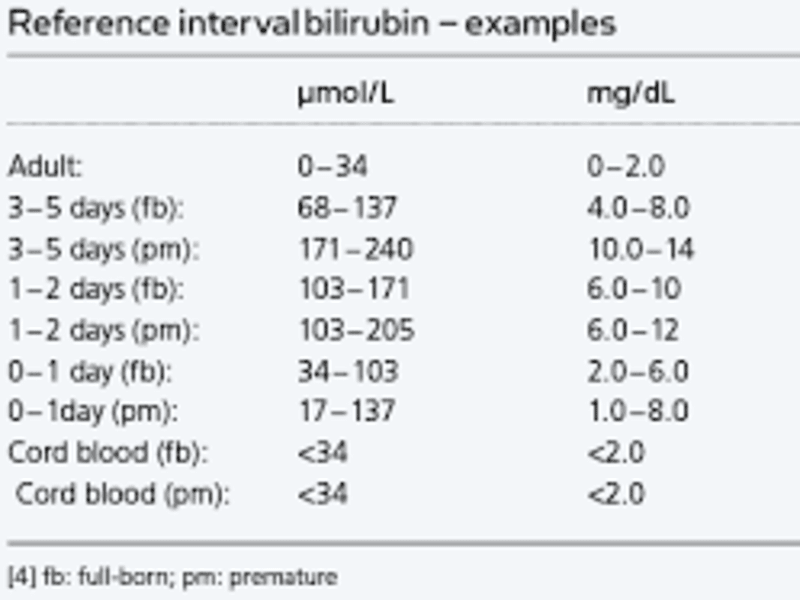
Bilirubin levels help assess liver health. This guide explains normal bilirubin values, types, causes of abnormal levels, symptoms, and when to seek medical advice.
April 11, 2026

Learn how to properly clean and care for your new ear piercing to ensure it heals beautifully and avoid infection. Follow our step-by-step guide for optimal results.
April 1, 2026

Discover practical, science-backed tips to sharpen your reaction time for gaming, sports, and everyday life. Learn how to improve your brain's speed and accuracy.
April 1, 2026