In the world of healthcare, you might hear terms like MD (Medical Doctor) and DO (Doctor of Osteopathic Medicine) used interchangeably, but there are distinct differences in their training and philosophy. An osteopath, or DO, is a fully licensed physician who offers a unique perspective on health and healing. They are trained in all the conventional medical practices you'd expect from an MD, including prescribing medications and performing surgery, but they also bring an additional skill set focused on the body's musculoskeletal system and treating the 'whole person'.
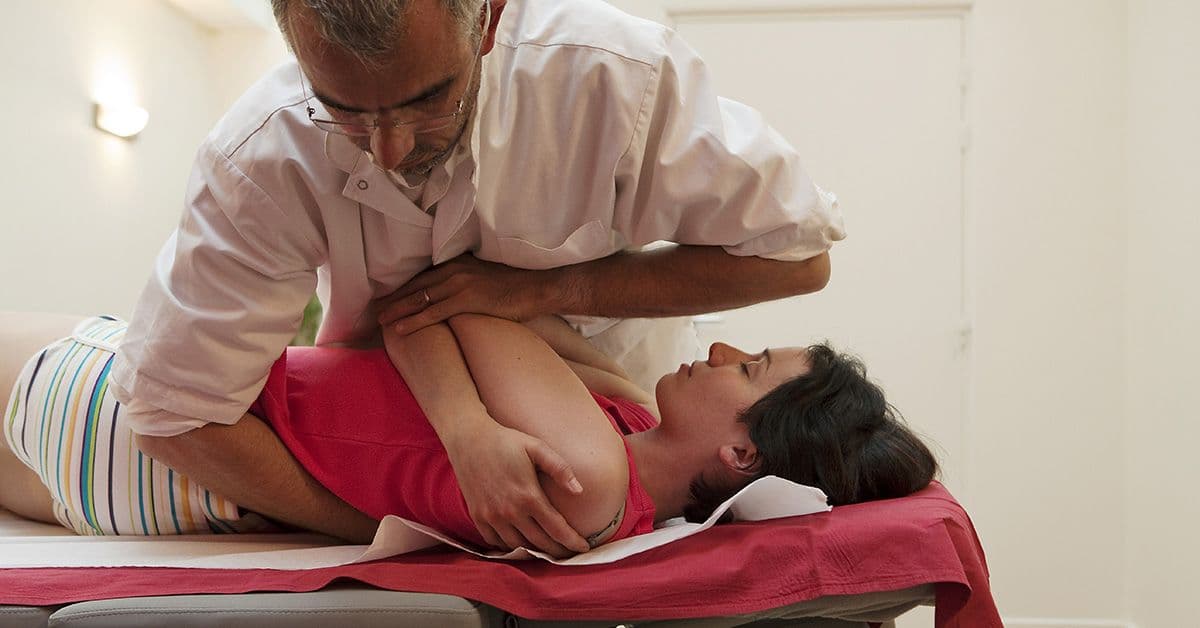
Think of it this way: while an MD might focus on treating a specific symptom or disease, a DO considers how your bones, muscles, nerves, and connective tissues all work together. They believe that the body's structure is intimately linked to its function. When this structure is out of balance, it can lead to pain, illness, and reduced mobility. Osteopathic manipulative medicine (OMM) is a key part of their toolkit, involving hands-on techniques like stretching, massage, and gentle manipulation to restore balance and promote healing.
Who is a Doctor of Osteopathic Medicine (DO)?
A Doctor of Osteopathic Medicine, or osteopath, is a licensed physician with a comprehensive medical education. In India, while the term 'osteopath' might not be as widely recognized as in countries like the US, the principles of holistic care and musculoskeletal health are gaining traction. DOs are trained to diagnose and treat illnesses and injuries. They can practice in any medical specialty, from cardiology to pediatrics to surgery. What sets them apart is their additional training in the musculoskeletal system and their philosophy of treating the entire person, not just the ailment.
This means a DO will look at your lifestyle, your environment, and how your body's structure affects your overall health. They integrate this understanding with evidence-based medical practices. The American Association of Colleges of Osteopathic Medicine highlights that a significant percentage of medical students in the US are pursuing osteopathic medicine, indicating a growing interest in this approach.
What Kind of Training Do Osteopaths Receive?
The journey to becoming a DO is rigorous and mirrors that of an MD, with some key additions. After completing a bachelor's degree, aspiring osteopaths attend four years of osteopathic medical school. Here, they cover all the standard medical curriculum, learning about anatomy, physiology, pharmacology, and disease management. However, they also dedicate significant hours to studying the musculoskeletal system and learning osteopathic manipulative medicine (OMM).
OMM involves hands-on techniques that osteopaths use to diagnose, treat, and prevent illness or injury. These techniques can include:
- Gentle stretching
- Resistance techniques
- Myofascial release
- Articulation (moving joints through their range of motion)
- Muscle energy techniques
Following medical school, DOs complete a residency program, which can last anywhere from one to seven years, depending on their chosen specialty. This is similar to MDs. They must also pass a national licensing exam that covers the same core medical knowledge tested for MDs. Essentially, DOs are fully qualified physicians capable of providing the full spectrum of medical care.
Osteopathic Manipulative Medicine (OMM): The Hands-On Difference
OMM is the hallmark of osteopathic medicine. It's a system of manual diagnosis and treatment that emphasizes the interconnectedness of the body's systems. By carefully feeling for restrictions or imbalances in muscles, bones, and joints, an osteopath can identify potential health issues. They then use specific OMM techniques to address these findings.
The goals of OMM include:
- Relieving pain
- Increasing mobility and range of motion
- Improving circulation of blood and lymphatic fluids
- Promoting the body's natural healing abilities
- Reducing muscle tension
Imagine a patient, Mrs. Sharma, who has been suffering from chronic lower back pain for years. She's tried various pain medications with limited success. When she sees a DO, the doctor not only discusses her pain but also examines her posture, the alignment of her spine, and the tension in her surrounding muscles. Through gentle OMM techniques, the DO might help release tight muscles and improve joint mobility in her back, offering her significant relief and improved function. This holistic, hands-on approach is what distinguishes osteopathic care.
DO vs. MD: What's the Real Difference?
The primary distinction lies in the osteopathic philosophy and the inclusion of OMM in a DO's training. While both MDs and DOs are fully licensed physicians, DOs receive extra training in how the body's structure impacts its health and are skilled in using manual techniques to address these issues. Many MDs are also incorporating complementary and alternative therapies into their practice, but osteopaths are specifically trained in these hands-on methods from the outset.
Here's a quick comparison:
| Feature | MD (Medical Doctor) | DO (Doctor of Osteopathic Medicine) |
|---|
| Licensing | Fully licensed physician | Fully licensed physician |
| Prescribe Medication | Yes | Yes |
| Perform Surgery | Yes | Yes |
| Conventional Medical Training | Yes | Yes |
| Musculoskeletal Training | Limited | Extensive |
| Osteopathic Manipulative Medicine (OMM) | No | Yes |
| Philosophy | Focus on disease and symptoms | Focus on the whole person and the body's structure-function relationship |
Choosing between a DO and an MD often comes down to personal preference and the specific health issue you are facing. If you are looking for a physician who is open to a more hands-on, holistic approach alongside conventional medicine, a DO might be an excellent choice.
DO vs. Naturopathic Doctor (ND): Another Distinction
It's also important to distinguish a DO from a Naturopathic Doctor (ND). While both may emphasize natural approaches to health, their training and scope of practice differ significantly. NDs typically complete a 4-year graduate program in naturopathic medicine and must pass a specific naturopathic licensing exam. Their practice can vary widely by region, with some NDs acting as primary care physicians using natural and homeopathic treatments, while others have more limited roles.
In contrast, DOs are fully licensed physicians with the same broad medical training and licensure as MDs. They can practice in all specialties and are regulated by the same medical boards. While some DOs may incorporate natural remedies, their core training is in conventional Western medicine, augmented by OMM.
When Should You Consider Seeing an Osteopath?
An osteopath can be a valuable healthcare provider for a wide range of conditions. You might consider seeing a DO if you are experiencing:
- Chronic pain, especially back pain, neck pain, or joint pain
- Headaches or migraines
- Sports injuries
- Musculoskeletal issues related to posture or repetitive strain
- Digestive problems
- Respiratory issues
- Certain women's health concerns
- General wellness and preventive care
Many people also seek out osteopaths for a more personalized, whole-body approach to managing chronic conditions or simply to maintain optimal health. If you feel that your healthcare provider isn't fully addressing the interconnectedness of your symptoms, an osteopath could offer a fresh perspective.
The Role of Osteopathy in India
While the term 'osteopath' and the specific designation of 'DO' are not as prevalent in India as in North America, the principles of osteopathic medicine are increasingly influencing healthcare. Many physiotherapists and manual therapists in India practice techniques that align with OMM, focusing on musculoskeletal health and holistic patient care. As awareness grows, more individuals may seek out practitioners who offer this integrated approach to wellness. It's always wise to verify the qualifications and licensing of any healthcare practitioner you consult.
Frequently Asked Questions About Osteopaths
Are osteopaths real doctors?
Yes, Doctors of Osteopathic Medicine (DOs) are fully licensed physicians in countries like the United States, with the same rights and responsibilities as Medical Doctors (MDs). They can prescribe medication, perform surgery, and practice in any medical specialty.
Can an osteopath cure diseases?
DOs treat a wide range of conditions, and their approach can help manage symptoms, improve function, and support the body's natural healing processes. While they may not 'cure' every disease, their comprehensive approach can significantly improve patient outcomes and quality of life.
What is the main difference between a DO and an MD?
The main difference is that DOs receive additional training in the musculoskeletal system and are skilled in using hands-on manipulative techniques (OMM) as part of their treatment approach, in addition to conventional medical treatments.
Is osteopathy the same as physiotherapy?
While both fields focus on physical health and rehabilitation, osteopathy, particularly through OMM, offers a distinct hands-on approach that addresses the body's structure and its impact on overall function. Physiotherapy often involves specific exercises and rehabilitation protocols. Some techniques may overlap, but the underlying philosophy and training differ.