

Free Helpline
We are here to assist you.
Health Advisor
+91-8877772277Available 7 days a week
10:00 AM – 6:00 PM to support you with urgent concerns and guide you toward the right care.

We are here to assist you.
Health Advisor
+91-8877772277Available 7 days a week
10:00 AM – 6:00 PM to support you with urgent concerns and guide you toward the right care.
Learn about vertebral wedging, a type of spinal fracture often linked to osteoporosis. Understand its symptoms, causes, diagnosis, and effective treatment and prevention strategies.

Understanding Vertebral Wedging: A Comprehensive Guide Vertebral wedging is a specific type of vertebral compression fracture where the front portion of a vertebra collapses, resulting in a wedge-like shape. This condition is often associated with osteoporosis, a common ailment, especially among older adults and women. While it can be a concerning diagnosis, understanding its causes, recognizing its symptoms, and knowing the available treatment options can empower individuals to manage their health effectively. This guide aims to provide clear, practical information for Indian readers on vertebral wedging, covering everything from its underlying causes to preventive measures and when to seek medical attention. What is Vertebral Wedging? Vertebral wedging occurs when the anterior (front) part of a vertebra, one of the bones that make up your spine, collapses. This collapse leads to the characteristic wedge shape. Vertebral compression fractures, in general, are quite common, with millions occurring each year, particularly in individuals over the age of 80. While osteoporosis is the leading cause in older adults, younger individuals might experience these fractures due to accidents like motor vehicle collisions or falls. Types of Vertebral Compression Fractures Vertebral wedging is a subtype of vertebral compression fractures. These fractures can be broadly classified into three types: Wedge Fractures: These are the most common type, characterized by the collapse of one side of the vertebra, typically the front, creating a wedge shape. Crush Fractures: In this type, the entire vertebra collapses. Burst Fractures: These are the most severe, where the vertebra fractures in multiple directions. Wedge fractures, while often manageable with conservative treatments, may sometimes necessitate surgical intervention to ensure spinal stability. Symptoms of Vertebral Wedging The primary symptom of vertebral wedging and other compression fractures is often a sudden, sharp back pain. This pain is frequently described as stabbing and can be exacerbated by activities such as walking or standing. It might also worsen when lying on your back. Beyond pain, other symptoms can include: A stooped posture or hunching over, known as kyphosis. A decrease in height over time. A feeling of numbness or tingling in the legs (less common). It's important to note that some individuals, especially those with osteoporosis, might not experience significant pain, or the pain may be mild and attributed to general aging or other back issues. However, even minor fractures can lead to progressive spinal deformity over time. Causes and Risk Factors The most significant underlying cause of vertebral wedging, particularly in older adults, is osteoporosis . Osteoporosis is a condition where bones lose their density and become brittle, making them more susceptible to fractures. It often develops gradually over many years without noticeable symptoms until a fracture occurs. Factors that increase the risk of developing osteoporosis and, consequently, vertebral wedging include: Age: Bone density naturally decreases with age. Gender: Women are at a higher risk, especially after menopause, as estrogen levels drop, accelerating bone loss. Women develop osteoporosis about four times more often than men. Genetics: A family history of osteoporosis or fractures increases your risk. Diet: Insufficient intake of calcium and Vitamin D, essential for bone health. Lifestyle: Lack of physical activity, smoking, and excessive alcohol consumption. Medical Conditions: Certain inflammatory conditions like rheumatoid arthritis or psoriatic arthritis. Medications: Long-term use of corticosteroids (like prednisone) can weaken bones. In younger individuals, trauma from accidents (motor vehicle accidents, falls) is a more common cause of vertebral fractures. Diagnosis of Vertebral Wedging Diagnosing vertebral wedging typically involves a combination of medical history, physical examination, and imaging tests. Your doctor will inquire about your symptoms, medical history, and any risk factors for osteoporosis. A physical exam may reveal tenderness in the spine or signs of spinal deformity. Imaging tests are crucial for confirming the diagnosis and assessing the extent of the fracture. These may include: X-rays: Standard X-rays of the spine can show the wedge shape of the fractured vertebra and identify other spinal abnormalities. CT Scans (Computed Tomography): These provide more detailed cross-sectional images of the spine, helping to visualize the fracture more clearly. MRI Scans (Magnetic Resonance Imaging): MRI is excellent for evaluating the spinal cord and nerves, detecting any associated injuries, and assessing the age of the fracture. DEXA Scans (Dual-energy X-ray Absorptiometry): This test measures bone mineral density and is used to diagnose osteoporosis, which is often the underlying cause. Treatment Options Treatment for vertebral wedging aims to relieve pain, prevent further fractures, and restore mobility. Options range from conservative management to surgical interventions. Conservative Treatment: For many individuals, conservative treatments are effective in managing pain and promoting healing. These may include: Pain Management: Over-the-counter pain relievers like paracetamol or NSAIDs (e.g., ibuprofen) can help manage mild to moderate pain. In some cases, stronger prescription pain medication might be necessary. Rest: Short periods of rest may be advised, but prolonged bed rest is generally discouraged as it can lead to muscle weakness and further bone loss. Bracing: Wearing a back brace can provide support, limit movement, and reduce pain, especially during daily activities. Physical Therapy: A tailored exercise program can help strengthen back muscles, improve posture, and increase flexibility, aiding in recovery and preventing future injuries. Lifestyle Modifications: Ensuring adequate intake of calcium and Vitamin D, quitting smoking, and reducing alcohol consumption are vital for bone health. Minimally Invasive Procedures: If conservative treatments are insufficient, minimally invasive procedures might be considered: Vertebroplasty: In this procedure, a special bone cement is injected into the fractured vertebra
In summary, timely diagnosis, evidence-based treatment, and prevention-focused care improve long-term health outcomes.

Discover the common causes of a bump on your big toe, including bone spurs, bunions, bursitis, corns, and gout. Learn about symptoms, effective treatment options, and prevention strategies for relief.
April 1, 2026
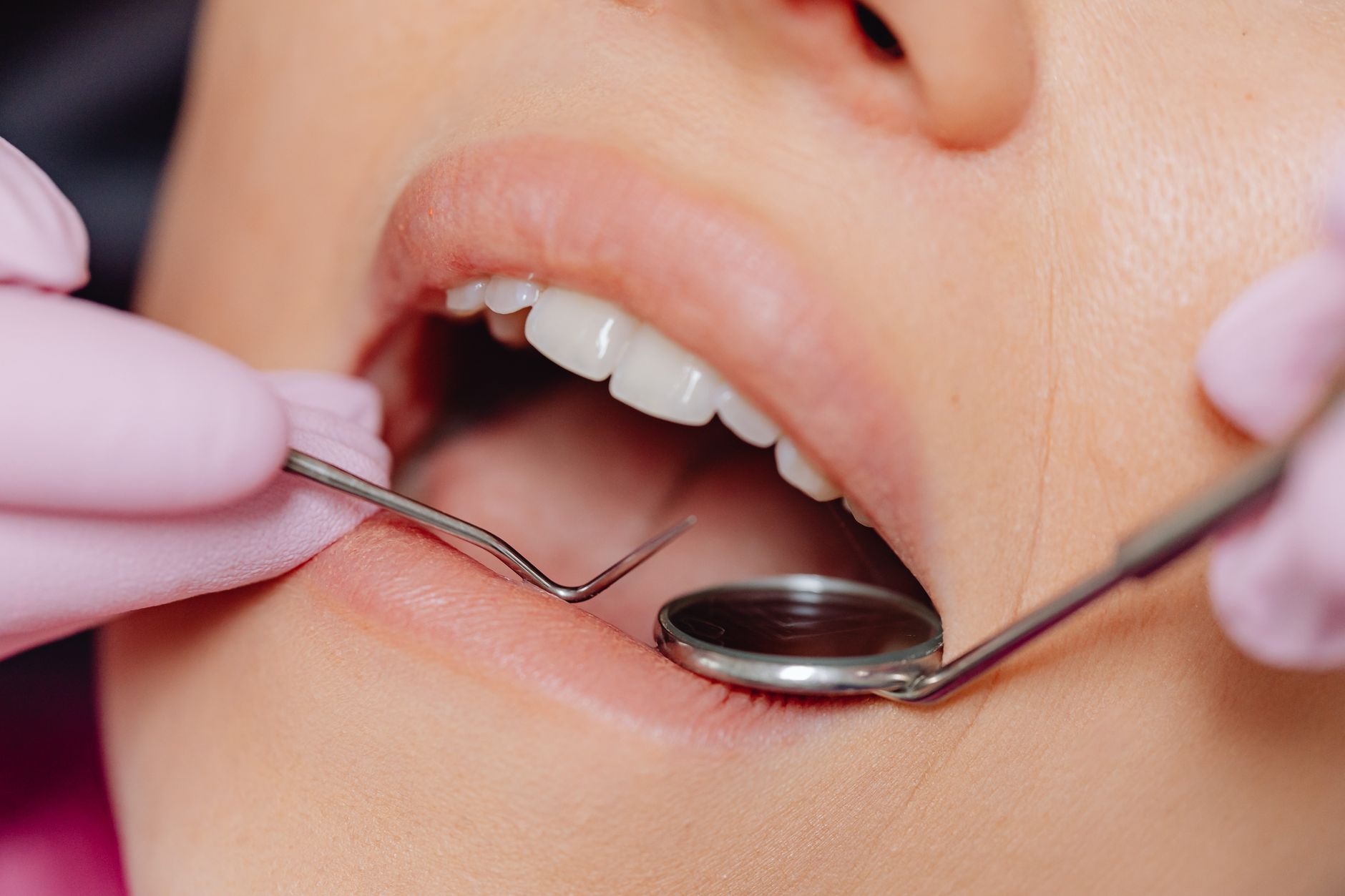
Discover the best options for replacing missing teeth, including dental implants, bridges, and dentures. Learn about pros, cons, costs, and when to see your dentist.
April 1, 2026

Learn about osteoarthritis (OA), a common joint condition. Understand its causes, symptoms, how it's diagnosed, and effective management strategies tailored for the Indian context, including lifestyle changes, medications, and when to consult a doctor.
April 1, 2026