

Free Helpline
We are here to assist you.
Health Advisor
+91-8877772277Available 7 days a week
10:00 AM – 6:00 PM to support you with urgent concerns and guide you toward the right care.

We are here to assist you.
Health Advisor
+91-8877772277Available 7 days a week
10:00 AM – 6:00 PM to support you with urgent concerns and guide you toward the right care.
Learn about the causes, symptoms, diagnosis, and treatment options for scoliosis in adults, including idiopathic and degenerative types. Understand when to seek medical help.

Scoliosis is a medical condition characterized by an abnormal sideways curvature of the spine. Instead of a straight line, the spine develops an 'S' or 'C' shape. While often associated with childhood and adolescence, scoliosis can also affect adults, either as a continuation of an undiagnosed childhood condition or as a new development in adulthood. This condition can impact posture, cause pain, and in some cases, lead to more significant health issues if left unmanaged.
In adults, scoliosis typically falls into two main categories:
This type refers to scoliosis that was present in childhood but was either never diagnosed or has progressed into adulthood. The exact cause of idiopathic scoliosis is often unknown, hence the term 'idiopathic.' It is believed to be influenced by a combination of genetic factors, hormonal changes, or possibly past injuries or illnesses during childhood. More research is needed to fully understand its origins.
This is the more common type of scoliosis in adults and develops due to the natural aging process and wear and tear on the spine. It occurs when the soft tissues of the spine, such as the discs and ligaments, degenerate over time. This degeneration can lead to instability and an abnormal curvature of the spine. Factors that accelerate spinal degeneration, such as strenuous physical labor or smoking, can increase the risk of developing degenerative scoliosis.
While less common in adults, other factors can contribute to scoliosis:
The symptoms of adult scoliosis can vary widely depending on the severity of the curve and the individual. Some adults may have mild or no symptoms, while others experience significant discomfort. Common signs and symptoms include:
Diagnosing scoliosis typically involves a thorough medical history, a physical examination, and imaging tests. During the physical exam, a doctor will assess posture, check for spinal curvature, and evaluate range of motion. Imaging tests are crucial for confirming the diagnosis and determining the severity of the curve:
The treatment plan for adult scoliosis is tailored to the individual, considering the curve's severity, the presence and intensity of symptoms, and the patient's overall health and lifestyle. The goal is to manage pain, prevent progression, and improve quality of life.
Simple changes can make a significant difference:
For pain relief, doctors may recommend:
A physical therapist can design a personalized exercise program to:
Surgery is typically considered for severe cases where scoliosis causes significant pain, affects daily activities, or leads to progressive neurological problems. Surgical options aim to correct the curvature, stabilize the spine, and relieve nerve compression. The specific procedure will depend on the individual's condition.
It is important to seek medical advice if you experience any of the following:
Early diagnosis and appropriate management are key to living well with adult scoliosis. While scoliosis may not affect lifespan, timely treatment is essential to prevent complications and maintain a good quality of life.
This section adds practical context and preventive advice to help readers make informed healthcare decisions. It is important to verify symptoms early, consult qualified doctors, and avoid self-medication for persistent health issues.
Maintaining healthy routines, following prescribed treatment plans, and attending regular checkups can improve outcomes. If symptoms worsen or red-flag signs appear, immediate medical evaluation is recommended.
Track symptoms and duration.
Follow diagnosis and treatment from a licensed practitioner.
Review medication side effects with your doctor.
Seek urgent care for severe warning signs.

Discover the common causes of a bump on your big toe, including bone spurs, bunions, bursitis, corns, and gout. Learn about symptoms, effective treatment options, and prevention strategies for relief.
April 1, 2026
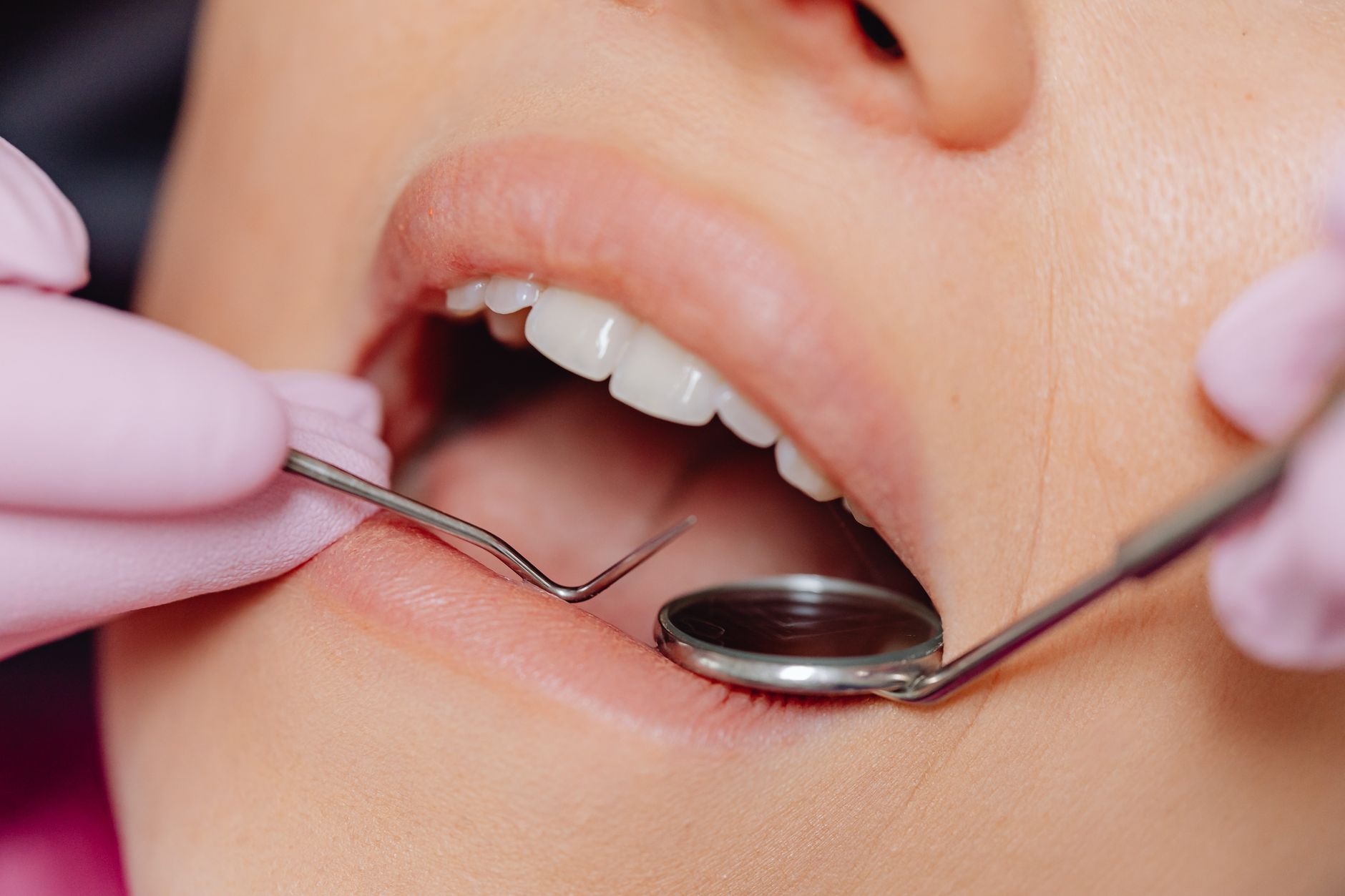
Discover the best options for replacing missing teeth, including dental implants, bridges, and dentures. Learn about pros, cons, costs, and when to see your dentist.
April 1, 2026

Learn about osteoarthritis (OA), a common joint condition. Understand its causes, symptoms, how it's diagnosed, and effective management strategies tailored for the Indian context, including lifestyle changes, medications, and when to consult a doctor.
April 1, 2026