

Free Helpline
We are here to assist you.
Health Advisor
+91-8877772277Available 7 days a week
10:00 AM – 6:00 PM to support you with urgent concerns and guide you toward the right care.

We are here to assist you.
Health Advisor
+91-8877772277Available 7 days a week
10:00 AM – 6:00 PM to support you with urgent concerns and guide you toward the right care.
Learn about rib cartilage fractures (costal cartilage injuries), including their causes, symptoms, diagnosis, treatment options, and recovery times. Understand how to manage pain and when to seek medical help.

Discover the common causes of a bump on your big toe, including bone spurs, bunions, bursitis, corns, and gout. Learn about symptoms, effective treatment options, and prevention strategies for relief.
April 1, 2026
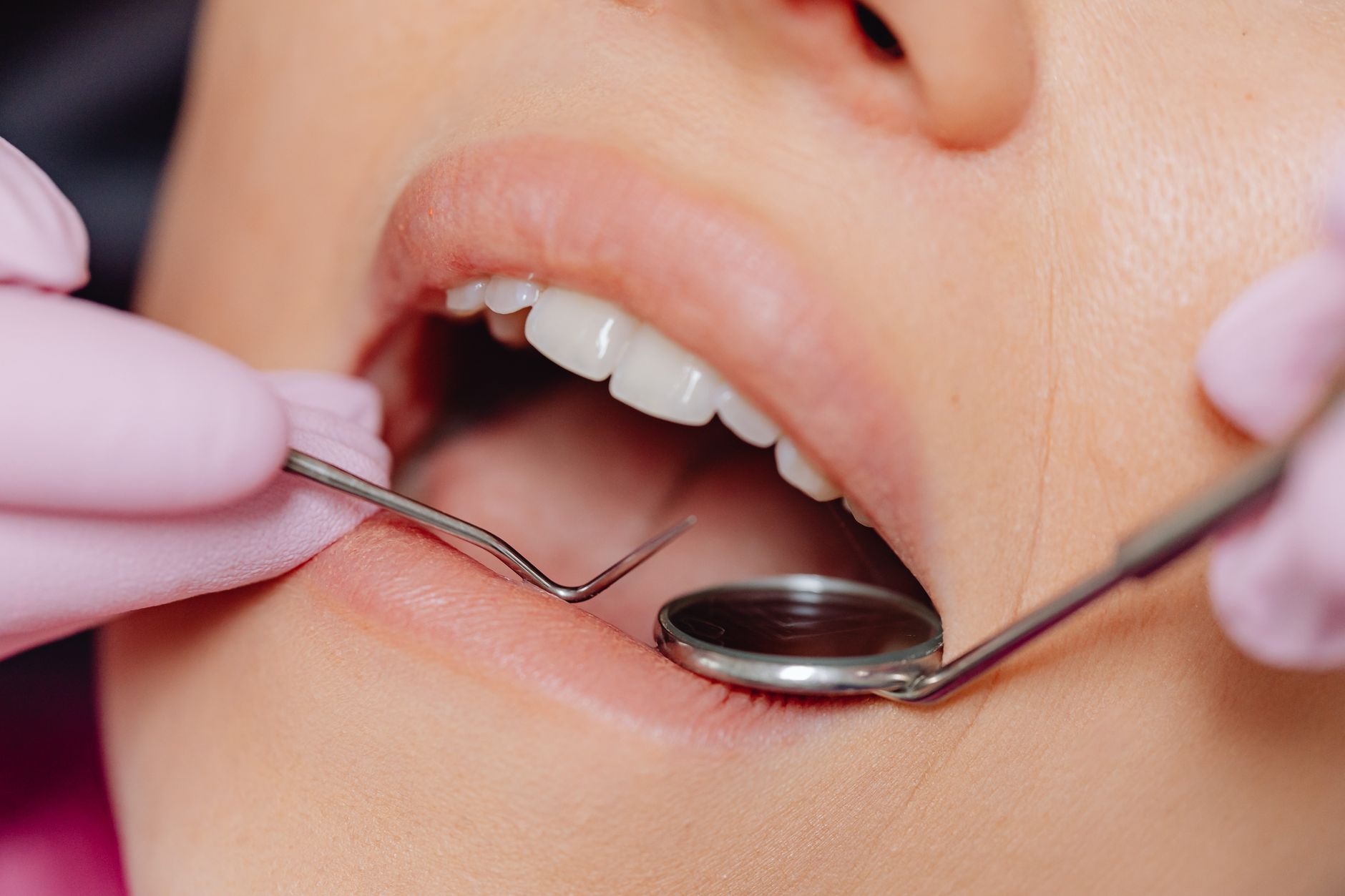
Discover the best options for replacing missing teeth, including dental implants, bridges, and dentures. Learn about pros, cons, costs, and when to see your dentist.
April 1, 2026


What is a Rib Cartilage Fracture? A rib cartilage fracture, also known as a costal cartilage fracture, refers to an injury to the flexible connective tissue that attaches your ribs to your breastbone (sternum). This cartilage, called costal cartilage, plays a crucial role in allowing your ribcage to expand and contract during breathing. When this cartilage is injured, it can lead to significant pain and discomfort, even if the rib bone itself remains intact. In India, where active lifestyles and certain occupational hazards are common, understanding this condition is important for prompt diagnosis and effective management. Symptoms of Rib Cartilage Fracture The primary symptom of a rib cartilage fracture is sharp, localized pain at the site of the injury. This pain can be exacerbated by several actions: Deep Breathing: The expansion of the ribcage during inhalation puts stress on the injured cartilage, leading to increased pain. Physical Pressure: Pressing on the affected area or lying on the injured side can intensify the discomfort. Movement: Twisting, bending, or even coughing can aggravate the pain. Other symptoms may include tenderness, swelling, and sometimes a popping sensation at the time of injury. It's important to note that symptoms can sometimes be subtle, and the pain might be mistaken for other chest conditions. Causes of Rib Cartilage Fracture Rib cartilage fractures can occur due to various types of trauma and strenuous activities. In the Indian context, common causes include: Sports Injuries: Contact sports like cricket, kabaddi, wrestling, and football, as well as high-impact activities, can lead to direct blows to the chest or forceful movements that injure the costal cartilage. Accidents: Road traffic accidents, a significant concern in India, can cause blunt force trauma to the chest, resulting in rib cartilage fractures. Falls from heights, especially during construction work or recreational activities, are also a common cause. Occupational Hazards: Certain professions involving heavy machinery or physical labor may expose individuals to impacts that can damage the rib cage. Chronic Coughing: While less common, prolonged and severe coughing, particularly from respiratory illnesses prevalent in certain seasons, can sometimes strain and injure the costal cartilage. Direct Blows: Any direct impact to the chest area, whether from an accidental fall or a deliberate act, can cause this injury. Diagnosis of Rib Cartilage Fracture Diagnosing a rib cartilage fracture can be challenging because conventional chest X-rays often fail to clearly visualize injuries to the cartilage. Doctors typically rely on a combination of methods: Physical Examination: A thorough physical examination by a healthcare professional is the first step. The doctor will assess the location and nature of the pain, tenderness, and any swelling. Medical History: Understanding the mechanism of injury (e.g., a fall, a blow to the chest) is crucial for diagnosis. Imaging Tests: While X-rays may not be definitive, they can help rule out a fractured rib bone. More advanced imaging techniques are often necessary for accurate diagnosis of cartilage injuries: CT Scan (Computed Tomography): CT scans provide detailed cross-sectional images of the chest and can offer better visualization of the costal cartilage than X-rays. MRI (Magnetic Resonance Imaging): MRI scans are highly effective in detecting soft tissue injuries, including damage to cartilage, and are often considered the gold standard for diagnosing costal cartilage fractures. It's important to differentiate a rib cartilage fracture from a fractured rib bone, although the symptoms and initial management are often similar. A fractured rib is a break in the actual bone, whereas a rib cartilage fracture is an injury to the connecting tissue. Treatment for Rib Cartilage Fracture Treatment for a rib cartilage fracture primarily focuses on pain management and allowing the cartilage to heal naturally. Unlike bone fractures, casting is not an option for rib cartilage injuries. Pain Management: This is the cornerstone of treatment. Over-the-counter pain relievers like paracetamol or ibuprofen can help manage mild to moderate pain. For more severe pain, doctors may prescribe stronger medications, including lidocaine patches or, in some cases, short-term use of narcotic pain relievers. However, the addictive nature of narcotics necessitates caution and medical supervision. Rest and Activity Modification: Avoiding activities that aggravate the pain is essential. This includes strenuous exercise, heavy lifting, and movements involving twisting or bending the torso. A period of rest from sports and demanding physical activities is usually recommended. Ice Application: Applying ice packs to the affected area for 15-20 minutes at a time, several times a day, can help reduce pain and inflammation. Supportive Measures: While not a cast, some doctors might recommend supportive bandages or binders for comfort, though their effectiveness can vary. Surgical Intervention (Rare): In very rare and severe cases, such as significant cartilage displacement or persistent instability, surgical intervention might be considered. This could involve implanting a plate to stabilize the area, but this is not a common course of treatment. Recovery and Healing Time The healing time for a rib cartilage fracture can vary significantly from person to person. Generally, it takes at least 6 weeks for the cartilage to heal sufficiently for the pain to subside considerably. However, in some instances, the recovery period can extend to 6 months or even longer, especially if the injury was severe or if complications arise. During the recovery period, it is crucial to listen to your body and avoid pushing yourself too hard. Gradual return to normal activities is recommended once the pain has significantly decreased and your doctor gives the clearance. Prevention Tips While
In summary, timely diagnosis, evidence-based treatment, and prevention-focused care improve long-term health outcomes.
Learn about osteoarthritis (OA), a common joint condition. Understand its causes, symptoms, how it's diagnosed, and effective management strategies tailored for the Indian context, including lifestyle changes, medications, and when to consult a doctor.
April 1, 2026