

Free Helpline
We are here to assist you.
Health Advisor
+91-8877772277Available 7 days a week
10:00 AM – 6:00 PM to support you with urgent concerns and guide you toward the right care.

We are here to assist you.
Health Advisor
+91-8877772277Available 7 days a week
10:00 AM – 6:00 PM to support you with urgent concerns and guide you toward the right care.
Learn about primary osteoporosis, a condition causing weak and fragile bones due to aging. Discover its types, symptoms, causes, risk factors, diagnosis, and effective management strategies including lifestyle changes and medications.

What is Primary Osteoporosis? Primary osteoporosis is a condition that affects the bones, making them weak, fragile, and more prone to fractures. It's a progressive condition where bone density and mass are gradually lost over time, primarily due to the natural aging process. Unlike secondary osteoporosis, which is caused by other medical conditions or medications, primary osteoporosis is intrinsically linked to aging and hormonal changes. It's the most common form of osteoporosis, and while there's no cure, effective treatments and lifestyle adjustments can significantly slow down bone loss and reduce the risk of debilitating fractures. Types of Primary Osteoporosis Primary osteoporosis is broadly categorized into two main types: Type 1: Postmenopausal Osteoporosis: This type is closely associated with the hormonal changes that occur in women after menopause. As estrogen levels drop significantly, bone loss accelerates. It's estimated that about half of all postmenopausal women may develop osteoporosis. Type 2: Senile Osteoporosis: This type is linked to the aging process itself and typically affects individuals over the age of 70. It's often related to a reduced ability of the body to absorb essential nutrients like calcium and vitamin D, as well as age-related hormonal shifts. Both men and women can be affected by senile osteoporosis, though it's more common in women. Symptoms of Primary Osteoporosis Primary osteoporosis is often referred to as a "silent disease" because it typically presents no noticeable symptoms in its early stages. Many individuals remain unaware they have the condition until a fracture occurs. However, as the disease progresses and bones weaken, certain symptoms may emerge: Back Pain: This can be a significant symptom, often caused by compression fractures in the vertebrae (the bones of the spine). These fractures can occur spontaneously or due to minor stress. Loss of Height: Over time, vertebral fractures can lead to a gradual decrease in height. Stooped Posture (Kyphosis): A hunched or stooped posture, sometimes called a "dowager's hump," can develop due to multiple vertebral fractures. Fractures from Minor Falls or Stress: The most common and often the first sign of osteoporosis is a fracture resulting from a minor fall, a bump, or even everyday activities like coughing or bending over. Common fracture sites include the hip, spine, and wrist. Causes and Risk Factors The primary driver of primary osteoporosis is the natural aging process, which leads to changes in bone structure and density. However, several factors can increase an individual's risk: Age: Bone density naturally decreases with age, making older adults more susceptible. Menopause: The significant drop in estrogen levels after menopause is a major risk factor for postmenopausal osteoporosis in women. Genetics and Ethnicity: Individuals of Asian and European ancestry tend to have a higher risk of developing osteoporosis. A family history of osteoporosis also increases your risk. Lifestyle Factors: Smoking: Tobacco use is detrimental to bone health, reducing bone density and increasing fracture risk. Poor Nutrition: A diet lacking in essential nutrients like calcium and vitamin D is a significant risk factor. These nutrients are crucial for maintaining strong bones. Sedentary Lifestyle: Lack of regular physical activity weakens bones and muscles, increasing the risk of falls and fractures. Excessive Alcohol Consumption: Heavy drinking can interfere with calcium balance and bone formation. Low Body Weight: Being underweight can mean less bone mass to begin with, making you more vulnerable. Certain Medical Conditions: While not the cause of primary osteoporosis, conditions like rheumatoid arthritis, celiac disease, or inflammatory bowel disease can exacerbate bone loss. Certain Medications: Long-term use of corticosteroids (like prednisone) can significantly weaken bones. Diagnosis of Primary Osteoporosis Diagnosing primary osteoporosis typically involves a combination of medical history, physical examination, and specific tests: Bone Mineral Density (BMD) Test: The most common diagnostic tool is a DXA scan (Dual-energy X-ray absorptiometry). This non-invasive test measures bone density at key sites like the hip and spine and is crucial for identifying osteoporosis and assessing fracture risk. Medical History and Physical Exam: Your doctor will review your personal and family medical history, inquire about lifestyle factors, and perform a physical exam to check for signs like loss of height or postural changes. Other Tests: In some cases, blood and urine tests may be ordered to rule out secondary causes of osteoporosis or to assess calcium and vitamin D levels. Treatment and Management While primary osteoporosis cannot be cured, its progression can be managed effectively to reduce fracture risk and improve bone health. Treatment strategies often involve a combination of lifestyle changes and, in some cases, medication: Lifestyle Modifications: Diet: Ensure adequate intake of calcium and vitamin D through diet (dairy products, leafy greens, fortified foods) or supplements if necessary. Exercise: Engage in regular weight-bearing exercises (like walking, jogging, dancing) and muscle-strengthening activities. Balance exercises are also important to prevent falls. Smoking Cessation: Quitting smoking is vital for improving bone health. Moderating Alcohol Intake: Limiting alcohol consumption is recommended. Medications: For individuals with significant bone loss or a high fracture risk, doctors may prescribe medications to slow down bone loss or stimulate bone formation. These can include: Bisphosphonates: These are the most commonly prescribed drugs for osteoporosis. They work by slowing down the rate at which bone is broken down. Examples include alendronate (Fosamax), risedronate (Actonel), and ibandronate (Boniva). Denosumab (Prolia): This is an injectable medication that also slows bone breakdown. Hormone Replacement Therapy (HRT): For postmenopausal women, HRT can help slow bone loss, but its use is often limited due to
In summary, timely diagnosis, evidence-based treatment, and prevention-focused care improve long-term health outcomes.

Discover the common causes of a bump on your big toe, including bone spurs, bunions, bursitis, corns, and gout. Learn about symptoms, effective treatment options, and prevention strategies for relief.
April 1, 2026
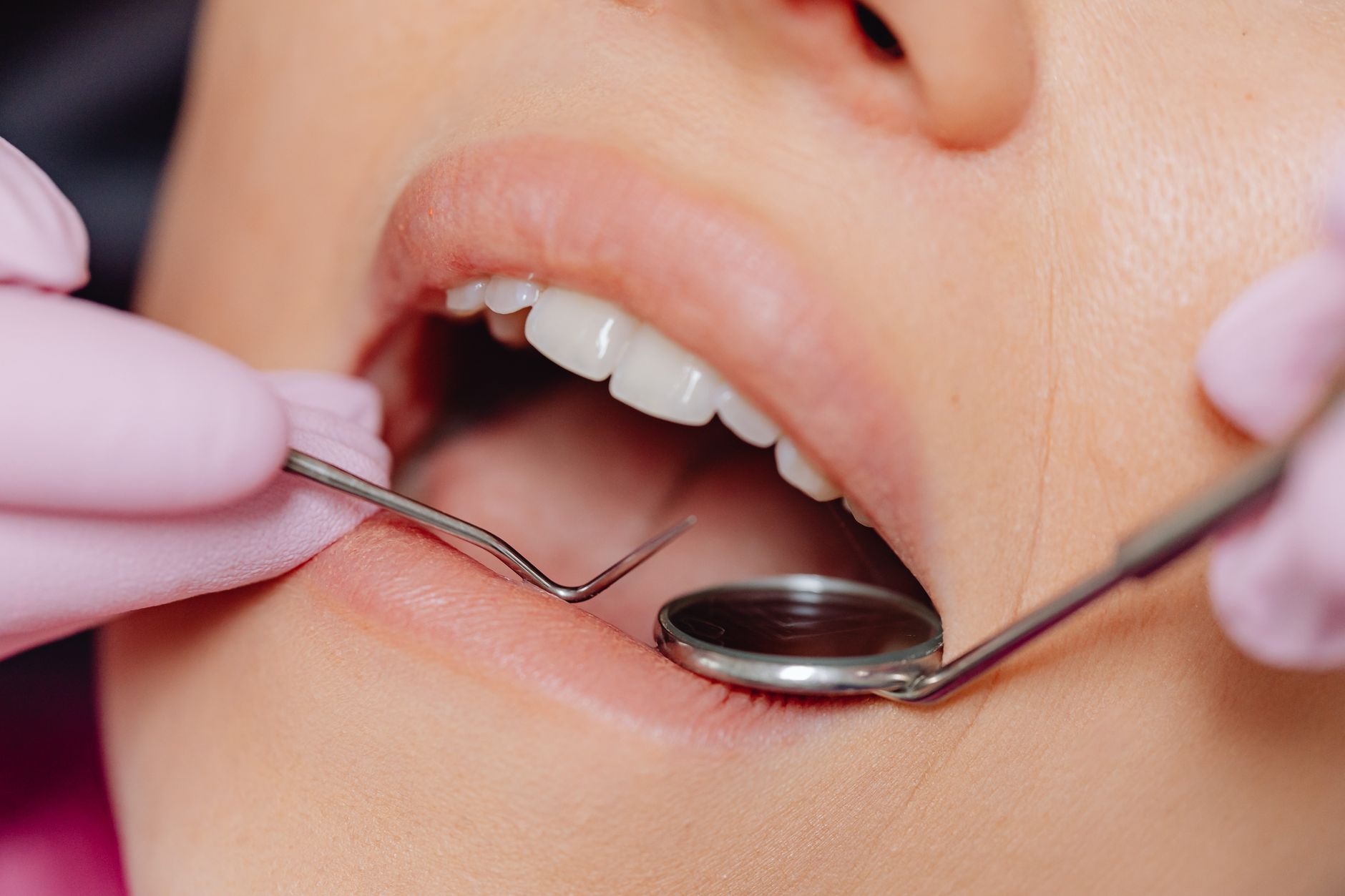
Discover the best options for replacing missing teeth, including dental implants, bridges, and dentures. Learn about pros, cons, costs, and when to see your dentist.
April 1, 2026

Learn about osteoarthritis (OA), a common joint condition. Understand its causes, symptoms, how it's diagnosed, and effective management strategies tailored for the Indian context, including lifestyle changes, medications, and when to consult a doctor.
April 1, 2026